


U.S. Embassy in Beirut Begins Staff Reduction Amid Rising Middle East Tensions
Partial Evacuation Order Issued for American Personnel
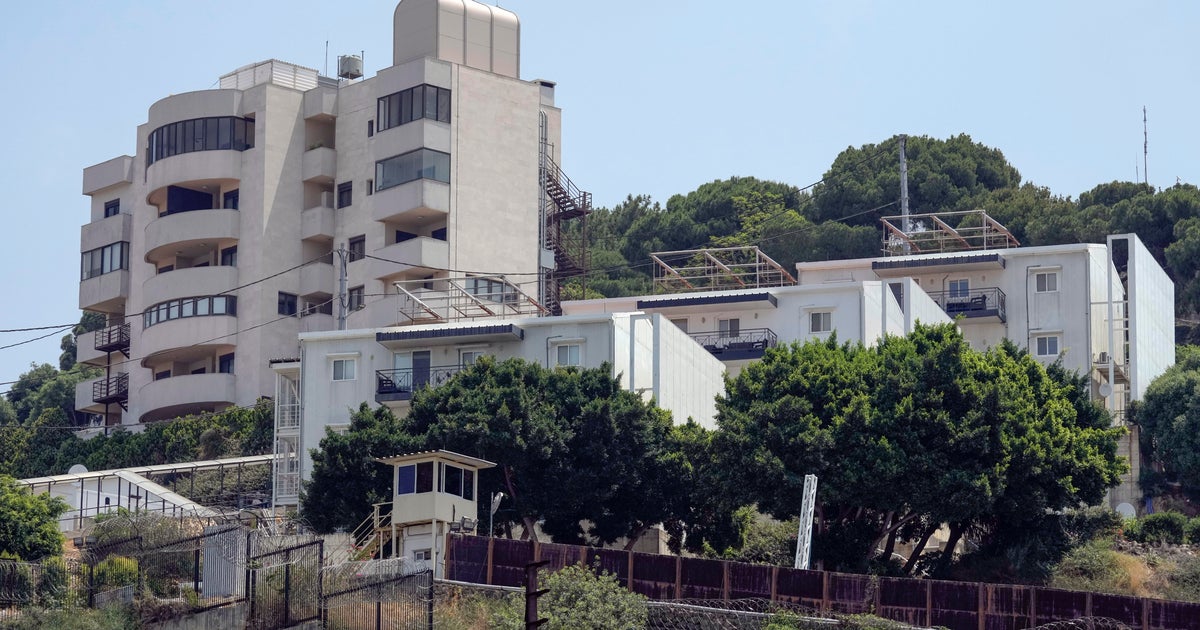
The United States State Department has made the significant decision to order a partial evacuation of personnel from its embassy in Beirut, Lebanon, according to multiple sources with knowledge of the situation who spoke with CBS News. This development marks a notable escalation in security concerns as tensions between the United States and Iran continue to intensify throughout the Middle East region.
The move affects approximately 50 embassy staff members, according to a regional official familiar with the matter. However, a senior State Department official was quick to clarify that this is being treated as a temporary precautionary measure rather than a full-scale evacuation. The order specifically applies to non-emergency U.S. government personnel and their eligible family members, while the embassy itself remains operational with its core staff staying in place to maintain essential diplomatic functions. This careful balance suggests that while the U.S. government is taking the security situation seriously enough to reduce its presence, it’s not yet at the point of considering the situation dire enough to warrant a complete closure of diplomatic operations in Lebanon.
Security Assessments Drive Decision-Making
In explaining the rationale behind this decision, the senior State Department official emphasized the department’s ongoing commitment to monitoring and evaluating security conditions for American personnel abroad. “We continuously assess the security environment, and based on our latest review, we determined it prudent to reduce our footprint to essential personnel,” the official stated. This language reflects the careful diplomatic balancing act that the State Department must perform – taking necessary precautions to protect American lives while avoiding actions that might unnecessarily escalate tensions or signal panic.
The timing of this reduction in embassy staffing is particularly significant given the broader context of deteriorating relations between Washington and Tehran. The region has seen a substantial buildup of U.S. military assets in recent weeks, a clear signal of American preparedness for potential military action. This military positioning, combined with increasingly heated rhetoric from both sides, has created an atmosphere of uncertainty and potential volatility that extends well beyond the borders of Iran itself. Lebanon, with its complex political landscape and the presence of Iranian-backed groups, finds itself caught in the middle of this escalating standoff.
The Hezbollah Factor in Lebanese Stability
One of the key factors making Lebanon a particularly sensitive location in this context is the presence and influence of Hezbollah, the Iranian proxy group that functions both as a militia and a political party within Lebanon. Hezbollah’s dual nature as both a political organization with seats in Lebanon’s parliament and an armed militant group with significant military capabilities makes it a unique player in the region’s security landscape. The organization’s close ties to Iran mean that any escalation between the United States and Iran could quickly spill over into Lebanese territory, potentially putting American diplomatic personnel at risk.
The Lebanese political and security situation has long been complicated by Hezbollah’s presence, which effectively gives Iran a foothold on Israel’s northern border and throughout Lebanese society. For American diplomats working in Beirut, this reality has always presented security challenges, but those challenges become considerably more acute during periods of heightened U.S.-Iran tensions. The State Department’s decision to reduce staffing levels reflects an acknowledgment that the current environment presents elevated risks that warrant a more conservative approach to personnel safety, even as diplomatic work continues.
Diplomatic Efforts Continue Despite Military Threats
The staffing reduction comes at a particularly delicate moment in U.S.-Iran relations, as diplomatic channels remain active even while military options are openly discussed. President Trump stated last week that he was considering the possibility of conducting a limited strike against Iran if the government failed to agree to a deal, a statement that sent ripples throughout the international community and raised serious questions about the potential for military conflict. Such public discussion of military options represents a significant escalation in rhetoric and underscores the seriousness with which the Trump administration is approaching its negotiations with Tehran.
Despite these military threats, diplomatic efforts are continuing, with indirect talks between the United States and Iran scheduled to take place in Geneva on Thursday, according to announcements from the foreign ministers of both Iran and Oman. These talks represent a crucial opportunity for de-escalation, even as both sides maintain their public postures of strength and resolve. CBS News has reported that the director general of the International Atomic Energy Agency will also participate in consultations, suggesting that Iran’s nuclear program remains a central issue in the negotiations. U.S. representatives at these talks are expected to include Envoy Steve Witkoff and Jared Kushner, indicating the high level of importance the administration places on these discussions.
Regional Diplomacy and Warning Signs
Adding another layer to the diplomatic activity in the region, U.S. Secretary of State Marco Rubio is expected to travel to Israel in the coming days, though a State Department official noted that Rubio’s schedule “remains subject to change.” Multiple sources have indicated that Rubio has rescheduled his visit to early next week, a move that could be related to the developing situation with Iran or other regional security concerns. This visit to Israel, America’s closest ally in the Middle East, will likely involve discussions about the Iran situation and coordination of responses to various scenarios that might unfold.
However, the prospects for successful negotiations faced a significant setback when Iran’s foreign ministry spokesperson rejected the possibility of continuing talks if any military action were taken against Iran. On Monday, spokesperson Esmail Baghaei posed a rhetorical question that captured Iran’s position: “Does it make sense that they strike against us and we keep negotiating with them?” This statement effectively draws a red line for Iranian participation in diplomatic processes, making clear that any U.S. military action, regardless of how “limited” it might be characterized, would likely end the current diplomatic track. This creates a crucial decision point for the Trump administration as it weighs its options – pursue the diplomatic path with its uncertainties and potential for prolonged negotiations, or take military action with the knowledge that it would close off the current opportunities for a negotiated settlement. The partial evacuation of embassy personnel in Beirut serves as a visible reminder of the real-world consequences and risks that accompany this high-stakes diplomatic and military chess game playing out across the Middle East, affecting not just the principal parties but also neighboring countries and American personnel serving throughout the region.