
Sri Lanka Navigates Diplomatic Waters as Iranian Naval Vessel Seeks Safe Harbor
A Tense Rescue Operation Unfolds in the Indian Ocean
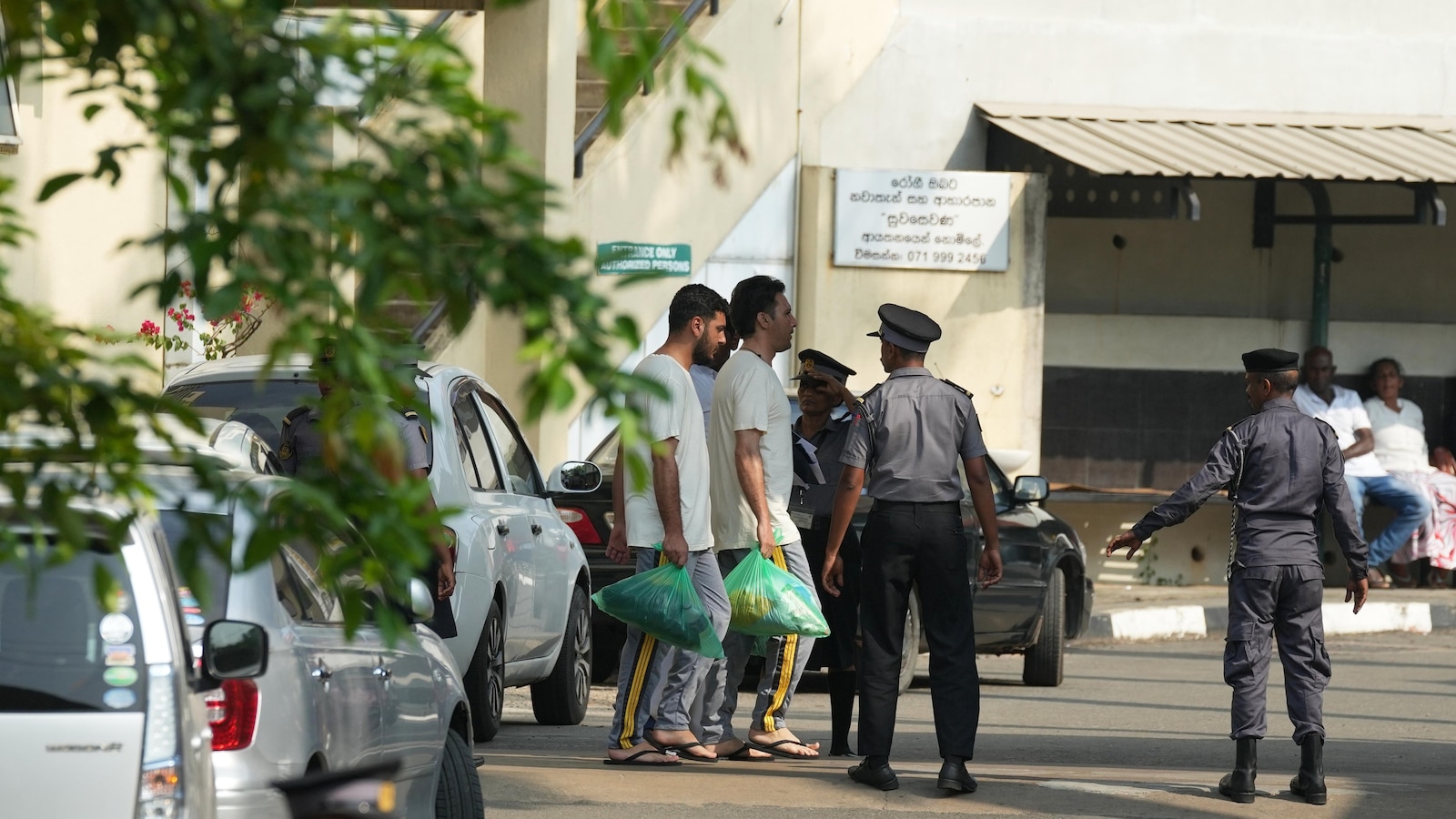
In a dramatic development that highlights the increasingly complex geopolitical landscape of the Indian Ocean region, Sri Lanka found itself at the center of an international incident when an Iranian naval vessel requested emergency assistance off its coast. The IRIS Bushehr, carrying more than 200 sailors, was anchored just outside Sri Lankan territorial waters when it experienced engine failure and sought help from the island nation. This request came at an extraordinarily sensitive moment—just days after a U.S. submarine had sunk another Iranian warship, the IRIS Dena, in nearby waters, killing dozens and sending shockwaves through the international maritime community. Sri Lankan Navy spokesman Commander Buddhika Sampath confirmed that the disembarkation process had begun on Friday, with sailors being transported first to Colombo’s port before the disabled vessel would be towed to an eastern harbor. The rescued personnel were scheduled to undergo medical examinations and immigration procedures before being housed at the Welisara naval base, located approximately 20 kilometers north of the capital city.
The Shadow of Recent Tragedy Looms Large
The context surrounding the IRIS Bushehr’s predicament cannot be separated from the tragic fate of its sister ship, the IRIS Dena, which met a violent end just days earlier. In what military analysts have described as one of the most significant naval engagements since World War II, a U.S. submarine successfully attacked and sank the Iranian warship off Sri Lanka’s coast on Wednesday. This extraordinary action—representing one of the rare instances in modern warfare where a submarine has destroyed a surface vessel—resulted in devastating human cost. The Sri Lankan navy recovered 87 bodies from the waters and rescued 32 survivors from the attack, providing a grim reminder of the human toll of escalating military tensions. The IRIS Dena had been returning home after participating in multinational naval exercises hosted by India, events that ironically included participation from 74 countries, among them the United States. The striking down of a vessel that had just engaged in collaborative international maritime drills underscored the rapidly deteriorating relationship between Washington and Tehran, and demonstrated how quickly diplomatic atmospheres can shift from cooperation to confrontation.
International Reactions and Diplomatic Fallout
The sinking of the IRIS Dena prompted fierce condemnation from Iranian officials, with Foreign Minister Abbas Araghchi characterizing the attack as an “atrocity at sea” and warning that the United States would “bitterly regret” its actions. This strong language reflected not only Iran’s outrage over the loss of life and military assets but also the broader implications for international maritime law and the rules of engagement in international waters. The incident has raised serious questions about the expanding scope of the U.S.-Israeli military campaign against Iran, which appears to be extending well beyond the Middle East and into the strategic waters of the Indian Ocean. For Sri Lanka, caught between competing powers and trying to maintain its traditional policy of non-alignment, the situation presented a delicate diplomatic challenge. President Anura Kumara Dissanayake took to social media to express a fundamentally humanitarian perspective, writing on X: “No civilian should die in wars. Our approach is that every single life is as precious as our own.” This statement seemed carefully crafted to acknowledge the tragedy while avoiding taking sides in the larger geopolitical conflict between the United States and Iran.
Sri Lanka’s Delicate Balancing Act
President Dissanayake’s handling of the IRIS Bushehr situation demonstrates the complex calculations small nations must make when great power conflicts arrive at their doorstep. Speaking to journalists on Thursday night, he explained that the decision to take control of the Iranian vessel came after careful discussions with Iranian officials and the ship’s captain, following the vessel’s engine failure. He emphasized that Sri Lanka’s response was being guided by international treaties and conventions, as well as the country’s humanitarian obligations. “We have to understand that this is not an ordinary situation. It’s a request by a ship belonging to one party to enter into our port. We have to consider that according to the international treaties and conventions,” the president stated, reflecting the careful legal and diplomatic considerations at play. The plan involved moving the disabled vessel from Colombo to Trincomalee, a port on the island’s northeast coast approximately 265 kilometers away, with some Iranian crew members remaining aboard to assist Sri Lankan naval personnel in navigating the ship. Dissanayake was clear about his government’s approach: “We have followed a very clear stance. We will not be biased to any state nor we will be submissive to any state.” This declaration of neutrality represented Sri Lanka’s attempt to chart an independent course while acknowledging its obligations under international maritime law to render assistance to vessels in distress.
Strategic Implications for the Indian Ocean Region
The incident involving both Iranian vessels off Sri Lanka’s coast represents a significant development in the militarization of the Indian Ocean, a body of water that has historically served as a crucial trade route and has recently become an arena for great power competition. The fact that the IRIS Dena was attacked after participating in Indian-hosted naval exercises that included both American and Iranian vessels illustrates how quickly the security environment can deteriorate and how naval forces from rival nations can shift from cooperation to conflict. The IRIS Bushehr, described in Iranian media as a logistics ship equipped with a helicopter pad, represents the kind of naval asset that countries like Iran use to project power and maintain a presence in distant waters. For the United States and its allies, the willingness to target such vessels—even in international waters near third-party nations—signals a more aggressive posture toward Iranian naval operations. For countries like Sri Lanka, India, and other Indian Ocean nations, these developments raise uncomfortable questions about how to maintain freedom of navigation, uphold international law, and avoid being drawn into conflicts between major powers. The episode underscores how regional conflicts can quickly acquire global dimensions when they spill into international waters that border multiple nations with diverse interests.
Humanitarian Concerns and Future Uncertainties
As Sri Lankan authorities worked to process more than 200 Iranian sailors, providing them with medical care, accommodation, and presumably eventual repatriation, the human dimension of the crisis remained paramount. These sailors found themselves far from home, their sister ship destroyed with significant loss of life, their own vessel disabled, and their nation engaged in an expanding conflict with the world’s most powerful military. For Sri Lanka, hosting these sailors presented both logistical challenges and diplomatic opportunities—a chance to demonstrate its commitment to humanitarian principles and international law regardless of political pressures. The medical examinations and immigration procedures mentioned by naval spokesman Commander Sampath suggested that Sri Lankan authorities were treating the situation with appropriate care and following proper protocols. Looking forward, the incident raises questions about the future of naval operations in the Indian Ocean, the potential for further escalation between Iran and the U.S.-Israeli alliance, and the position of non-aligned nations caught in the middle. As the disabled IRIS Bushehr makes its way to Trincomalee under Sri Lankan navy escort, it serves as a floating symbol of how quickly maritime incidents can evolve into complex international situations requiring careful diplomacy, humanitarian consideration, and adherence to international law. The outcome of this episode may well influence how similar situations are handled in the future and could set important precedents for how small nations navigate the troubled waters of great power conflict.