
Tragic Stampede at Historic Haitian Fortress Claims 25 Lives
A Day of Celebration Turns to Disaster
What was supposed to be a day of celebration and cultural pride at one of Haiti’s most treasured historical landmarks turned into an unspeakable tragedy on Saturday. At least 25 people lost their lives in a devastating stampede at the Citadelle Laferrière, a mountaintop fortress that stands as both a monument to Haiti’s independence and a popular destination for locals and tourists alike. The incident, which occurred in the northern commune of Milot near the city of Cap-Haïtien, also left dozens injured and many families desperately searching for missing loved ones. What began as traditional festivities at this UNESCO World Heritage site ended with scenes of chaos and heartbreak that have shocked the entire nation. The revised death toll, which authorities initially reported as higher, reflects the ongoing efforts to account for all victims and determine the full scope of this catastrophe that has plunged Haiti into mourning once again.
Overcrowding and Poor Management Behind the Tragedy
According to municipal authorities in Cap-Haïtien, the stampede resulted in “numerous cases of asphyxiation, trampling and loss of consciousness” among the crowd that had gathered for the festivities. In their official statement, local authorities pointed to a critical failure in crowd control measures as the primary catalyst for the disaster. “According to preliminary information, a situation of severe overcrowding, linked in particular to deficiencies in crowd management measures, triggered a stampede,” the statement read. The Citadelle Laferrière, perched high atop a mountain and accessible only by steep, narrow pathways, presents inherent challenges for managing large crowds. When too many people converge in confined spaces without proper organization, safety protocols, or sufficient exit routes, the conditions become ripe for exactly this type of tragedy. The incident raises serious questions about event planning, safety oversight, and whether adequate measures were in place to protect attendees at what should have been a joyous cultural celebration.
Emergency Response and Ongoing Investigation
In the immediate aftermath of the stampede, emergency responders rushed to transport dozens of injured people to local hospitals while others remained unaccounted for, adding to families’ anguish. The Haitian National Police quickly launched a formal investigation to determine the precise circumstances that led to the deadly crush. As authorities worked through Saturday night and into Sunday, conducting autopsies and gathering evidence, they revised the official death toll to 25 confirmed fatalities. By Sunday, 30 people remained hospitalized, some with serious injuries from being trampled or suffering from asphyxiation in the crush of bodies. The police issued a public appeal urging citizens to cooperate with investigators and to refrain from spreading unverified information or rumors that could further complicate an already tragic situation. Meanwhile, some victims’ bodies remained at the historic site on Sunday as authorities continued their grim work of recovery and identification, a haunting reminder of how quickly celebration can turn to catastrophe.
A Nation Grieves
Haiti’s government formally extended its condolences to the families who lost loved ones in the tragedy at the Citadelle Laferrière, joining a nation already reeling from years of political instability, economic hardship, and natural disasters. This latest calamity adds another layer of grief to a country that has endured more than its share of suffering. For the families directly affected, the pain is immeasurable and intensely personal. Among the victims were young people who had their entire lives ahead of them, including students who had earned the privilege of visiting this historic site through their academic achievements. The tragedy has robbed families of sons and daughters, brothers and sisters, parents and friends—each loss representing not just a statistic but a unique individual with dreams, relationships, and potential. As news of the disaster spread, communities across Haiti came together in mourning, sharing the collective trauma of yet another preventable tragedy that has claimed innocent lives.
The Heartbreaking Story of a Lost Scholar
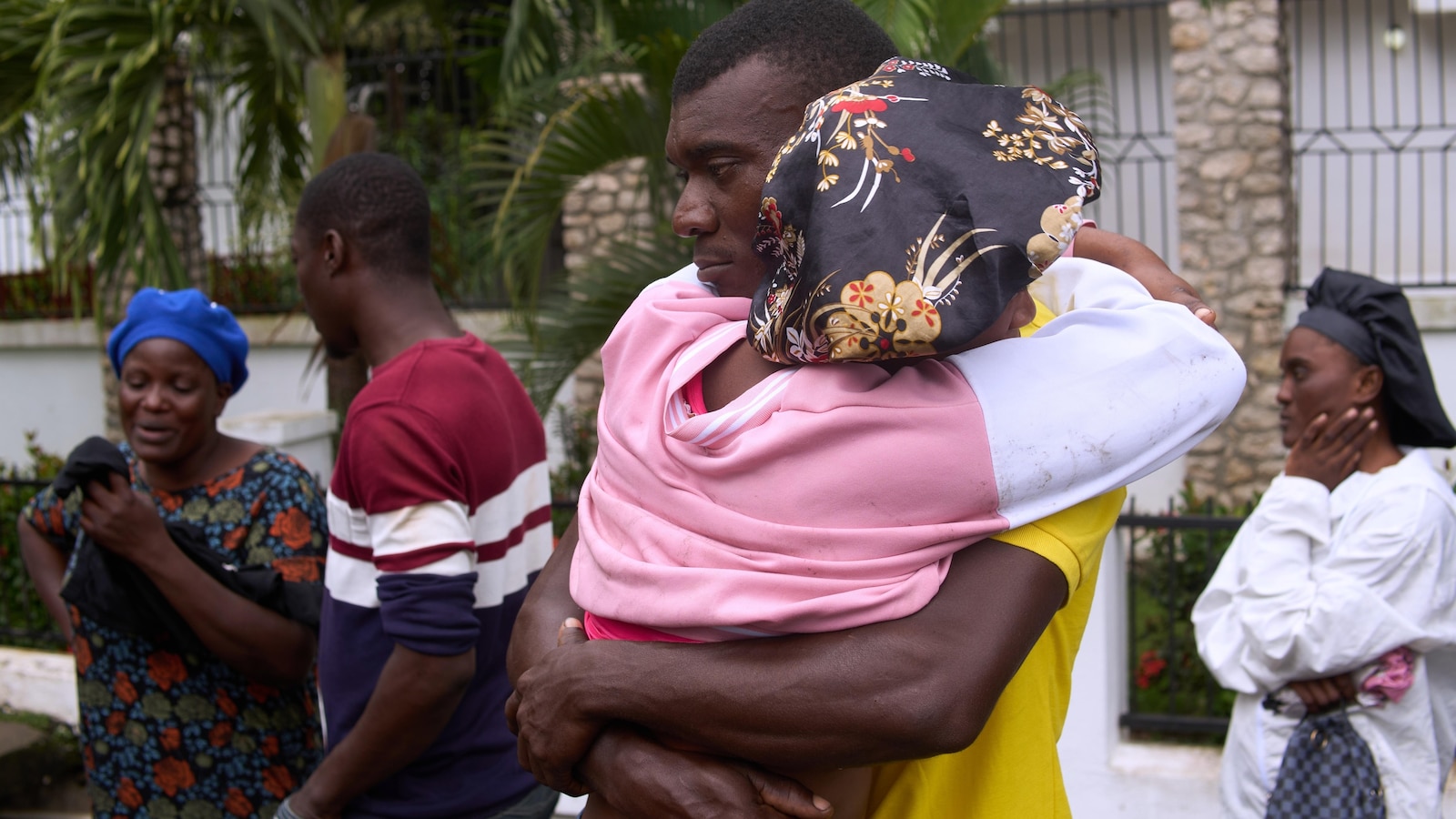
The human toll of this disaster is perhaps best illustrated by stories like that of Donaldson Jean, whose younger sister was among those killed in the stampede. His sister had been an exemplary student, one who studied with dedication and discipline to earn her place in what was called the “genius program”—a special recognition for top-performing students. The school field trip to the Citadelle Laferrière was meant to be a reward for her hard work and academic excellence, a chance to experience Haiti’s rich history firsthand. Donaldson recalled how his sister would approach him regularly, asking for help with her homework before dinner, always striving to improve and succeed. “Morning and night, she was studying for the genius program,” he said through tears after the devastating task of carrying her body, which had been covered with a white tarp. “Look how I lost her,” he sobbed, his words capturing the senseless cruelty of a bright young life extinguished in an instant. His sister’s story represents countless others—young people full of promise, families who did everything right, and dreams that will never be realized because of failures in crowd safety management.
Lessons and Questions for the Future
As Haiti processes this latest tragedy, difficult questions must be asked about how such a disaster could occur and what must change to prevent similar incidents in the future. The Citadelle Laferrière is not just any tourist attraction; it is a symbol of Haitian resilience and independence, built in the early 19th century as a fortress to protect the newly independent nation from potential French invasion. That such a place of national pride should become the site of tragedy adds a layer of bitter irony to the disaster. Moving forward, Haitian authorities will need to establish and enforce rigorous safety standards for events at historical sites and other venues where large crowds gather. This includes proper crowd management training, clear evacuation procedures, capacity limits based on safety assessments, and adequate security personnel to monitor and respond to dangerous situations. The investigation’s findings must lead to concrete reforms rather than simply fading from public attention as the news cycle moves on. For the families who lost loved ones, no policy changes or safety improvements can undo their loss, but ensuring that lessons are learned and implemented could help prevent other families from experiencing similar heartbreak. Haiti deserves better—its people deserve to be able to celebrate their culture and history without fear, and its young people especially deserve the chance to pursue their education and experience their heritage in safety. The 25 lives lost at the Citadelle Laferrière must not be forgotten, and their deaths must serve as a catalyst for meaningful change in how public events and historic sites are managed throughout the country.