
Tragedy at Haiti’s Historic Citadelle: A Easter Gathering Turns Deadly
A Celebration Becomes a Catastrophe
What should have been a joyful Easter celebration at one of Haiti’s most treasured landmarks turned into an unspeakable tragedy on Saturday. At least 25 people lost their lives, and dozens more sustained injuries during a stampede at the Citadelle Henri, also known as Citadelle Laferriere, a magnificent 19th-century fortress perched in the mountains near the northern town of Milot. The incident unfolded during an annual Easter gathering that had attracted large crowds, predominantly young people, to the historic site. Officials initially reported a higher death count, but after thorough investigation and autopsies conducted on Sunday, authorities revised the fatality number to 25. Culture Minister Emmanuel Menard addressed the nation, confirming that injured survivors were receiving necessary medical treatment while rescue teams continued searching the area for any missing persons who might still be unaccounted for. Jean Henri Petit, who heads civil protection for Haiti’s Nord department, issued a sobering warning that the death toll could still climb as the full scope of the disaster becomes clear.
Understanding What Happened in Those Terrifying Moments
The chaos erupted when a massive crowd of visitors, particularly young people, found themselves bottlenecked at a single entrance to the fortress. According to initial reports from witnesses and local media, a dangerous situation developed as people trying to exit the site collided with others attempting to enter, creating a pressure point that proved fatal. In the confusion and crush of bodies, panic spread rapidly through the crowd. Some local news outlets reported that the gathering had gained momentum through social media, specifically through promotional posts on TikTok, which may have drawn an unexpectedly large number of attendees to the historic site. The fortress, while designed to withstand military attacks centuries ago, was never intended to manage the modern challenge of crowd control during mass gatherings. The narrow passages and limited entry points that once served as defensive features became death traps when too many people converged on them simultaneously. Prime Minister Alix Didier Fils-Aime characterized the event as a “tourist activity bringing together many young people,” highlighting how what began as a cultural and recreational outing ended in unimaginable heartbreak for families across Haiti.
The Government’s Response and Investigation
In the immediate aftermath of this devastating incident, Haitian authorities moved swiftly to mount a response and begin piecing together exactly what went wrong. Prime Minister Fils-Aime announced that a comprehensive investigation had been launched, with all relevant authorities mobilized to support those affected by the tragedy. The Haitian National Police issued a separate statement confirming their own investigation to determine the precise cause of the stampede. These investigative efforts led to the revised death toll of 25 fatalities as authorities worked through the night conducting autopsies and gathering evidence. In a Facebook statement, the Prime Minister expressed the government’s deepest condolences to the affected families, saying, “The government sends its sincere condolences to the affected families.” He emphasized that the government was monitoring the situation with the utmost attention and urged the population to remain calm and cautious while awaiting the results of the ongoing investigations. The statement continued with reassurances: “In this particularly troubling circumstance, the Prime Minister and the Government of the Republic reaffirm their solidarity with the victims and the entire affected community.” Culture Minister Emmanuel Menard made the decision to close the UNESCO World Heritage Site to all visitors “until further notice,” acknowledging that safety concerns must take precedence over tourism and cultural activities until a full understanding of the incident is achieved.
The Human Toll and Medical Response
Beyond the cold statistics of fatalities, this tragedy represents 25 individual lives cut short and families forever changed. Several dozen additional victims were rushed to local hospitals with injuries ranging from minor to critical, according to reports from Le Nouvelliste, a local newspaper covering the disaster. Medical facilities in the area were placed on high alert, with healthcare workers working tirelessly to treat the injured and save as many lives as possible. The government emphasized in its official statements that “all competent authorities are fully mobilized and placed on maximum alert to provide, without delay, the necessary assistance, care and support” to victims and their families. The injured are currently receiving necessary medical care, though the emotional and psychological scars from such a traumatic event will likely last far longer than physical injuries. For the families of the deceased, particularly those who lost young people with their entire lives ahead of them, the pain is incomprehensible. Easter, traditionally a time of celebration, renewal, and hope, will forever be marked by grief for these families. The community in Milot and throughout Haiti’s Nord department now faces the difficult process of mourning, healing, and seeking answers about how such a preventable tragedy could occur at what should have been a safe, well-managed cultural event.
The Historical Significance of the Citadelle
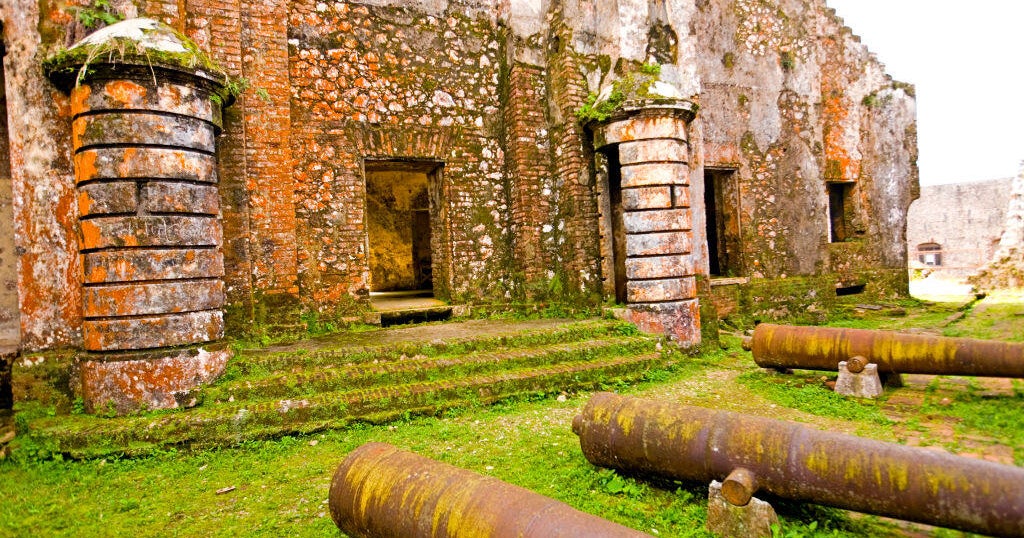
The location of this tragedy adds another layer of poignancy to an already heartbreaking situation. The Citadelle Laferriere stands as one of Haiti’s most important historical monuments and a powerful symbol of the nation’s hard-won independence. Built by revolutionary leader Henri Christophe shortly after Haiti achieved its independence from France in 1804, the fortress was designed as a defensive stronghold to protect the newly free nation from potential invasion. Its massive stone walls and strategic mountaintop position made it nearly impregnable to military attack, and it has stood for over two centuries as a testament to Haitian resilience, ingenuity, and the determination of formerly enslaved people to defend their freedom at all costs. Designated as a UNESCO World Heritage Site, the Citadelle has become a source of national pride and an important tourist destination that connects Haitians to their revolutionary heritage. The fortress attracts visitors from around the world who come to marvel at its architectural achievements and learn about Haiti’s remarkable history as the first independent Black republic and the site of the only successful slave revolution in modern history. That such a symbol of survival and triumph should become the site of such loss creates a painful irony that resonates deeply with the Haitian people.
Moving Forward: Questions, Safety, and Remembrance
As Haiti grapples with this tragedy, difficult questions demand answers. How could crowd management have failed so catastrophically at such an important site? Were there adequate safety measures in place for handling large gatherings? Did social media promotion through platforms like TikTok contribute to an unexpectedly large and unmanageable crowd? Should there have been better coordination between event organizers and local authorities? These questions will hopefully be addressed through the ongoing investigation, but they offer little comfort to those who have lost loved ones. The incident highlights broader issues about public safety management at cultural and historical sites, particularly in nations facing economic challenges and limited resources for infrastructure and crowd control. Moving forward, Haitian authorities will need to implement comprehensive safety protocols to prevent similar tragedies, including capacity limits, multiple entry and exit points, trained crowd management personnel, and emergency response plans. The closure of the Citadelle “until further notice” suggests officials are taking these concerns seriously, but the real test will be in the long-term changes implemented before the site reopens to the public. As the investigation continues and the nation mourns, the 25 lives lost will serve as a somber reminder of the responsibility that comes with preserving and sharing cultural heritage. The fortress that once protected Haiti’s freedom has become a place of profound loss, and ensuring that such a tragedy never happens again is the least that can be done to honor those who died simply trying to celebrate their heritage during the Easter holiday.