
Hormuz Strait Remains Nearly Empty Despite US-Iran Ceasefire Agreement
Dramatic Decline in Critical Maritime Traffic
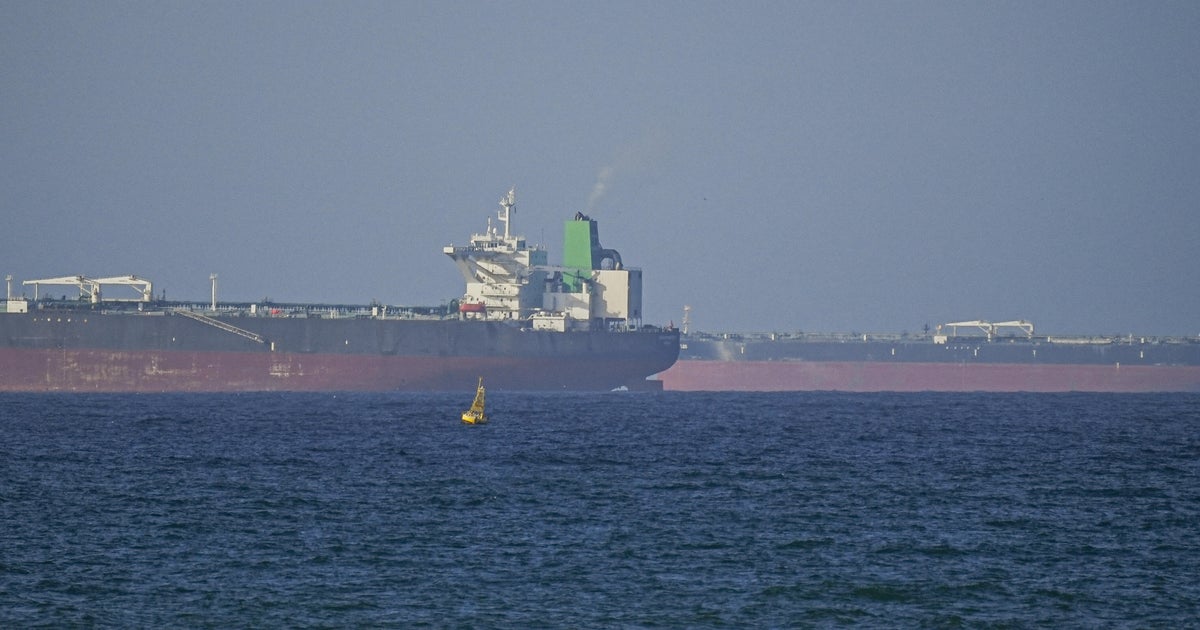
The strategic Strait of Hormuz, long considered one of the world’s most vital shipping channels, remains essentially frozen despite a recently announced ceasefire between the United States and Iran. Marine transit data reveals a startling picture: only about a dozen vessels navigated these crucial waters during the first 48 hours following the ceasefire agreement that President Trump unveiled late Tuesday. This represents a catastrophic drop from normal operations, when the strait typically accommodates well over a hundred ships daily. The waterway’s importance cannot be overstated—it serves as the primary conduit for approximately 20 percent of the global oil supply, making it an indispensable artery in the world’s energy infrastructure. The near-complete shutdown of traffic through this narrow passage has sent ripples of concern throughout international markets and raised serious questions about the fragility of global supply chains that depend on this single chokepoint.
Conflicting Messages and Diplomatic Confusion
The ceasefire agreement was supposed to include provisions allowing vessels to resume passage through the strait, but confusion emerged almost immediately about the terms and conditions. Within hours of President Trump’s announcement, an Iranian news agency with connections to the country’s military published reports claiming that traffic through the strait would remain suspended. Iran reportedly linked this decision to ongoing Israeli military operations against Hezbollah forces in Lebanon, suggesting that the Lebanese conflict was somehow tied to the ceasefire terms. The White House quickly pushed back against this characterization, with press secretary Karoline Leavitt firmly stating that Iran’s claims about Lebanon being part of the ceasefire agreement were inaccurate. Adding another layer to the diplomatic muddle, Vice President JD Vance acknowledged to reporters on Wednesday that there had been what he called a “legitimate misunderstanding” regarding the specific terms of the ceasefire. Despite these conflicting signals, Leavitt attempted to project optimism, stating that officials had observed an increase in strait traffic and reiterating President Trump’s firm expectation that the Strait of Hormuz be reopened “immediately, quickly and safely.” However, the actual data from marine tracking systems painted a far less encouraging picture than the White House’s public statements suggested.
The Numbers Tell a Sobering Story
Hard data from Marine Traffic, a specialized ship tracking company, provides an unvarnished look at just how severely traffic through the strait has been impacted. During the Wednesday and Thursday following the ceasefire announcement, merely 12 ships successfully navigated the waterway—a shockingly small number compared to pre-war volumes. According to the United Nations’ Trade and Development organization, between February 1 and February 27, before hostilities erupted on February 28, an average of 129 vessels passed through the strait daily. The contrast couldn’t be more stark. Among the handful of ships that did venture through the strait after the ceasefire took effect, only three were oil or chemical tankers, all making their passage on Thursday. Notably, all three of these tankers operate under U.S. sanctions due to their previous involvement in transporting Iranian oil. The remaining vessels in this small group were cargo ships. Of the tankers that passed through, one was carrying approximately one million barrels of oil, another’s cargo details weren’t available, and the third vessel was traveling empty. Matt Smith, lead oil analyst at Kpler, the global trade analytics firm that owns Marine Traffic, put the situation in stark perspective: “It’s about a third of the world’s seaborne crude that is passing through there—15 million barrels per day. And now it’s basically slowed to a trickle.” His assessment underscores the magnitude of the disruption to global energy markets.
The War’s Immediate Impact and Gradual Stranglehold
Looking at the timeline of events provides insight into how quickly the situation deteriorated and how difficult recovery has proven. On February 28, the day the conflict erupted, 74 ships managed to pass through the Strait of Hormuz—already a reduced number but still representing substantial commercial activity. However, as Iran tightened its grip on the waterway, traffic plummeted dramatically. Throughout March, an average of only six ships per day successfully navigated the strait, representing less than five percent of normal traffic volumes. April has shown marginal improvement, with the daily average climbing to ten ships as of Thursday evening, but this still represents a fraction of typical operations. The composition of traffic has also shifted notably since the conflict began. Approximately 58 percent of vessels that have passed through since February 28 have been oil, chemical, or gas tankers, suggesting that companies are prioritizing energy shipments over other cargo types when attempting the risky passage. It’s worth noting that these figures may not capture the complete picture, as some ship operators temporarily disable or manipulate their AIS transponders—the devices that broadcast a vessel’s location—making precise, real-time tracking challenging and potentially understating or overstating actual traffic depending on how many ships are operating in stealth mode.
Economic and Strategic Implications
The near-closure of the Strait of Hormuz carries profound implications for the global economy that extend far beyond immediate oil supply concerns. Energy markets have already responded with volatility, as traders price in the uncertainty of when normal traffic patterns might resume and what alternatives exist for moving Middle Eastern oil to global markets. Countries heavily dependent on oil imports from the Persian Gulf region face particularly acute challenges, potentially needing to source more expensive alternatives or dip into strategic petroleum reserves. The shipping industry itself faces difficult calculations about risk versus reward—each vessel that attempts passage through the strait represents a multi-million dollar asset with valuable cargo and crew, and ship owners must weigh the potential for Iranian interference, accidents in the congested waters, or other hazards against the commercial pressure to move goods. Insurance rates for vessels transiting the region have undoubtedly skyrocketed, adding another cost layer to global trade. Beyond the immediate economic impacts, the situation highlights uncomfortable geopolitical realities about the vulnerability of global commerce to regional conflicts. The fact that a single narrow waterway can effectively hold such a large percentage of world oil supply hostage demonstrates the precariousness of the international system’s critical infrastructure.
The Path Forward Remains Uncertain
As the situation continues to unfold, numerous questions remain unanswered about when and how normal operations through the Strait of Hormuz might resume. The diplomatic confusion evident in the conflicting statements from American and Iranian officials suggests that despite the ceasefire announcement, fundamental issues remain unresolved. The involvement of the Lebanon-Israel conflict as a complicating factor, whether legitimately part of the ceasefire terms or not, adds another variable to an already complex equation. For the shipping industry, the current situation presents an agonizing wait-and-see scenario. Companies must decide whether to risk sending vessels through the strait with minimal traffic and maximum uncertainty, seek alternative routes that add significant time and cost to journeys, or simply wait for clearer signals that safe passage has been truly restored. The White House’s insistence that the strait be reopened immediately reflects the urgency of the situation, but demands alone cannot create the security conditions and mutual confidence necessary for shipping companies to resume normal operations. As long as doubt persists about Iran’s intentions and the durability of any agreement, and as long as related conflicts continue to simmer in the region, the world’s most critical oil shipping channel will likely remain well below its normal capacity, with all the economic disruption and strategic anxiety that entails. The coming days and weeks will reveal whether the ceasefire represents a genuine turning point toward stability or merely a temporary pause in a longer confrontation with far-reaching consequences for global commerce.