
Tragedy Strikes Turkish School: Understanding the Devastating Classroom Shooting
A Community Shattered by Violence
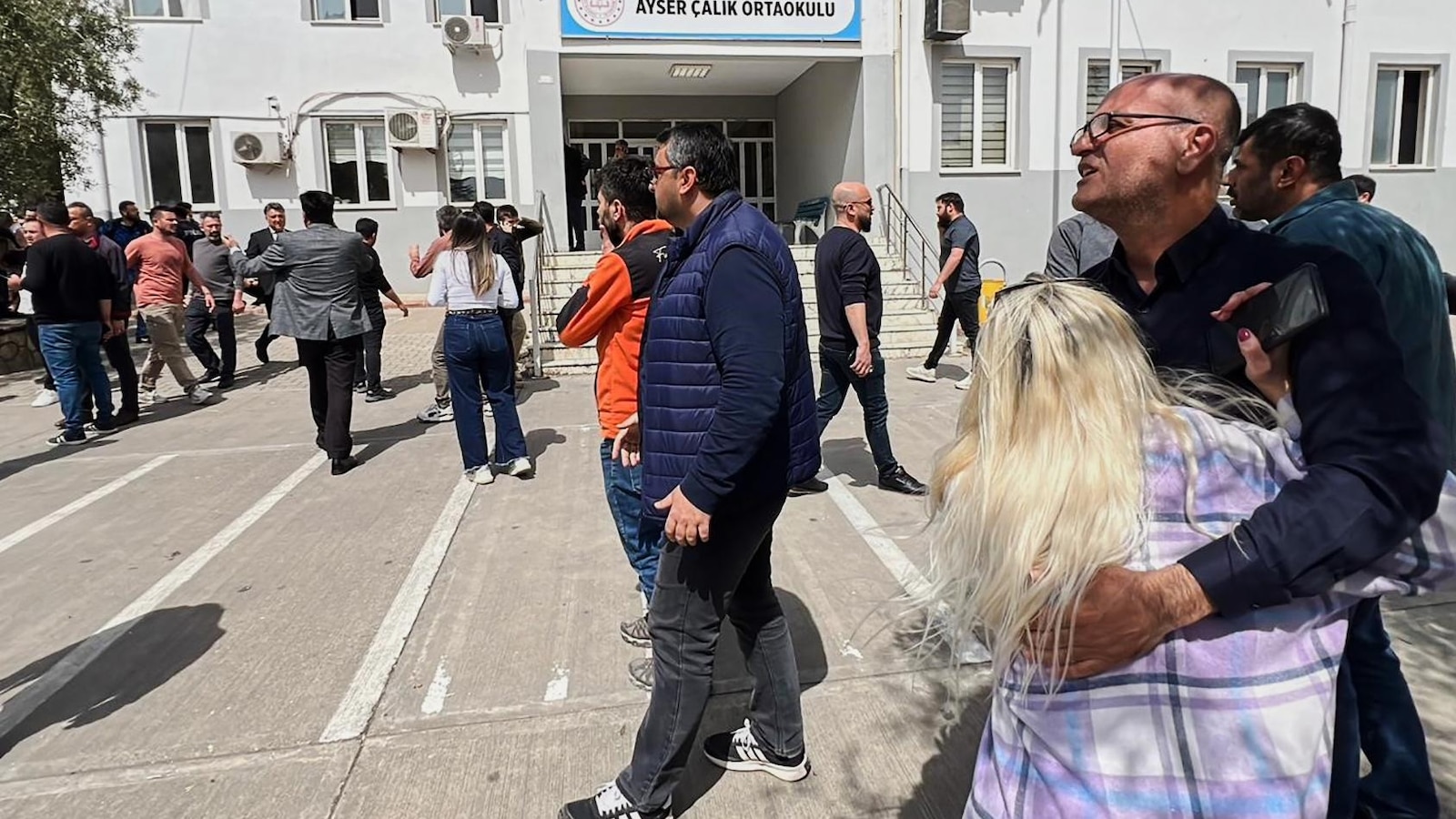
In a heartbreaking incident that has left an entire nation reeling, a middle school in Kahramanmaras, Turkey, became the site of unimaginable tragedy on Wednesday morning. A 14-year-old student entered two classrooms armed with multiple firearms and opened fire on his classmates and teachers, resulting in nine deaths and thirteen injuries. This devastating event has sent shockwaves through Turkish society, particularly because such incidents have been extremely rare in the country until now. The young gunman, whose life ended that same day, arrived at school carrying an arsenal that included five firearms and seven magazines—weapons that investigators believe belonged to his father, a retired police officer. As families rushed to the school after hearing news of the attack, they were met with a scene of chaos and grief that no parent should ever have to witness. The community of Onikisubat district, like the rest of Turkey, is now grappling with profound questions about how such a tragedy could occur and what warning signs might have been missed.
The Unfolding of a Nightmare
The attack unfolded during what should have been an ordinary school day, transforming classrooms meant for learning into scenes of terror. According to Kahramanmaras provincial Governor Mukerrem Unluer, the teenage shooter systematically targeted two separate classrooms, suggesting a level of planning that makes the incident even more disturbing. Interior Minister Mustafa Ciftci confirmed that among the thirteen wounded, six individuals were fighting for their lives in serious condition, adding to the anguish of families waiting desperately for news about their loved ones. The circumstances surrounding the shooter’s death remain unclear—authorities have not yet determined whether he was killed by responding police officers or took his own life. This ambiguity adds another layer of complexity to an already tragic situation as investigators work to piece together the exact sequence of events. What is certain is that in a matter of minutes, countless lives were forever changed, and a community’s sense of safety and security was shattered beyond recognition.
A Father’s Weapons, A Son’s Actions
One of the most troubling aspects of this tragedy involves how the young shooter obtained such a significant arsenal of weapons. The firearms—five guns in total, along with seven magazines of ammunition—are believed to have belonged to his father, a retired police officer who is now in custody for questioning. State-run broadcaster TRT identified the shooter as Isa Aras Mersinli, and his father’s detention raises critical questions about firearm storage, security, and responsibility in homes where weapons are present. For a 14-year-old to access not just one but five firearms suggests either a catastrophic failure in securing these weapons or something more complex that investigators are now working to understand. The father, having served in law enforcement, would presumably have been trained in proper firearm safety and storage protocols, making this breach even more difficult to comprehend. This aspect of the case will likely fuel discussions throughout Turkey about gun ownership responsibilities, particularly among current and former law enforcement personnel, and whether existing regulations are sufficient to prevent weapons from falling into the wrong hands—especially those of troubled youth.
Back-to-Back Tragedies Shake a Nation
What makes this incident even more alarming for Turkish citizens is its timing—it occurred just one day after another school shooting in nearby Sanliurfa province, where a former student opened fire at a high school, wounding sixteen people, mostly students, before taking his own life. The occurrence of two school shootings within 48 hours is unprecedented in Turkey, a country that has been largely spared from the epidemic of school violence that has plagued other nations, particularly the United States. Turkish society is now confronting an uncomfortable reality: school shootings, once thought to be primarily an American problem, have arrived on their doorstep. The psychological impact of these back-to-back incidents cannot be overstated—parents across the country are now sending their children to school with newfound anxiety, teachers are looking at their students differently, and young people themselves are processing the disturbing realization that their classrooms may not be the safe spaces they once believed them to be. The proximity of these two attacks, both geographically and temporally, has sparked urgent conversations about whether Turkey is experiencing an isolated coincidence or the beginning of a troubling trend.
The Mystery of Motive and Media Restrictions
Perhaps one of the most frustrating aspects for those trying to make sense of this tragedy is that the shooter’s motive remains unknown. At 14 years old, Isa Aras Mersinli was at an age when young people are navigating complex emotional, social, and developmental challenges, but what specifically drove him to commit such a horrific act remains unclear. Investigators are undoubtedly examining his social media presence, relationships with classmates and teachers, family dynamics, mental health history, and any other factors that might provide insight into his state of mind. However, the Turkish government has imposed strict limitations on what information can be shared publicly. Authorities have banned the broadcast of “traumatic” images from the shooting and warned media organizations to limit their coverage to official statements only. While this approach may be intended to protect the dignity of victims and prevent the sensationalization of violence, it also means that the public has limited information about what actually transpired and why. This information vacuum can fuel speculation and rumors, potentially making it harder for communities to process the trauma and learn from the tragedy in constructive ways.
A Nation Searches for Answers and Healing
As Turkey mourns the victims of this senseless violence, the country faces difficult questions about how to move forward and prevent future tragedies. Parents who rushed to the school in Kahramanmaras’ Onikisubat district, their hearts pounding with fear for their children’s safety, represent the universal anguish that accompanies school violence—the sudden realization that the place where we send our children for education and growth can become a site of unthinkable horror. The thirteen wounded survivors and the families of the nine dead now face a long journey of physical and emotional healing, while the broader community must grapple with collective trauma and grief. Questions that once seemed relevant only to other countries now demand answers in Turkey: How can schools be made safer? What warning signs should teachers, parents, and peers be trained to recognize? How should firearms be regulated and stored, particularly in homes with young people? What mental health resources and interventions are needed for struggling youth? As Turkish society processes these back-to-back tragedies, there will inevitably be calls for policy changes, improved security measures, and enhanced support systems for students in crisis. The challenge will be implementing meaningful reforms that address root causes rather than simply responding with fear-based reactions. For now, a nation grieves, and a community tries to comprehend how an ordinary school day transformed into a nightmare that has forever changed so many lives.