


Supreme Court Shields Internet Providers in Landmark Copyright Battle
A Victory for Digital Infrastructure
In a decision that will reshape the landscape of internet liability and copyright law, the Supreme Court delivered a unanimous ruling on Wednesday that internet service providers cannot be automatically held responsible when their customers illegally download or share copyrighted content. The case centered on Cox Communications, one of America’s largest cable and internet companies, which faced a staggering $1 billion lawsuit from Sony Music Entertainment and other major record labels. The music industry giants had argued that Cox should pay the price for turning a blind eye to rampant piracy on its network, claiming the company knowingly continued providing service to users who were downloading and sharing thousands of copyrighted songs without permission. This legal battle, which began in 2018, represented far more than just a dispute between one internet provider and the music industry—it struck at the heart of how we understand responsibility in the digital age, where the infrastructure that connects us can also enable wrongdoing.
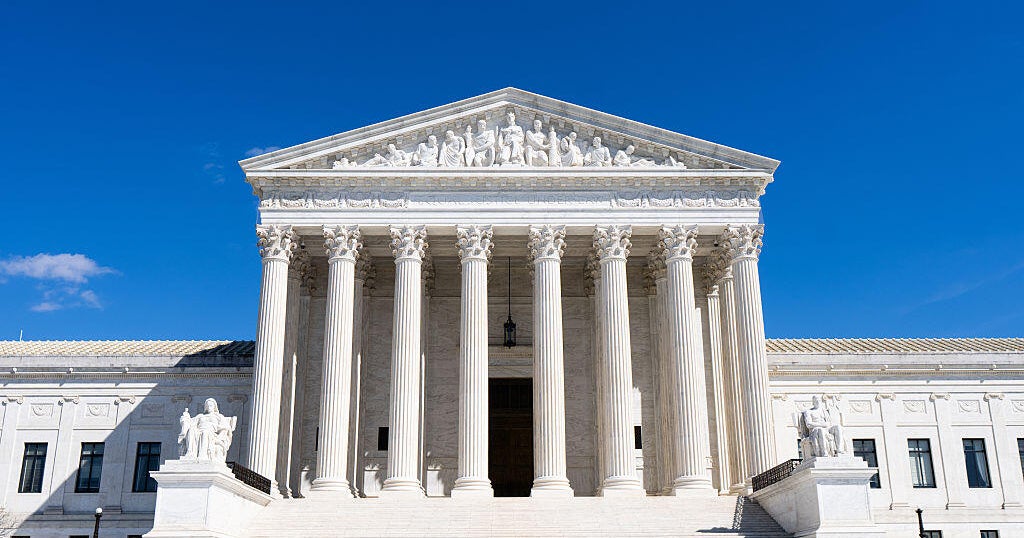
The Supreme Court’s decision overturned a previous ruling from the U.S. Court of Appeals for the 4th Circuit, which had sided with the music companies on the question of liability, though it had sent the damages portion back for reconsideration. Justice Clarence Thomas, writing for the majority, established a clear standard that will likely influence similar cases for years to come: internet service providers are only liable for copyright infringement by their users if they actually intended for their service to be used for such illegal activity. This distinction—between providing a neutral service that can be misused and actively facilitating or encouraging that misuse—became the cornerstone of the Court’s reasoning. The justices recognized that internet access serves countless legitimate purposes, from education and business to communication and entertainment, and that holding providers liable simply for failing to police every potential infringement would fundamentally alter the nature of internet service itself.
The Music Industry’s Argument and Initial Success
When Sony Music Entertainment and its industry partners first filed their lawsuit against Cox Communications, they presented what seemed like a compelling case of corporate negligence. The music companies documented over 10,000 instances where Cox subscribers had illegally downloaded or distributed copyrighted songs, often repeatedly and flagrantly. Their argument was straightforward: Cox knew these infringements were happening, knew who was doing them, and yet continued to collect monthly fees from these customers while doing little to stop the illegal activity. From the recording industry’s perspective, this made Cox a willing accomplice to mass piracy that has cost the music business billions of dollars over the past two decades. The initial jury agreed with this reasoning, delivering a massive $1 billion verdict against Cox—a figure that reflected both the scale of the alleged infringement and the jury’s belief that the company had acted with willful disregard for copyright law.
The 4th Circuit Court of Appeals largely upheld this verdict, though it did order a new trial on the damages amount. In its ruling, the appeals court articulated a theory of liability that many found troubling: that “supplying a product with knowledge that the recipient will use it to infringe copyrights” was sufficient grounds for holding the supplier responsible. This standard would have potentially exposed internet providers to massive liability whenever they knew—or perhaps should have known—that customers were using their service for piracy. For the music industry, which has struggled to adapt to the digital age and combat the seemingly endless problem of illegal downloading and streaming, this ruling represented a potential breakthrough. If internet providers could be held financially responsible for piracy on their networks, they would have powerful motivation to aggressively police their users and cut off service to suspected infringers, effectively deputizing these companies as copyright enforcers.
Cox’s Defense and the Supreme Court’s Reasoning
Cox Communications mounted a defense that resonated with the Supreme Court’s understanding of how internet infrastructure works and should be regulated. The company argued that it had taken reasonable steps to address copyright infringement, including sending warning notices to subscribers accused of piracy, temporarily suspending service in some cases, and even permanently terminating accounts for repeat offenders. Cox contended that it should not be held liable simply because it didn’t cut off every subscriber who had been accused of infringement—particularly when such accusations don’t always go through a formal legal process and may sometimes be mistaken. The company emphasized that internet service had become essential infrastructure for modern life, comparable to telephone service or electricity, and that expecting providers to act as copyright police would create impossible burdens and potentially deny people access to crucial services based on unproven allegations.
Justice Thomas’s majority opinion embraced much of this reasoning, establishing that Cox’s liability should depend on its intent rather than merely its knowledge that some users were committing infringement. The Court recognized that Cox provided general internet access—a service with countless legitimate uses—rather than a platform specifically designed or tailored for copyright infringement. This distinction proved crucial. As Thomas wrote, “Cox did not tailor its service to make copyright infringement easier. Cox simply provided Internet access, which is used for many purposes other than copyright infringement.” The Court found that holding Cox liable “merely for failing to terminate Internet service to infringing accounts would expand secondary copyright liability beyond our precedents.” This language reflects a broader judicial philosophy about the limits of secondary liability—the legal principle that can make one party responsible for another’s wrongdoing. The Supreme Court decided that simply providing neutral infrastructure, even with knowledge that some users might misuse it, doesn’t cross the line into legal culpability.
Internal Court Dynamics and Broader Implications
While the Supreme Court’s decision was unanimous in outcome, it revealed some interesting nuances in legal reasoning. Justices Sonia Sotomayor and Ketanji Brown Jackson agreed that Cox should win the case but disagreed with some aspects of the majority’s reasoning. Sotomayor, joined by Jackson, wrote a concurring opinion arguing that Sony and the other music companies “cannot prove that Cox had the requisite intent to aid copyright infringement for Cox to be held liable on a common-law aiding-and-abetting theory.” This alternative approach reached the same destination but traveled a slightly different legal path, emphasizing traditional common-law principles of aiding and abetting rather than the specific framework the majority employed. Such concurrences, while agreeing on results, can influence how lower courts apply Supreme Court decisions and may shape future cases that test the boundaries of today’s ruling.
The case also revealed an interesting alignment of interests, with the Trump administration filing a brief in support of Cox Communications. The government’s position reflected concerns that went beyond any single company or copyright dispute. Federal officials argued that imposing liability on internet service providers for failing to terminate subscribers who might commit future infringement could fundamentally alter the internet ecosystem. This position recognized that ISPs occupy a unique position in the digital infrastructure—they’re the gateway through which all internet activity flows, but they’re not the publishers, platforms, or content creators themselves. The government’s brief suggested that treating ISPs as copyright enforcers could set problematic precedents for other areas of law, potentially making them liable for all manner of illegal activity by users, from fraud to harassment to terrorism. The Supreme Court’s decision aligned with these concerns, preserving a distinction between infrastructure providers and those who actively facilitate or profit from specific illegal activities.
Looking Forward: What This Means for Users, Providers, and Content Creators
This Supreme Court decision will likely have far-reaching implications for how internet service is provided and regulated in America. For consumers, the ruling provides some reassurance that their internet access won’t be arbitrarily terminated based on copyright accusations without due process. Internet service has become so essential to modern life—for work, education, healthcare, government services, and countless other necessities—that treating it as something that can be easily cut off raises serious concerns about fairness and access. The Court’s decision suggests that more than mere accusations or even knowledge of potential infringement will be required before providers face liability or feel compelled to terminate service. This doesn’t give users free rein to pirate content, as individuals can still be sued directly for copyright infringement, but it does mean the internet won’t be shut off as a first resort.
For internet service providers, this ruling offers crucial legal protection and clarity. Companies like Cox can continue operating without fear that every copyright violation by their millions of subscribers will expose them to catastrophic liability. This doesn’t mean they’re entirely off the hook—providers that actively facilitate infringement, design their services to enable piracy, or completely ignore the problem could still face legal consequences. But the decision establishes that providing neutral infrastructure and taking reasonable steps to address infringement when notified should be sufficient to avoid liability. For the music industry and other copyright holders, this ruling represents a setback in their long campaign to enlist internet providers as partners in fighting piracy. The recording industry will need to rely more heavily on direct enforcement against individual infringers, technological protection measures, and attractive legal alternatives like streaming services rather than holding internet providers financially responsible for users’ illegal activity. While disappointing for content creators who have struggled with digital piracy for decades, this decision reflects the Supreme Court’s view that expanding liability too broadly could threaten the open internet infrastructure that has become fundamental to American life and commerce.