

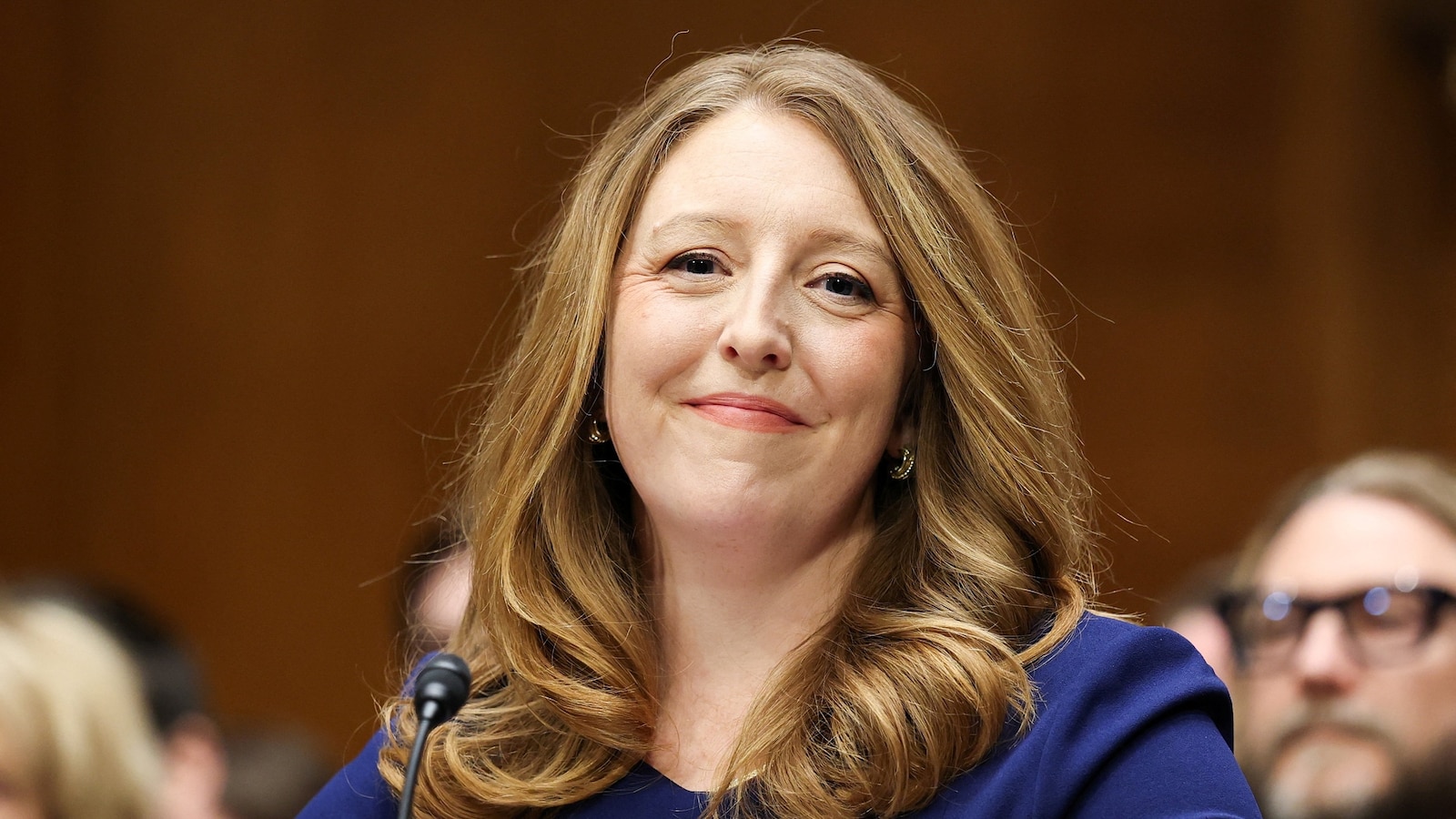

Dr. Casey Means’ Surgeon General Confirmation Hearing: A Closer Look at America’s Potentially Unconventional Top Doctor
Navigating the Vaccine Question: Between Support and Specificity
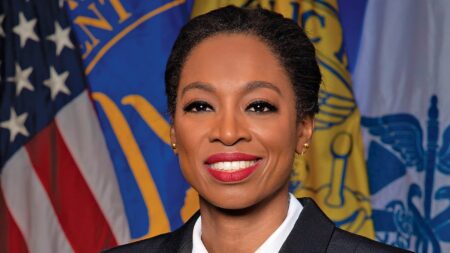
Dr. Casey Means found herself in the hot seat during her confirmation hearing for U.S. Surgeon General, facing tough questions from senators about her stance on vaccinations. While she expressed general support for vaccines, her reluctance to give specific recommendations raised eyebrows among committee members. When pressed by Senator Bill Cassidy about whether she would encourage parents to vaccinate their children with the MMR vaccine—especially in light of two children who died from measles last year—Means initially emphasized personal autonomy and suggested that vaccination decisions should be made in consultation with doctors. Only after Cassidy pushed her three times did she finally state clearly: “I am absolutely supportive of the measles vaccine, and I do believe vaccines save lives and are an important part of the public health strategy.” Later, when Senator Tim Kaine asked about the flu vaccine’s effectiveness in preventing serious disease and hospitalization in children, Means seemed hesitant again, ultimately saying she supported CDC guidance and believed the shot reduced hospitalization risk “at the population level.” This careful, measured approach to what many consider straightforward public health questions signaled to senators that Means might take a different approach to the surgeon general role than her predecessors, prioritizing individual choice while still acknowledging the scientific evidence supporting vaccination.
An Unconventional Candidate for America’s Top Doctor
What makes Dr. Casey Means stand out as a nominee isn’t just her views—it’s her unusual background for someone being considered as the nation’s top doctor. She graduated from Stanford School of Medicine in 2014 with plans to become a head and neck surgeon but dropped out in her fifth year of training. She never completed a medical residency, isn’t board-certified in any medical specialty, and doesn’t hold an active medical license. Dr. Richard Besser, former acting CDC director, acknowledged this unusual situation, noting that while the surgeon general’s role has traditionally been viewed as “America’s doctor,” Means has never actually practiced medicine. Instead of following a traditional medical career path, Means pursued functional medicine, a holistic approach that focuses on preventing disease by studying root causes of health issues—a field that has faced criticism for promoting interventions that aren’t always evidence-based and for relying heavily on expensive supplements. If confirmed, she would lead more than 6,000 members of the U.S. Public Health Service, including physicians, nurses, scientists, and engineers working across various federal health agencies. Her confirmation hearing was originally scheduled for October but was postponed for four months after she went into labor, adding a very human element to what has been an intensely scrutinized nomination process.
Business Ventures and Conflicts of Interest Under the Microscope
Senators didn’t just question Means about her medical views—they also grilled her on her business activities and potential conflicts of interest. In her financial filings, Means pledged to resign from her position as an adviser for a wellness company and promised to stop working as an influencer promoting supplements and other wellness products if confirmed. However, Senator Chris Murphy raised serious concerns about possible violations of Federal Trade Commission policies, citing allegations from a watchdog group that Means failed to properly disclose financial relationships when promoting products online. He pointed out that while her financial filings showed she began receiving compensation from a prenatal vitamin maker in spring 2024, she was posting online in fall 2024 claiming she “had no financial relationships” with the company and was “just a big fan.” Means denied any wrongdoing, explaining that whenever she posted about not receiving money, she truly wasn’t receiving compensation at that time. Senator Tammy Baldwin expressed broader concerns about Means’ career trajectory, suggesting she had “spent your career sort of making money off the flaws in the system,” and questioning how Americans could trust her to prioritize their health over profits. Means pushed back against these characterizations, committing to provide Americans with the best possible public health information. She co-founded Levels, an app that helps people track their food and biometric data like sleep and glucose monitoring to understand how diet impacts health, and co-authored “Good Energy” with her brother Calley Means—a book examining why Americans are sick and proposing solutions.
The Means Siblings and Their Influence on Trump’s Health Agenda
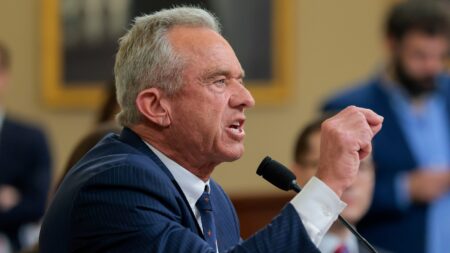
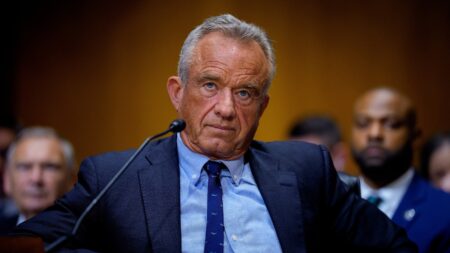
Understanding Casey Means’ nomination requires looking at the broader context of her family’s influence within the Trump administration’s health policy circles. She and her brother Calley Means rose to prominence among Trump allies in 2024, appearing at health-focused events with Robert F. Kennedy Jr., who now serves as Health and Human Services Secretary. The siblings appeared at a September 2024 roundtable discussion on health hosted by Senator Ron Johnson, where Casey delivered a stark warning: “The message I’m here to share and reiterate is that American health is getting destroyed. It’s being destroyed because of chronic illness.” Calley Means, who holds an MBA from Harvard but has no medical training, currently serves as senior adviser for HHS and has worked closely with Kennedy on many health proposals. This family partnership represents a significant shift in how health policy is being shaped at the federal level—with less emphasis on traditional medical credentials and more focus on challenging conventional approaches to American health. Casey Means’ views largely mirror Kennedy’s priorities: tackling the chronic disease epidemic, creating a healthier food supply, and expressing skepticism about certain aspects of vaccine policy. Kennedy himself expressed enthusiasm about her potential confirmation, telling reporters on Monday that the department has been waiting “a long time” for her to join the team and praising her “extraordinary capacity to communicate to the American public—that is the function of the surgeon general.”
Food, Agriculture, and School Lunch Reform
One area where Means found more common ground with senators was her advocacy for improving America’s food system, particularly school nutrition programs. Like Kennedy, she has called for removing ultra-processed foods from school lunches and advocated for organic ingredients sourced from regenerative farming practices in school meals. During her hearing, she addressed Senator Tommy Tuberville about recent developments, noting that $700 million had been allocated toward regenerative agriculture through a U.S. Department of Agriculture pilot program launched in December 2025. “We are going to have more investment in the research and studying of soil health, water quality, nutrient density of food and how that is affecting our health,” Means explained. “That is going to trickle into medical education.” In her “Good Energy” newsletter, she argued that the U.S. needed to move away “from industrial agriculture that uses synthetic pesticides” to create “nutrient-rich food.” Dr. Besser acknowledged that using the surgeon general platform to improve school lunch programs could be tremendously beneficial, though he emphasized that simply telling people to eat healthy food doesn’t help if they can’t afford it. He suggested that real impact would require funding the school lunch program adequately so every school could have a kitchen with staff who could prepare real food rather than distributing packaged products. This focus on food quality and agricultural practices represents a potential area where Means could build bipartisan support, as concerns about childhood nutrition and the quality of American food transcend traditional political divides.
Controversial Views and the Road Ahead
Beyond her positions on vaccines and food, Means has expressed views on other health topics that have raised concerns among some medical professionals and senators. On Tucker Carlson’s show in August 2024, she claimed birth control is being “prescribed like candy” and that Ozempic has a “stranglehold on the U.S. population.” In her newsletter, she has called for more research on “the safety of the cumulative effects” of vaccines when following the CDC vaccine schedule, writing that “there is growing evidence that the total burden of the current extreme and growing vaccine schedule is causing health declines in vulnerable children. This needs to be investigated.” Doctors and major medical organizations like the American Academy of Pediatrics have maintained that the previous childhood immunization schedule recommended by the CDC was safe and effective, though the CDC recently changed the schedule, cutting the number of vaccines universally recommended for children. Means has also criticized the administration of the hepatitis B vaccine to infants, and when Senator Cassidy asked if she agreed with universal hepatitis B immunization, she gave a qualified response: “I think it is an important vaccine. It’s a life-saving vaccine. I also think that parents’ autonomy and family autonomy need to be respected.” She agreed that the vaccine should be recommended “at some time in their youth” but stopped short of endorsing the former CDC recommendation that all babies receive the vaccine at birth. As her confirmation process moves forward, the central question remains whether her unconventional background and emphasis on individual autonomy over public health mandates represents a refreshing new approach to addressing America’s chronic disease crisis—or a concerning departure from science-based public health leadership that has protected Americans for generations.