
Tragedy in the English Channel: Four Lives Lost in Desperate Crossing Attempt
The Deadly Incident at Equihen Beach
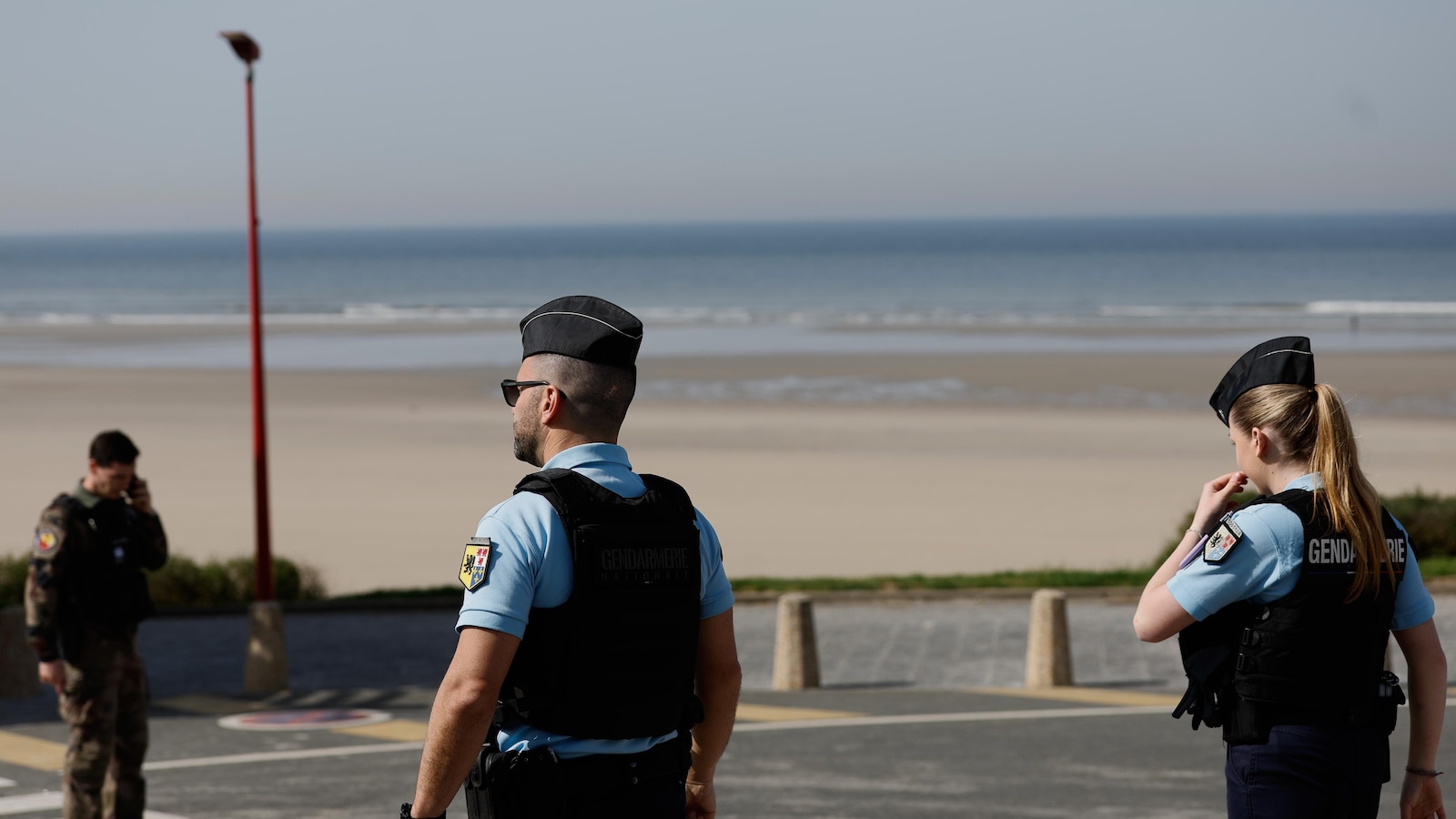
A heartbreaking tragedy unfolded on the shores of northern France this week when four migrants—two men and two women—lost their lives while attempting to cross the English Channel to reach Britain. The incident occurred at Equihen Beach near Calais, a location that has become synonymous with the dangerous journeys thousands of desperate people undertake each year in search of a better life. The victims were among a larger group trying to wade through strong currents to reach what authorities describe as a “taxi-boat,” a small motorized inflatable vessel designed to pick up migrants along the expansive French coastline. Despite rescue efforts that saved 38 other individuals from the treacherous waters, these four souls could not be saved, their dreams of reaching British shores ending in the cold waters of the Channel. This tragedy serves as yet another grim reminder of the human cost of irregular migration and the desperate circumstances that drive people to risk everything, including their lives, for the chance at what they hope will be safety and opportunity.
Arrest Made Under New Immigration Laws
In the aftermath of this deadly incident, British authorities took swift action, arresting a 27-year-old Sudanese man on Friday on suspicion of endangering life. The suspect was among more than 70 migrants who continued the perilous journey across the Channel despite the deaths of their fellow travelers. He was apprehended at a migrant processing center located on England’s southeast coast, where authorities were managing the arrival of those who had successfully completed the crossing. The arrest was made under provisions of a new border and immigration law that specifically includes charges for endangering someone’s life during a sea journey to the United Kingdom. This legislation represents Britain’s evolving legal approach to addressing the complex and often tragic situation surrounding irregular migration across the Channel. However, it remains unclear exactly what role the arrested man is alleged to have played in the crossing—whether he was suspected of being an organizer, a facilitator, or had some other involvement in the events that led to the four deaths. The National Crime Agency confirmed that the suspect remained in custody for questioning, and investigators indicated their plans to interview other individuals who made the crossing, hoping to piece together a clearer picture of what transpired.
The Evolving Tactics of Smuggling Operations
The incident at Equihen Beach highlights the constantly evolving tactics employed by smuggling networks operating along the northern French coast. The use of so-called “taxi-boats” has become increasingly popular among these criminal organizations as they adapt to law enforcement efforts to prevent crossings. These smaller motorized inflatables are deployed to collect migrants along large stretches of coastline, a strategy that has emerged in direct response to French police efforts to thwart departures by puncturing the larger rafts that groups traditionally had to inflate and carry to the water themselves. This cat-and-mouse game between authorities and smugglers has transformed the French coastline into a complex operational theater where both sides continuously adjust their strategies. For migrants, this means being forced to wade out into the water—often in dangerous conditions with strong currents—to reach the pickup boats, adding yet another layer of risk to an already perilous journey. The smugglers, motivated purely by profit, show little regard for the safety of their clients, often overloading boats, providing inadequate safety equipment, and operating in weather conditions that no legitimate maritime operation would consider safe. These criminal networks charge thousands of euros per person for the crossing, preying on the desperation of people fleeing war, persecution, poverty, and hopelessness in their home countries.
The Complicated Challenge of Maritime Intervention
The tragedy also underscores the difficult position in which French authorities find themselves when attempting to manage the migration crisis along their coastline. Under international maritime law, French police follow a policy of not attempting to stop boats once they are on the water, as such interventions are considered to put lives at even greater risk. This legal and humanitarian constraint means that prevention efforts must focus on the beaches and launch points, before migrants enter the water. However, as this incident tragically demonstrates, even these shore-based interventions have limitations, particularly when migrants are willing to wade out into dangerous waters to reach pickup boats positioned offshore. The strong currents that swept away the four victims on Thursday exemplify the natural hazards that make the English Channel one of the world’s busiest and most dangerous shipping lanes. The Channel’s unpredictable weather, powerful tides, cold water temperatures, and heavy commercial traffic create a deadly combination, even for experienced mariners in proper vessels, let alone for desperate migrants in overloaded inflatable boats. French authorities face the challenging task of preventing departures while also being prepared to launch rescue operations when things go wrong, all while respecting both the legal rights and physical safety of the migrants themselves.
A Surge in Crossings and Mounting Death Toll
This week’s tragedy occurred against a backdrop of a recent surge in attempted Channel crossings and, tragically, in deaths as well. In just the two days surrounding this incident, authorities rescued 102 people in two separate operations on Wednesday, while another two people died last week in similar circumstances off the coast north of Calais. These numbers represent not just statistics but individual human beings—each with their own story, their own reasons for making this desperate journey, and their own families who will now grieve their loss. The timing of these surges often corresponds with weather windows when conditions are relatively calmer, prompting smuggling operations to push as many people across as possible in a short timeframe. This creates periods of intense activity along the French coast, with multiple boats launching simultaneously and rescue services stretched thin. The human cost continues to mount year after year, with dozens of lives lost in the Channel in recent years, yet still the crossings continue. This speaks to the desperation that drives migration—when people feel they have no other option, they will risk everything, even when they know others have died attempting the same journey. For many, the perceived dangers they are fleeing seem even greater than the very real dangers of the Channel crossing itself.
The Human Face of a Political Crisis
Behind the headlines, arrests, and policy debates lies a profoundly human story of desperation, hope, and tragedy. The four people who died trying to reach Britain were individuals with aspirations, families, and histories that led them to that beach in France. They might have been fleeing war, persecution, or poverty. They might have had family already in the UK. They might have spoken English and hoped for education or employment opportunities. We may never know their full stories, but their deaths remind us that migration policy is not merely an abstract political issue—it has real consequences for real people. The 27-year-old Sudanese man now in British custody similarly has his own story, his own reasons for leaving Sudan and making this journey. Whether he played a role in organizing the crossing or was simply another desperate migrant remains to be determined. The 38 people rescued from the water and the more than 70 who successfully completed the crossing each represent individual lives hanging in the balance, caught between the countries they fled and the countries they hope to reach. As Britain implements stricter immigration laws and France attempts to prevent departures, and as smuggling networks continue to profit from human desperation, the fundamental question remains: how can the international community address the root causes that drive people to risk everything for the chance at a better life, while also managing borders and preventing the criminal exploitation that leads to tragedies like this? Until meaningful solutions are found, the waters of the English Channel will likely continue to claim lives, and desperate people will continue to make impossible choices.