

The Measles Crisis: A Clash Between Public Health and Vaccine Skepticism
Health Officials Push Vaccination Amid Growing Outbreaks
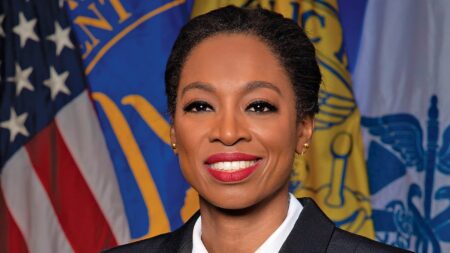
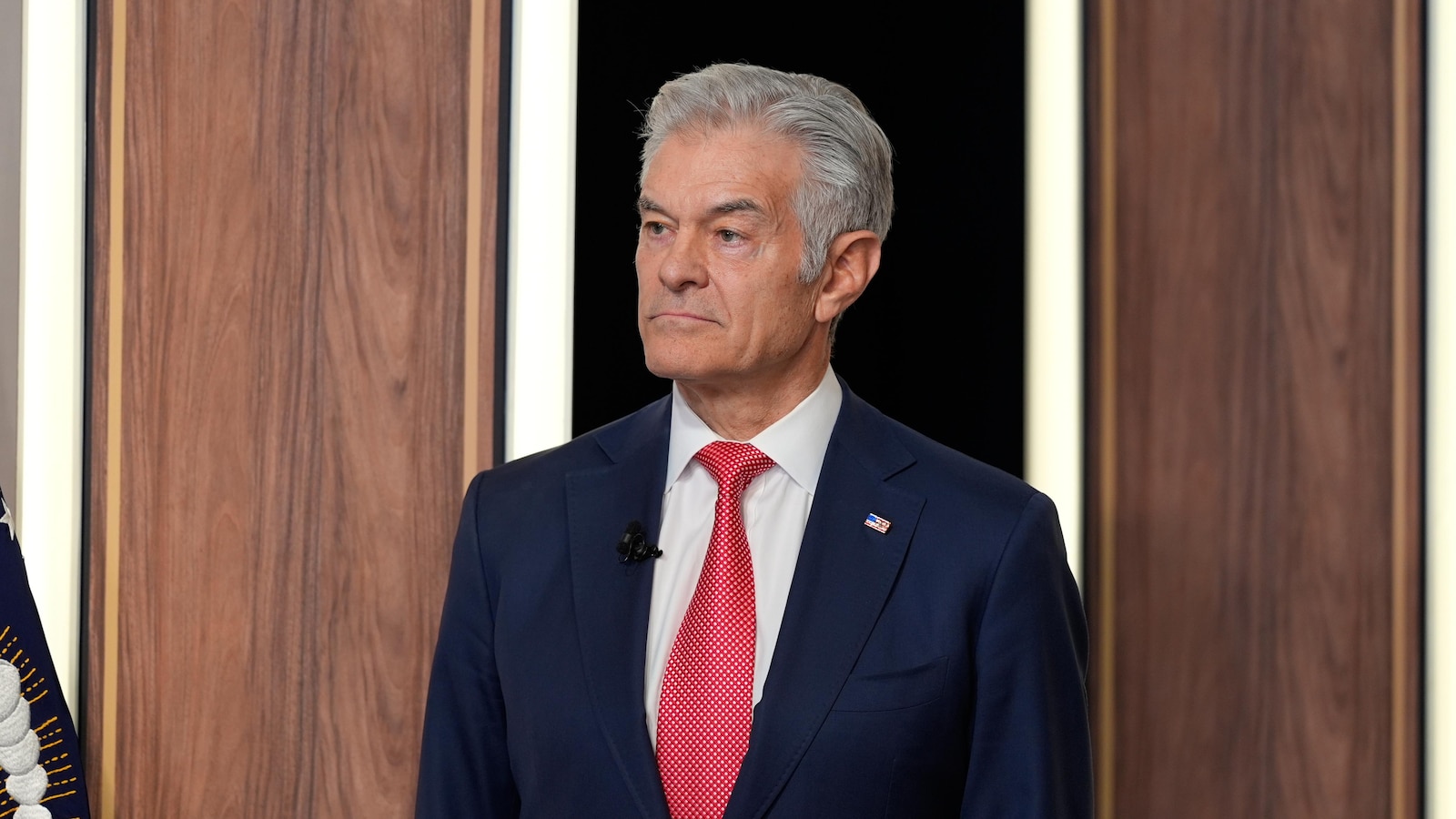
As measles outbreaks surge across multiple states, threatening the United States’ hard-won elimination status for the disease, the nation finds itself caught between urgent public health needs and an administration plagued by contradictory messages about vaccine safety. Dr. Mehmet Oz, the Centers for Medicare and Medicaid Services administrator, issued a straightforward appeal on Sunday: “Take the vaccine, please. We have a solution for our problem.” The plea comes at a critical moment when South Carolina’s outbreak has reached hundreds of cases, surpassing Texas’s earlier 2025 outbreak, with additional clusters emerging along the Utah-Arizona border and confirmed cases scattered across numerous other states. These outbreaks have predominantly affected children, occurring against a backdrop of rising public distrust in vaccines that infectious disease experts warn may be fueling the spread of a disease once declared eradicated by public health officials.
During his appearance on CNN’s “State of the Union,” Oz, a heart surgeon by training, attempted to navigate the delicate politics surrounding his administration’s stance on vaccines. “Not all illnesses are equally dangerous and not all people are equally susceptible to those illnesses,” he explained, “but measles is one you should get your vaccine.” When directly asked whether Americans should fear measles, his response was unequivocal: “Oh, for sure.” Oz assured viewers that Medicare and Medicaid would continue covering the measles vaccine without barriers as part of core healthcare services. However, his comments also revealed the administration’s awkward positioning, as he defended both recently revised federal vaccine recommendations and past statements from President Donald Trump and Health Secretary Robert F. Kennedy Jr., despite their well-documented skepticism regarding vaccine safety and efficacy.
Kennedy’s Controversial History and Current Influence
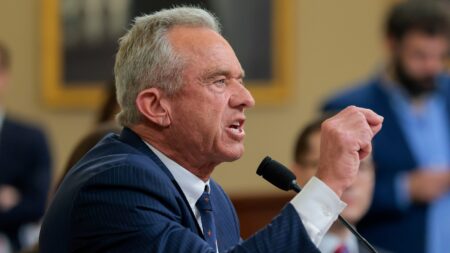
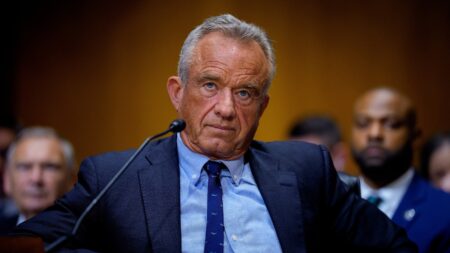
The tension between public health necessity and political messaging becomes particularly stark when examining Robert F. Kennedy Jr.’s role as the nation’s health chief. Critics have long pointed to Kennedy’s skepticism of U.S. vaccine recommendations and his past sympathy for the scientifically discredited claim that vaccines may cause autism. Oz attempted to paint Kennedy’s position as supportive of measles vaccination specifically, noting that during the Texas outbreak, Kennedy advised people to get vaccinated. “When the first outbreak happened in Texas, he said, get your vaccines for measles, because that’s an example of an ailment that you should get vaccinated against,” Oz explained. Yet this selective endorsement of one vaccine while questioning the broader vaccine schedule has created confusion among the public at precisely the moment when clear, consistent messaging is desperately needed.
Kennedy’s credibility on vaccine issues has faced intense scrutiny since Trump nominated him to lead the Department of Health and Human Services. Particularly damaging was information about a 2019 trip he took to Samoa, which preceded a devastating measles outbreak on the Pacific island nation. During his Senate confirmation testimony, Kennedy insisted the trip had “nothing to do with vaccines,” but documents obtained by The Guardian and The Associated Press told a different story. Emails from U.S. Embassy and United Nations staffers revealed that Kennedy sought meetings with top Samoan officials during his visit. Samoan officials later stated that Kennedy’s trip gave credibility to anti-vaccine activists in the period before the outbreak, which ultimately sickened thousands and killed 83 people, mostly children under five years old. This tragic episode underscores the real-world consequences of vaccine hesitancy and the influence that prominent figures can wield over public health decisions.
The Administration’s Contradictory Messaging on Vaccines
The current administration’s approach to vaccines has been characterized by discordant and at times contradictory statements that blur the lines between legitimate scientific inquiry and unfounded conspiracy theories. Officials have walked a precarious tightrope, criticizing past U.S. vaccine policy while attempting not to stray too far from established science. During a Senate hearing, Dr. Jay Bhattacharya, director of the National Institutes of Health, said no single vaccine causes autism but left the door open to the possibility that some combination of vaccines might have negative side effects—a statement that provides ammunition to anti-vaccine activists despite lacking scientific support. Kennedy himself has argued in Senate testimony that a link between vaccines and autism has not been disproved, maintaining his long-held belief that vaccine components like thimerosal, a mercury-containing preservative, may cause childhood neurological disorders. Notably, most measles, mumps, and rubella vaccines don’t contain thimerosal, and a federal vaccine advisory board overhauled by Kennedy last year voted to stop recommending thimerosal-containing vaccines altogether.
The Republican administration took the significant step last month of dropping some vaccine recommendations for children, representing a major overhaul of the traditional vaccine schedule. The Department of Health and Human Services justified this decision as responding to President Trump’s request to review how peer nations approach vaccine recommendations and to consider revising U.S. guidance accordingly. This move came despite the fact that states, not the federal government, hold the authority to require vaccinations for schoolchildren. However, federal recommendations typically influence state regulations, prompting some states to begin forming their own alliances to counter the administration’s guidance. Meanwhile, President Trump himself has contributed to the confusion, making unfounded claims during a September Oval Office event that Tylenol and vaccines are linked to rising autism rates in the United States, assertions made without supporting evidence.
The Declining State of Vaccination Rates in America
Federal data paints a concerning picture of vaccination trends in the United States. Vaccination rates have dropped while the share of children with exemptions has reached an all-time high. Simultaneously, diseases that vaccines can prevent, such as measles and whooping cough, are experiencing resurgence across the country. This troubling correlation between declining vaccination rates and increasing disease prevalence illustrates the direct public health consequences of growing vaccine hesitancy. The erosion of vaccine confidence didn’t happen overnight but has been building for years, accelerated by the polarization surrounding coronavirus pandemic response measures. During that time, vaccine policy and general public health responses became deeply divisive political issues, while misinformation and conspiracy theories about the public health system spread widely. Longtime anti-vaccine activist groups, which had operated on the margins of public discourse for decades, suddenly found themselves receiving unprecedented attention and attracting new followers from the wider public.
Administration officials frequently invoke the need to restore trust in public health systems following the coronavirus pandemic, acknowledging that confidence has been damaged. However, their approach to rebuilding that trust—which includes ordering reviews of vaccines and public health guidelines that leading medical research groups consider settled science—has drawn criticism from public health experts who argue this strategy actually undermines confidence rather than strengthening it. Kennedy, who for years led the anti-vaccine activist group Children’s Health Defense before taking his government position, now directs federal agencies to reexamine scientific consensus in ways that many experts find deeply troubling. The question facing the nation is whether these reviews represent genuine scientific inquiry or political theater designed to validate predetermined conclusions.
The Path Forward: Balancing Skepticism and Safety
As measles continues to spread and the United States risks losing its measles elimination status—a designation that recognizes sustained absence of continuous disease transmission and represents years of successful public health work—the stakes couldn’t be higher. Oz’s assurances that “there will never be a barrier to Americans get access to the measles vaccine” and that “it is part of the core schedule” offer some comfort, but they exist alongside mixed messages that create uncertainty. The broader pattern of administration officials voicing contradictory statements about vaccine efficacy while overhauling U.S. public health policy leaves healthcare providers, parents, and patients navigating confusing terrain. When a Fox News interview with Kennedy focused on his Super Bowl snack preferences (probably yogurt) and his unusual breakfast choice of steak with sauerkraut rather than pressing questions about vaccine policy during a measles outbreak, it illustrated how substantive public health discussions are often sidelined in favor of personality-driven content.
The current moment demands clarity, consistency, and adherence to scientific evidence. Measles is extraordinarily contagious, spreading through the air when an infected person coughs or sneezes. The disease can cause serious complications including pneumonia, encephalitis, and death, particularly in young children. The measles vaccine is safe, effective, and has been administered to millions of people over decades with overwhelming success. While legitimate questions about vaccine policy, such as appropriate spacing of doses or rare adverse reactions, deserve thoughtful consideration based on rigorous research, the fundamental efficacy and importance of measles vaccination isn’t scientifically controversial. As outbreaks continue spreading through communities, primarily affecting unvaccinated or undervaccinated children, the time for mixed messages has passed. Public health requires public trust, and trust requires honest, evidence-based communication from leaders willing to prioritize community health over political positioning. The question now is whether this administration can deliver that clarity before more children suffer the preventable consequences of measles infection.