

American Academic Dennis Coyle Released by Taliban After Months of Detention
A Humanitarian Release During Eid Celebrations
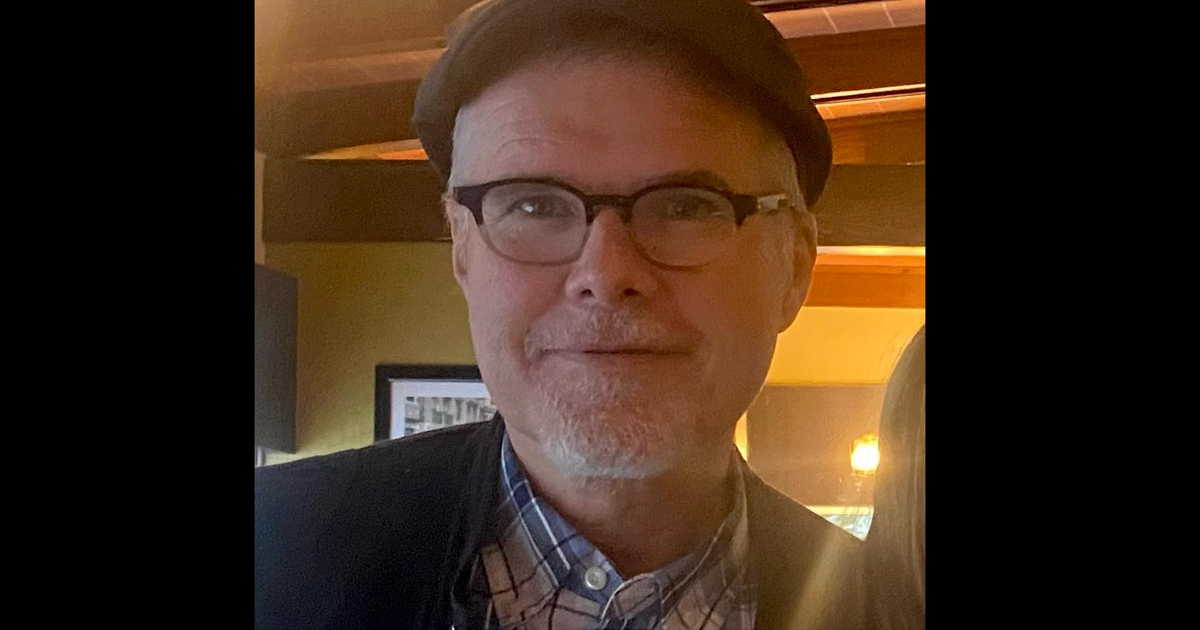
In a welcome development that brought relief to a Colorado family, Afghanistan’s Taliban government announced the release of Dennis Coyle, a 64-year-old American academic who had been held captive since January 2025. The foreign ministry confirmed that Coyle would be pardoned and freed in honor of Eid, the significant Islamic holiday that marks the conclusion of Ramadan. This gesture, framed by the Taliban as an act of “humanitarian sympathy and goodwill,” came after emotional appeals from Coyle’s family and weeks of behind-the-scenes negotiations between the Taliban and U.S. officials. Secretary of State Marco Rubio took to social media to announce the news, sharing that he had personally met with Coyle’s sisters—Molly, Amy, and Patti—earlier in the month when they pleaded for help in freeing their brother. “Today, Dennis is on his way home,” Rubio wrote, describing the release as “a positive step towards ending the practice of hostage diplomacy.” The U.S. State Department subsequently confirmed Coyle’s release, marking another chapter in the complex and often frustrating efforts to secure the freedom of Americans detained in Taliban-controlled Afghanistan.
The Ordeal of a Long-Time Researcher in Afghanistan
Dennis Coyle’s story is particularly poignant because of his deep connection to Afghanistan and its people. The academic had dedicated nearly two decades of his life to conducting language research in the country, building relationships with local communities and contributing to the understanding of Afghanistan’s rich linguistic heritage. Despite his long-standing legal status in the country and his scholarly contributions, Coyle was forcibly taken from his Kabul apartment by Taliban forces in January. What followed was a harrowing period of detention under the Taliban’s General Directorate of Intelligence, where he was held in near-solitary confinement without any formal charges being filed against him. His family described the conditions as deeply concerning, and the lack of transparency about his situation added to their anguish. The timing of Coyle’s detention was particularly striking—it occurred just six days after another American, Ryan Corbett, had been released at the beginning of President Trump’s second term, suggesting a troubling pattern of the Taliban detaining Americans even as others were being freed, potentially to maintain leverage in future negotiations.
The Complex Dance of International Negotiations
The release of Dennis Coyle didn’t happen overnight; it was the result of intensive diplomatic efforts conducted through unconventional channels. According to a senior Taliban official involved in prisoner negotiations, talks between the Taliban and the United States had been ongoing since late February. These discussions took place despite the fact that the United States does not recognize the Taliban as Afghanistan’s legitimate government and maintains no diplomatic presence in the country since the chaotic withdrawal in 2021. This diplomatic vacuum has made Qatar an indispensable intermediary in such negotiations. Qatari officials played a crucial role throughout Coyle’s detention, making regular visits to check on his health and facilitate communication between him and his worried family back in Colorado. These visits provided rare moments of connection during his isolation—around Christmas, Qatari representatives met with Coyle to deliver messages from his family, and in another visit last month, they received a letter he had written to his mother. The Taliban’s statement suggested that such releases could “further strengthen the atmosphere of trust between countries” and expressed hope that both nations would “find solutions to the remaining problems through understanding and constructive dialogue in the future,” indicating their interest in using detained Americans as diplomatic bargaining chips.
The Broader Context of Americans Detained in Afghanistan
Dennis Coyle’s case is far from isolated; it represents part of a troubling pattern of Americans being detained in Taliban-controlled Afghanistan. The situation has become so concerning that earlier this month, the U.S. State Department took the significant step of designating Afghanistan as a sponsor of wrongful detention—a serious diplomatic designation that acknowledges the systematic nature of these detentions. The previous Biden administration had engaged in extensive negotiations with the Taliban, attempting to secure the release of multiple detained Americans through prisoner exchanges. One proposed deal would have traded Muhammad Rahim al Afghani, a Guantanamo Bay detainee alleged to have been an associate of Osama bin Laden, for three Americans: George Glezmann, Ryan Corbett, and Afghan-American Mahmoud Habibi, who was kidnapped in 2022. However, these talks ultimately collapsed when the Taliban made additional demands, seeking not just Rahim but two other prisoners as well, while simultaneously denying they even held Habibi. Despite these setbacks, some Americans have been successfully freed through negotiated releases—with Qatari assistance, Corbett and William McKenty were released in January in exchange for a Taliban figure who had been serving a life sentence for drug trafficking. Glezmann and Faye Hall were freed in March, and Amir Amiri gained his freedom last September.
The Ongoing Plight of Mahmoud Habibi and Others
While the Coyle family celebrates their reunion, other American families continue to endure the agony of uncertainty. Mahmoud Habibi, an Afghan-American citizen, remains in Taliban custody despite the Taliban’s continued denials that they are holding him. In a statement released following Coyle’s freedom, Habibi’s brother Ahmad expressed both gratitude for Coyle’s release and continued heartbreak over his own family’s situation. “My family and I are grateful to hear the news of Dennis’ release,” Ahmad Habibi said. “We hope that our family will soon have the same feeling of relief when Mahmood is returned home to us.” He went on to emphasize that the U.S. government possesses overwhelming evidence that the Taliban’s General Directorate of Intelligence arrested his brother, and that the Taliban’s refusal to acknowledge this obvious fact has consequences that extend beyond his family. “Taliban denials of this obvious fact make it impossible for the people of Afghanistan to get the foreign assistance they need,” he noted, highlighting how the Taliban’s lack of transparency damages the broader Afghan population’s access to international support. The State Department has demonstrated its commitment to Habibi’s case by offering a substantial $5 million reward for information leading to his return. Beyond Habibi, the Taliban also hold the remains of American Paul Overby and at least one other American citizen whose identity and circumstances remain unclear, shrouded in the opacity that characterizes the Taliban’s approach to foreign detainees.
The Challenge of Hostage Diplomacy and the Path Forward
The case of Dennis Coyle and other detained Americans highlights the vexing challenge of what Secretary Rubio termed “hostage diplomacy”—the practice of detaining foreign nationals to gain political leverage or concessions. This tactic has become increasingly common among authoritarian regimes and non-state actors who recognize that democratic governments face tremendous domestic pressure to secure their citizens’ release, regardless of the cost. The Taliban official who spoke to CBS News suggested that previous agreements haven’t been fully honored, stating that Muhammad Rahim “should have been freed by now, but unfortunately the American side have not acted on their earlier promises and commitments yet.” This claim illustrates the mutual distrust and competing narratives that complicate these negotiations. The absence of formal diplomatic relations between Washington and the Taliban government makes each negotiation more difficult, relying heavily on intermediaries like Qatar who must bridge vast cultural, political, and ideological gaps. For Americans with connections to Afghanistan—whether through scholarship, humanitarian work, business, or family ties—the message is sobering: even long-standing presence and positive contributions offer little protection. As Dennis Coyle makes his journey home to Colorado and his relieved family, his case serves as both a success story of persistent diplomatic efforts and a cautionary tale about the ongoing risks. The hope expressed by both the Taliban and U.S. officials for improved dialogue and trust-building suggests that while individual cases may be resolved, the underlying issues—lack of recognition, mutual suspicion, and the Taliban’s willingness to detain Americans for political purposes—remain unresolved challenges that will require sustained attention and creative diplomacy to address in the months and years ahead.