



Team USA Claims Historic Olympic Gold in Thrilling Overtime Victory Against Canada
A Dramatic Comeback on Ice
The 2026 Milan Cortina Winter Games witnessed one of the most electrifying moments in women’s ice hockey history as Team USA staged a remarkable comeback to defeat their longtime rivals, Canada, with a 2-1 overtime victory in the gold medal match. The American squad demonstrated incredible resilience and determination, overcoming a one-goal deficit heading into the final period of regulation play. This victory marked the third Olympic gold medal for the United States women’s ice hockey program and served as sweet redemption following their heartbreaking loss to Canada in the championship game four years earlier. The tension-filled match showcased the best of Olympic competition, with both teams battling fiercely for supremacy on the international stage.
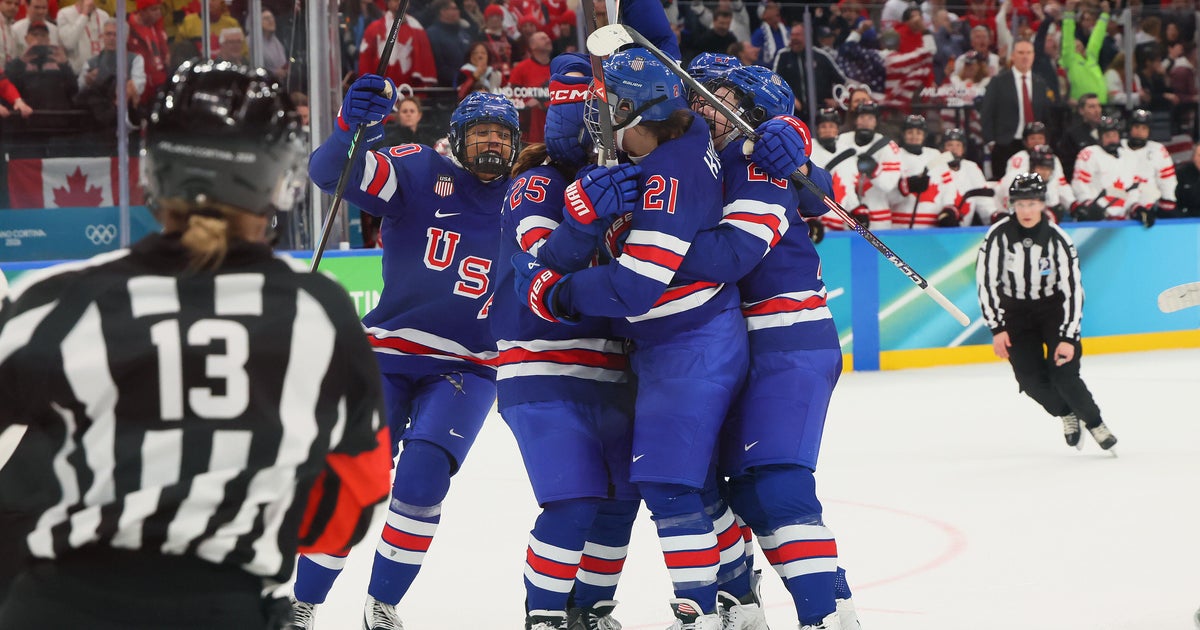
The game’s narrative shifted dramatically in the third period when the United States managed to equalize, forcing the contest into overtime where they ultimately secured the victory. Star forward Hilary Knight, wearing number 21, became a central figure in the celebration as she found the back of the net during the crucial third period, helping to spark the American comeback. Her goal energized not only her teammates but also the contingent of American fans who had traveled to Italy to support their team. The scenes of jubilation following both the tying goal and the eventual overtime winner captured the raw emotion and significance of Olympic competition, where years of preparation and sacrifice culminate in these defining moments. Knight’s celebration with her teammates reflected the collective effort and team unity that propelled the United States to victory in one of the tournament’s most anticipated matchups.
A Storied Rivalry Continues
This championship showdown represented the seventh time these two hockey powerhouses have met in an Olympic gold medal match, and remarkably, it was the fifth consecutive Games where the United States and Canada faced each other with gold on the line. This ongoing rivalry has become one of the most compelling storylines in Winter Olympics history, consistently delivering high-stakes drama and exceptional athletic performances. The frequency with which these two nations meet in the final underscores their dominance in women’s ice hockey at the international level, with both programs having developed deep talent pools and sophisticated training systems over the decades. Each encounter between these teams carries the weight of history, with players on both sides acutely aware of the legacy they’re contributing to with every shift on the ice.
The competitive balance between the United States and Canada has created an almost predictable yet never boring pattern at the Winter Games. Hockey fans around the world have come to expect these two teams to navigate their way through the tournament bracket and ultimately meet when the stakes are highest. This particular edition of their rivalry carried additional significance for the American players, many of whom had experienced the disappointment of losing the previous Olympic final to Canada. That loss had lingered in the minds of returning players, serving as motivation throughout the four-year Olympic cycle. The opportunity to face Canada again with gold on the line represented a chance not just to win, but to rewrite the narrative and prove that the previous result was not indicative of which program held the upper hand.
The Path to Redemption
The Americans’ journey to redemption began long before the opening faceoff in Milan. Following their loss four years ago, the team committed themselves to a rigorous preparation program designed to ensure they would be ready when the next opportunity arrived. Coaching staff analyzed every aspect of their previous defeat, identifying areas for improvement in both tactical approach and mental preparation. Players dedicated themselves to enhancing their individual skills while also developing the team chemistry necessary to succeed in pressure-packed situations. The result was a squad that entered the 2026 Games with a clear mission and the confidence that they had done everything possible to prepare for this exact scenario.
The game itself tested every aspect of that preparation. Trailing 1-0 as the third period began, the American players needed to draw upon their reserves of mental toughness and belief. Lesser teams might have felt the weight of the occasion, allowing doubt to creep in as the clock wound down. Instead, Team USA maintained their composure and continued executing their game plan, trusting that opportunities would present themselves if they remained disciplined and patient. That trust was rewarded when they broke through to tie the game late in the period, completely shifting the momentum and forcing Canada to defend against increasingly aggressive American offensive pressure. The ability to perform under such intense pressure, with the entire hockey world watching, separated these athletes from others and justified the countless hours they had invested in preparing for this moment.
Overtime Heroics Seal the Victory
Overtime in an Olympic gold medal hockey game represents perhaps the most pressure-filled situation in all of sports. Every possession carries enormous weight, with players knowing that a single mistake could end their dreams while a moment of brilliance could secure immortality. As the overtime period unfolded in Milan, both teams demonstrated exceptional skill and courage, creating scoring chances while defending desperately against their opponent’s attacks. The pace of play remained frenetic despite the physical and emotional toll of sixty-plus minutes of championship-level hockey. Goaltenders on both sides made crucial saves, and defensemen threw their bodies in front of shots, each player willing to sacrifice everything for their team and country.
When the decisive goal finally came for the United States, it released four years of pent-up emotion and erased the painful memories of their previous Olympic final defeat. The celebration that erupted on the American bench and among their supporters in the arena reflected not just joy at winning, but relief that their long journey had reached its desired conclusion. For the Canadian team, the loss represented a bitter disappointment, but their performance throughout the tournament and in the final itself earned them respect as worthy adversaries who pushed the Americans to their absolute limit. The narrow margin of victory—just one goal in overtime—demonstrated how evenly matched these programs remain, suggesting that future Olympic encounters between these rivals will continue to captivate audiences and produce unforgettable moments.
Legacy and Impact of the Victory
This Olympic gold medal carries significance that extends well beyond the immediate celebration and the addition of another banner to hang in American hockey arenas. For women’s hockey in the United States, this victory serves as validation of the sport’s growth and development over recent decades. It provides inspiration for the next generation of young players who now have fresh heroes to emulate and new dreams to pursue. The visibility afforded by Olympic success helps attract resources, sponsorships, and media attention to women’s hockey, creating a virtuous cycle that strengthens the sport at all levels. Players who competed in Milan become ambassadors for the game, using their platform to promote hockey to girls and young women who might not otherwise consider the sport.
The victory also cements the legacies of individual players who have represented the United States across multiple Olympic cycles. Veterans like Hilary Knight, whose contributions were highlighted in the championship game, have now experienced both the agony of Olympic defeat and the ecstasy of winning gold on the world’s biggest stage. Their perseverance through disappointment, their dedication to continuous improvement, and their ultimate triumph creates a narrative that resonates far beyond the hockey community. These athletes become symbols of resilience and excellence, demonstrating what can be achieved through commitment, teamwork, and an unwavering belief in one’s abilities. As the 2026 Milan Cortina Winter Games continue to unfold with other competitions and storylines, this dramatic hockey final will undoubtedly remain one of the defining moments, a perfect encapsulation of why the Olympic Games continue to captivate global audiences and inspire athletes around the world to pursue their dreams of representing their countries at the highest level of competition.