
Tesla’s Self-Driving Technology Gets Green Light in the Netherlands: A Historic Step for European Drivers
The Netherlands Becomes Europe’s First to Approve Tesla’s Advanced Driver Assistance
In a groundbreaking development for the European automotive industry, Tesla owners in the Netherlands have received approval to activate their vehicles’ advanced self-driving capabilities, marking a significant milestone as the first country in the European Union to officially authorize this technology. The Dutch RDW agency, which oversees roadworthiness certifications throughout the country, announced on Friday that Tesla’s controversial yet innovative driver assistance system has passed rigorous testing and can now be legally deployed on Dutch roads. However, this approval comes with important stipulations designed to ensure public safety remains paramount. Drivers must physically remain behind the wheel at all times and maintain constant vigilance over the vehicle’s operations, ready to intervene at a moment’s notice should the technology encounter any difficulties or unexpected situations. This historic decision effectively brings the Netherlands into alignment with regulations already in place in the United States, where Tesla owners have been utilizing the Full Self-Driving (Supervised) feature for some time. The approval represents not just a victory for Tesla and its visionary but controversial founder Elon Musk, but also signals a potential shift in how European regulators view autonomous vehicle technology, with the possibility of expanding this authorization to all member states of the European Union in the future.
Extensive Testing Ensures Safety Standards Are Met
The path to approval for Tesla’s Full Self-Driving (Supervised) system in the Netherlands was neither quick nor simple, involving more than eighteen months of comprehensive examination and real-world testing. The RDW agency conducted exhaustive evaluations both on controlled test tracks and on actual public roads to ensure the technology could perform safely in diverse driving conditions that Dutch motorists encounter daily. According to the agency’s official statement, safety remained their absolute top priority throughout the entire assessment process, and they concluded that when used correctly and responsibly, this driver assistance system actually makes a positive contribution to overall road safety rather than compromising it. The testing protocol examined how the system handles various challenging scenarios including adverse weather conditions, complex urban environments, highway driving, and unpredictable situations involving pedestrians and cyclists—a particularly important consideration in the Netherlands, where bicycle traffic is exceptionally high. The RDW’s confidence in approving the system reflects their findings that the technology, when properly supervised by an attentive driver, can potentially reduce human error, which remains the leading cause of traffic accidents worldwide. This thorough vetting process demonstrates that European regulatory authorities are willing to embrace innovative automotive technologies, but only after they’ve been subjected to rigorous scrutiny that validates their safety claims.
Understanding What Full Self-Driving (Supervised) Actually Means
It’s crucial for the public to understand exactly what capabilities Tesla’s Full Self-Driving (Supervised) system provides and, equally importantly, what limitations it operates under. The technology transfers a significant portion of driving responsibilities to the vehicle’s sophisticated computer system, which manages steering inputs, braking operations, route navigation through complex road networks, and even parking maneuvers in tight spaces. However, the “Supervised” designation carries critical significance that every Tesla owner must comprehend—this is not true autonomous driving where passengers can simply sit back and ignore the road. Instead, the human driver remains fully responsible for the vehicle’s operation at all times and must maintain active control, keeping their hands on or near the steering wheel and their attention focused on the road ahead, ready to immediately take over manual control if the system encounters situations beyond its capabilities or if any safety concerns arise. The Dutch RDW agency emphasized this distinction with particular clarity in their announcement, stating unequivocally that “A vehicle with FSD Supervised is not self-driving. It is a driver assistance system, and the driver remains responsible and must always maintain control.” This represents an advanced form of driver assistance rather than the fully autonomous vehicles that many science fiction enthusiasts envision, where human intervention becomes completely unnecessary. Understanding this difference is essential for safe deployment of the technology and for setting appropriate expectations among consumers who might otherwise misunderstand the system’s capabilities and limitations.
European Expansion and Regulatory Pathways Ahead
Tesla’s European subsidiary quickly celebrated the Netherlands’ groundbreaking decision, taking to the social media platform X to announce that “FSD Supervised has been approved in the Netherlands & will begin rolling out in the country shortly!” The company proudly emphasized the competitive advantage this technology provides, stating that “No other vehicle can do this,” while expressing enthusiasm about bringing the supervised self-driving feature to additional European countries in the near future. Elon Musk himself joined the celebration, publicly congratulating the Tesla team while expressing gratitude to Dutch regulatory authorities for “all the hard work required to make this happen.” However, the approval process isn’t entirely complete yet, as the RDW’s decision must still be submitted to the European Commission for final authorization, which would give the Netherlands’ national certification full weight and recognition across the European Union. This additional step in the regulatory process could potentially pave the way for a smoother approval process in other EU member states, as the extensive testing and evaluation already conducted in the Netherlands might serve as a reference point for other countries considering similar authorizations. The precedent set by the Netherlands could accelerate the timeline for broader European deployment, though each country may still choose to conduct additional evaluations based on their specific road conditions, traffic patterns, and safety priorities. This represents a significant opportunity for Tesla to expand the availability of one of its most advanced and controversial features throughout Europe’s substantial automotive market.
Challenges Facing Tesla in the European Market
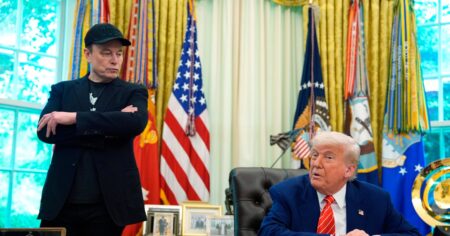
Despite this regulatory victory, Tesla has encountered considerable headwinds in the European market in recent years, including specifically in the Netherlands where the new self-driving feature has just been approved. The company’s sales figures have shown signs of struggle as potential customers have become increasingly hesitant about purchasing Tesla vehicles for reasons that extend well beyond the cars’ technical specifications or performance capabilities. A significant factor in this cooling enthusiasm has been Elon Musk’s highly visible and controversial political activism, particularly his vocal support for hard-right political movements and figures in both the United States and Germany. Many European consumers, who tend to lean more progressive in their political views, have found Musk’s political positions objectionable enough to reconsider their vehicle purchasing decisions, choosing to take their business elsewhere rather than financially supporting a company led by someone whose values conflict with their own. Additionally, Tesla faces mounting competitive pressure from Chinese electric vehicle manufacturers who have entered the European market with increasingly sophisticated products, often at more attractive price points than Tesla’s offerings. These Chinese competitors have rapidly improved their technology, design aesthetics, and build quality while leveraging manufacturing efficiencies that allow them to undercut Tesla on pricing. The combination of political controversy surrounding the brand’s leadership and intensifying competition from well-funded rivals has created a challenging environment for Tesla in Europe, making regulatory victories like the Netherlands’ approval of FSD Supervised even more critical for the company’s efforts to maintain and grow its market position in this important region.
The Broader Implications for Autonomous Vehicle Technology in Europe
The Netherlands’ decision to approve Tesla’s Full Self-Driving (Supervised) system represents more than just a win for one company—it signals a potentially transformative shift in how European regulators approach autonomous vehicle technology and could influence the continent’s automotive future for decades to come. For years, Europe has generally taken a more cautious stance toward autonomous driving features compared to the United States, prioritizing extensive testing and evaluation before granting approvals for deployment on public roads. This conservative approach has been driven by legitimate safety concerns and a desire to protect both vehicle occupants and other road users from inadequately tested technology. However, the Netherlands’ willingness to approve Tesla’s system after thorough evaluation suggests that European authorities recognize the potential benefits these technologies can offer when properly implemented and supervised. As the technology continues to evolve and demonstrate its capabilities, other European nations will be watching the Netherlands’ experience closely, monitoring accident statistics, user feedback, and overall safety outcomes to inform their own regulatory decisions. If the Dutch deployment proves successful without significant safety incidents, it could create momentum for broader European adoption, potentially leading to a more unified EU-wide approach to autonomous vehicle regulation. This could ultimately benefit consumers throughout Europe by providing access to advanced safety and convenience features while maintaining the rigorous safety standards that European regulators are known for worldwide. The coming months and years will be crucial in determining whether this technology can deliver on its promises and whether Europe embraces autonomous driving as enthusiastically as other global markets have begun to do.