
The Precious Resin Under Threat: How Climate Change is Endangering Myrrh and the Communities That Depend on It
An Ancient Treasure Facing Modern Challenges
In the remote Somali region of Ethiopia, a crisis is unfolding that connects ancient traditions to modern luxury markets and climate change. Myrrh, the aromatic tree resin that has been valued since the time of ancient Egypt for its use in perfumes, religious ceremonies, and traditional medicine, is now under serious threat. The trees that produce this precious substance, once forming dense forests across the Horn of Africa, are struggling to survive what experts describe as a historic drought. The situation in places like Afcadde, Ethiopia, highlights a troubling intersection of environmental crisis, economic inequality, and the vulnerability of traditional livelihoods. Local communities who have sustainably harvested myrrh for generations are watching helplessly as their trees weaken, young saplings die, and their way of life hangs in the balance.
The Journey from Ethiopian Forests to Luxury Perfume Bottles
The contrast between the harsh realities faced by myrrh harvesters and the glamorous world where their product ends up could hardly be starker. This aromatic resin serves as a critical ingredient in some of the world’s most prestigious and expensive perfumes, including those marketed by luxury fashion brands such as Tom Ford, Comme des Garçons, and Jo Malone. These fragrances can command prices as high as $500 per bottle in upscale boutiques and department stores around the globe. Yet the individuals who carefully collect this valuable substance by hand receive only a tiny fraction of its eventual value. A kilogram of myrrh resin—representing hours of careful work in harsh conditions—brings harvesters between just $3.50 and $10. This enormous disparity reflects a supply chain where middlemen capture most of the profits, while those doing the actual work of sustainably harvesting the resin struggle to make ends meet. The Ethiopian government collects no taxes on myrrh exports, and most of the resin from this eastern region is purchased by traders from neighboring Somalia, further complicating efforts to ensure fair compensation for local communities.
Researchers Shine Light on Sustainable Practices and Supply Chain Inequities
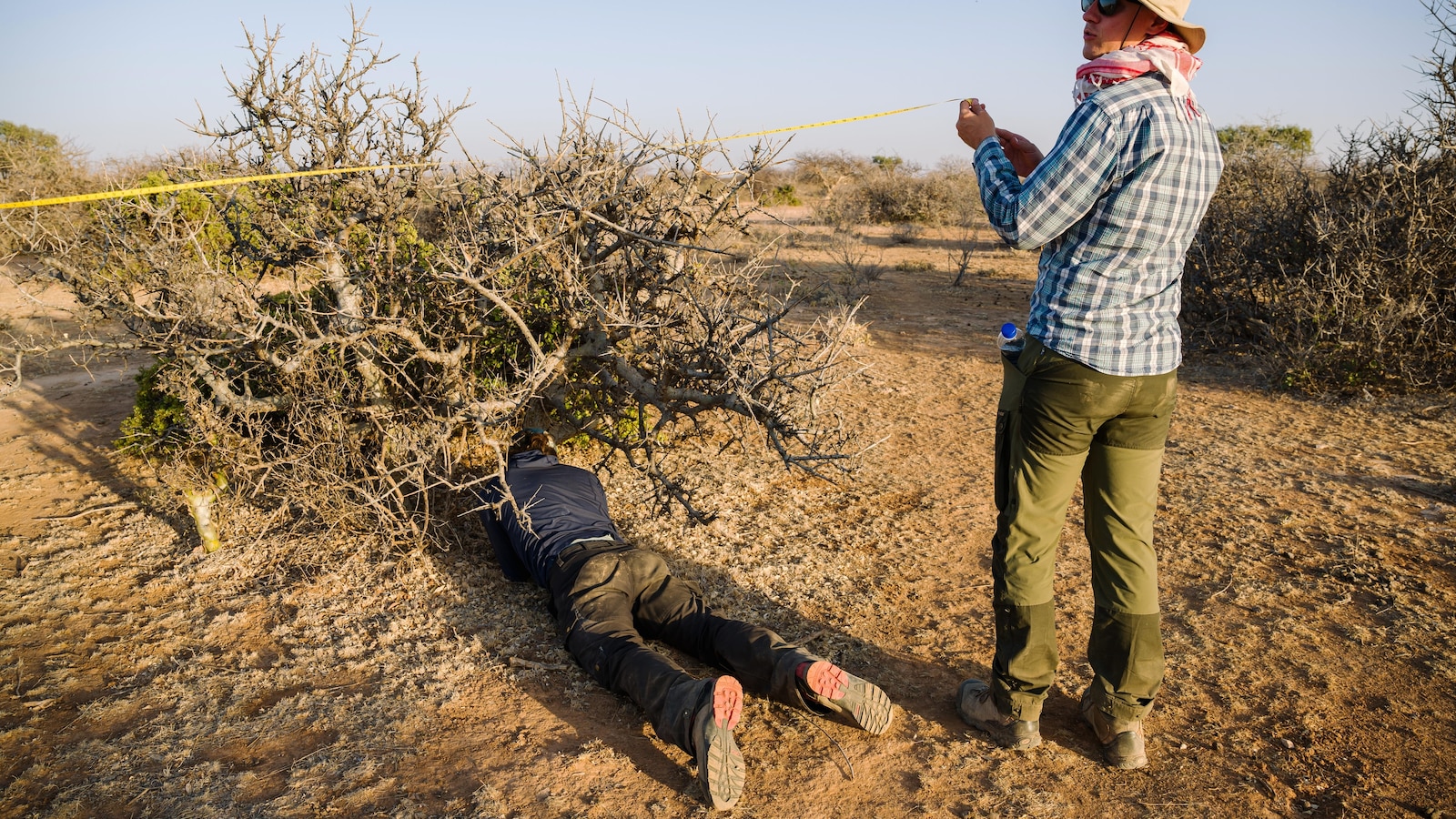
Recognizing these challenges, researchers supported by the American Herbal Products Association traveled to Ethiopia earlier this year to investigate the myrrh supply chain and explore ways to make it more equitable. The research team was led by Anjanette DeCarlo, an expert in sustainable supply chains and resins at the University of Vermont, along with Stephen Johnson, a resin specialist and owner of FairSource Botanicals. Their mission had two primary goals: to document the traditional harvesting practices that have protected these trees for generations, and to find ways to connect harvesters more directly with global markets, thereby ensuring they receive a fairer share of the profits. What the researchers discovered was both encouraging and alarming. On the positive side, they found that local communities have maintained traditional harvesting methods that are remarkably sustainable. Rather than making intentional cuts in the trees to stimulate resin production—a practice that makes trees vulnerable to pests and disease—Ethiopian harvesters collect resin only from naturally occurring wounds. This gentle approach protects the long-term health of the trees and produces the highest quality resin. As DeCarlo noted, “Traditional practice is in balance and protects trees. It should be celebrated.” Abdinasir Abdikadir Aweys, a senior researcher with the Somali Regional Pastoral and Agro-Pastoral Research Institute who joined the team, reported that local communities expressed hope that direct market access would help them secure better prices and sustainable livelihoods.
A Historic Drought Threatens Trees and Livelihoods
Despite these sustainable practices, the research team encountered a crisis that traditional knowledge cannot solve: the devastating impact of climate change. The region has experienced failing annual rains over the past several years, a pattern briefly interrupted by catastrophic flooding in 2023 before the drought resumed. While this arid region has always experienced periodic droughts, experts agree that the current situation is unprecedented and directly linked to changing climate patterns. The impact on myrrh trees is becoming increasingly severe. Adult trees, while generally still healthy, are producing significantly less resin than before. More concerning for the long-term future, young trees are failing to establish themselves and mature. The problem is multifaceted: without adequate rainfall, seedlings simply cannot survive in the harsh environment. But the drought creates another threat as well. Local elder Mohamed Osman Miyir explained that children grazing starving livestock often uproot myrrh seedlings, and the hungry animals eat the buds of young trees. “We are deeply worried about the declining population of myrrh trees,” he said, expressing a concern shared throughout the community. DeCarlo’s assessment was sobering: if proper rains don’t return, even the adult trees that have survived so far will eventually die, bringing an end to centuries of traditional harvesting.
Daily Survival in a Water-Scarce Landscape
The drought has transformed daily life in these communities, making the simple necessity of water a constant, exhausting challenge. Villagers spend their days hauling water for themselves and their animals across a landscape of parched, cracked earth. The severity of the water shortage is evident in the extraordinary distances herders must travel: some come as far as 200 kilometers to reach Sanqotor village, one of the few locations with a functioning well. Local headman Ali Mohamed oversees a daily scene of desperate need at the village well, where hundreds of livestock crowd together awaiting their turn. Following local customs of hospitality, “guests water animals first, then the villagers,” Mohamed explained—a practice that speaks to the communal values that persist even in times of severe hardship. The economic stratification within these communities has become more pronounced as the crisis deepens. Those with livestock have at least something to sell or trade for food and other necessities. But the poorest residents, who own no animals, depend entirely on harvesting tree resins like myrrh for their survival. As the trees produce less and fewer survive, these most vulnerable community members face an increasingly uncertain future.
A Call for Connection Between Global Markets and Local Communities
The situation in Ethiopia’s myrrh-producing regions represents a broader challenge facing communities worldwide that sustainably harvest valuable natural products. As global interest in natural remedies and ingredients grows, there is increasing curiosity about myrrh’s potential uses beyond perfume and traditional applications. This presents both an opportunity and a responsibility for international markets. The research team’s work aims to create more direct connections between these communities and the companies that ultimately profit from their careful stewardship of myrrh trees. By eliminating layers of middlemen in the opaque supply chain, harvesters could receive prices that better reflect the true value of their work and the sustainable practices they maintain. Fair compensation would not only improve immediate livelihoods but could also support community-based conservation efforts for the remaining trees. However, economic solutions alone cannot address the fundamental threat posed by climate change. The historic drought affecting the Horn of Africa requires international attention and action, as the communities least responsible for global emissions find themselves on the frontlines of climate impacts. The story of myrrh connects luxury consumers in wealthy nations to vulnerable communities in one of the world’s harshest environments, raising questions about sustainability, equity, and our collective responsibility to both people and ecosystems facing climate crisis. As adult trees struggle and young ones fail to establish, time is running out to preserve both an ancient tradition and the communities that depend on it.