
Congressional Interview Reveals Deep Tensions Over Iran Conflict and Presidential Strategy
Growing Public Skepticism Over Military Action
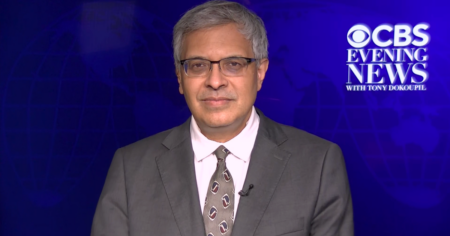
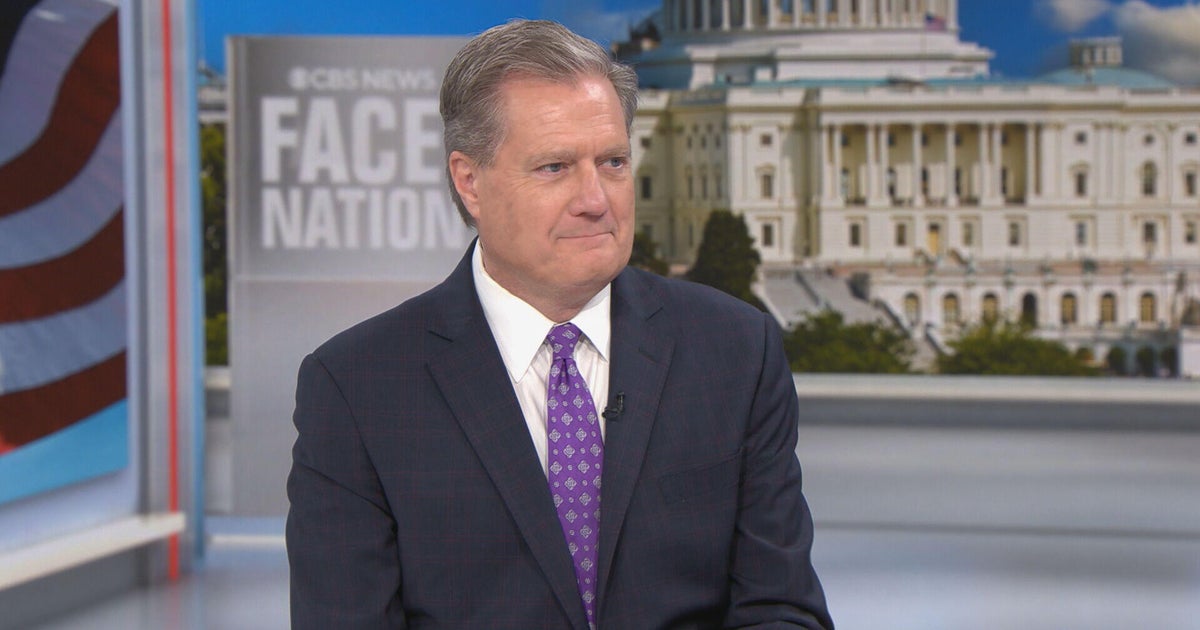
In a revealing interview on “Face the Nation,” Republican Congressman Mike Turner of Ohio faced tough questions about the ongoing military conflict with Iran and the administration’s handling of a situation that has left most Americans deeply concerned. The interview, conducted by Margaret Brennan, exposed the complex challenge facing lawmakers who must defend a military engagement that polling shows 64% of Americans disapprove of, with 62% believing the President lacks a clear plan. For Turner, who represents Dayton, Ohio, and is currently running for re-election, these aren’t just abstract numbers—they represent constituents dealing with gas prices that have jumped a full dollar compared to the previous year. The congressman’s task was unenviable: explain to worried Americans why this conflict matters enough to accept its economic consequences, and why the administration’s seemingly contradictory statements should inspire confidence rather than concern. His responses revealed both the administration’s core argument—that preventing Iran from obtaining nuclear weapons justifies the current military action—and the difficulty of selling that message to a war-weary public that has grown skeptical of Middle Eastern military entanglements.
The Nuclear Ambition Justification
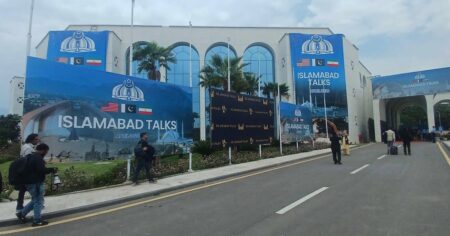
Congressman Turner’s central argument throughout the interview focused on what he described as an immediate existential threat: Iran’s pursuit of nuclear weapons capability. He pointed to statements from Grossi, the director of the International Atomic Energy Agency (IAEA), claiming Iran was “weeks away” from having sufficient material for a nuclear bomb. According to Turner, recent negotiations broke down specifically because Iran refused to declare it would not pursue nuclear weapons—a revelation he characterized as sending “a chill through Europe and around the world.” This justification harkened back to the Obama-era Joint Comprehensive Plan of Action (JCPOA), which Turner suggested was merely a plan to “watch them enrich until they get close enough, and then we’ll take military action.” For Turner and administration supporters, the current conflict represents the inevitable confrontation that earlier diplomacy simply postponed. He emphasized that this isn’t merely an American concern but a global security issue, noting that Iran’s missile technology now allows them to reach Europe, as demonstrated when they struck Diego Garcia during the conflict. The congressman’s position was unequivocal: trading lower gas prices for allowing a “terrorist regime” to obtain nuclear weapons would be an unacceptable bargain, regardless of what polling numbers might suggest about public opinion.
The Communication Crisis and Strategic Confusion
Perhaps the most damaging portion of the interview came when Brennan systematically laid out the President’s contradictory statements regarding the Strait of Hormuz—the narrow waterway whose closure has contributed significantly to spiking energy prices. The timeline she presented painted a picture of policy chaos: on March 3, the President committed to escorting tankers “no matter what”; six days later, he was “still thinking about” taking control of the strait; by March 15, he called it “someone else’s problem” that allies should handle; six days after that, he threatened to attack Iran’s power plants if the strait wasn’t opened within 48 hours; then blamed NATO allies for disappointment; announced a two-week ceasefire claiming Iran had agreed to open the strait; and most recently announced both mine-clearing operations and a naval blockade—contradictory actions that left observers confused about actual military objectives. Turner struggled to defend this inconsistency, falling back on the argument that “conflict is going to be fluid” and that “your adversary has a vote in this too.” His responses suggested either that he himself wasn’t fully informed about the administration’s strategy or that he was attempting to defend the indefensible—a series of reactive policy announcements rather than a coherent strategic plan. This communication breakdown goes directly to the heart of why Americans report feeling confused about the war’s objectives and uncertain about its necessity.
Congressional Oversight Questions
The interview also exposed troubling gaps in congressional oversight of the military action. When Brennan pointed out that Congress had been in session for only 11 days since the war began and that there had been no congressional hearings specifically on this conflict, Turner’s defense seemed weak. He claimed there had been “classified briefings” and that “hearings on Iran’s nuclear ambitions” had occurred “for decades”—responses that dodged the specific question about oversight of this particular military engagement. The congressman acknowledged that the Chairman of the Armed Services Committee had “chastised the department on needing to provide Congress with more information,” an admission that essentially confirmed Brennan’s point about inadequate briefings. Most tellingly, when asked whether he knew what the President meant by “blockading” the Strait of Hormuz—a major strategic shift announced that very morning—Turner admitted he had no information because “it was just announced.” For a member of both the Oversight and Armed Services Committees to be learning about major military operations from presidential tweets rather than official briefings represents a concerning breakdown in the constitutional relationship between the executive and legislative branches, particularly during wartime when Congress is supposed to serve as a check on presidential military authority.
The Political Challenge for Republicans
Turner’s appearance highlighted the delicate position facing Republicans who must simultaneously support their party’s administration while facing constituents frustrated by economic consequences and apparent strategic confusion. His repeated attempts to pivot back to the nuclear weapons justification whenever Brennan raised specific policy questions revealed a lawmaker working from talking points rather than detailed briefings. The fact that Brennan noted only members of the President’s party were available to answer questions—with no administration officials willing to appear—suggested a White House strategy of using congressional allies as shields rather than directly defending its decisions to the public. For Turner personally, running for re-election in Ohio while defending unpopular policies represents exactly the kind of political vulnerability that can end congressional careers. His constituents in Dayton are experiencing real economic pain from higher energy prices, yet he’s asking them to trust that these sacrifices serve a greater purpose—preventing Iranian nuclear weapons—even as the administration’s own statements suggest military action alone cannot achieve that goal. The disconnect between Turner’s confidence in the mission and the polling showing deep public skepticism suggests either that he possesses information that would reassure voters if declassified, or that he’s attempting to project certainty about a policy that even insiders recognize as problematic.
The Broader Implications for American Foreign Policy
This interview encapsulates larger questions about American military engagement in the post-Iraq and Afghanistan era. The American public has grown deeply skeptical of open-ended Middle Eastern conflicts justified by potential future threats rather than immediate attacks on American interests. Turner’s argument that “no conflict ever polls well” dismisses legitimate public concerns about whether military action represents the best approach to the Iranian nuclear issue. Brennan’s pointed observation that “the negotiation itself is proof of the fact that militarily, you cannot achieve destruction of nuclear ambition” captured a fundamental tension: if the ultimate goal requires Iran to choose not to pursue nuclear weapons, then military strikes can only delay rather than resolve the underlying problem. The congressman’s inability to articulate what victory looks like beyond vague assurances that negotiations continue even as the “war is won” leaves Americans unclear about when this conflict might end or what would constitute success. As gas prices rise and the economic costs mount, voters are increasingly asking whether the same goals might be achieved through sustained diplomatic pressure, international sanctions, and coalition-building rather than military action that has yet to produce the diplomatic breakthrough that administration officials themselves acknowledge is necessary for a lasting solution.