
High-Stakes Diplomacy: America’s Bold Strategy to Prevent a Nuclear Iran
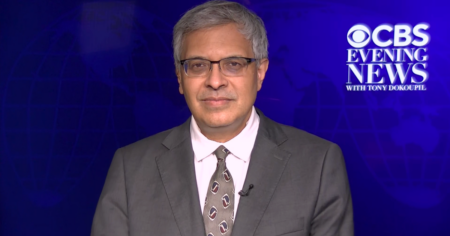
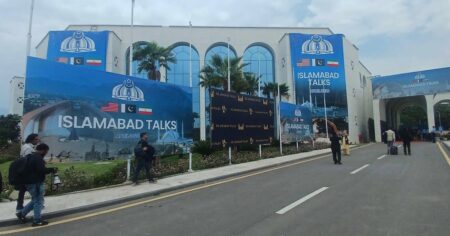
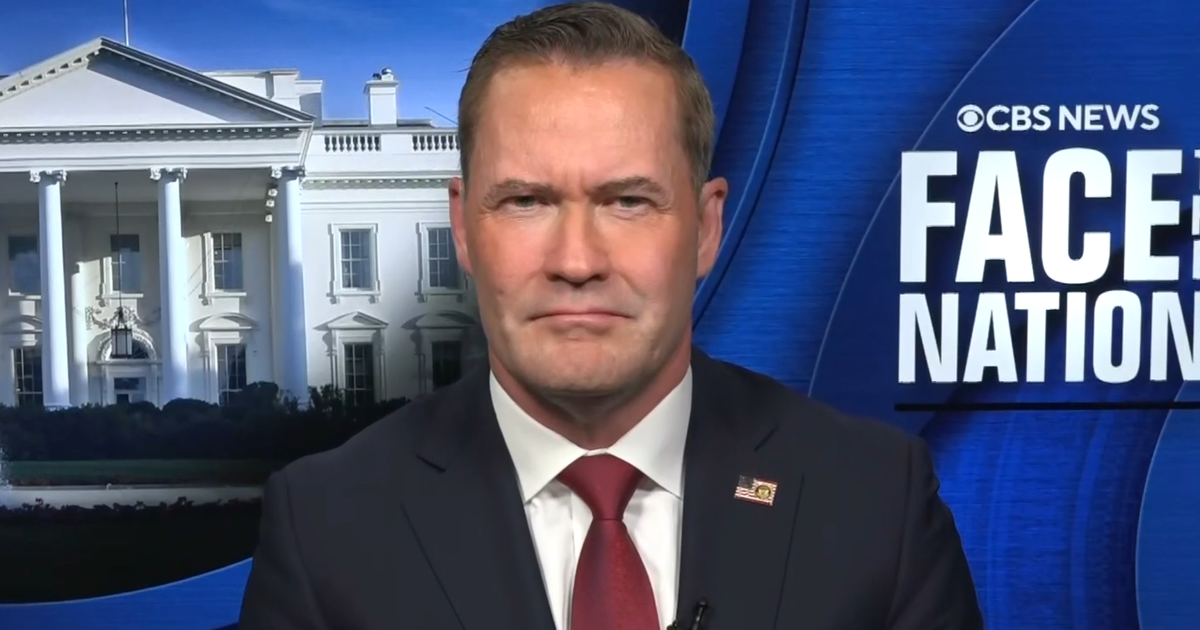
In a revealing interview on CBS’s “Face the Nation,” U.S. Ambassador to the United Nations Mike Waltz laid out the Trump administration’s comprehensive approach to neutralizing Iran’s nuclear ambitions while the Middle East teeters on the edge of broader conflict. Speaking from New York, Waltz painted a picture of an Iranian regime in disarray, economically devastated and diplomatically isolated, yet still dangerous. The conversation revealed the delicate balance America is trying to strike—pursuing aggressive economic and military pressure while simultaneously offering Iran what officials describe as a reasonable diplomatic off-ramp. With Vice President negotiations potentially heading to Islamabad, the administration is betting that maximum pressure will force Tehran to finally abandon its pursuit of nuclear weapons, a goal that has eluded American presidents for decades.
A Region Transformed Through Strength
Ambassador Waltz opened by highlighting what he characterized as historic achievements resulting from the administration’s approach. According to him, the U.S. Navy now effectively controls what passes through the strategic Strait of Hormuz, the vital waterway through which much of the world’s oil flows. He emphasized that Iran has never been more isolated at the United Nations, with 135 nations recently condemning Tehran for attacks on civilian infrastructure. The ambassador pointed to rising markets and relatively stable oil prices as evidence that the strategy is working without catastrophic economic consequences. Perhaps most significantly, he noted that ceasefire talks between Israel and Lebanon—the first direct negotiations in modern history—represent a “tremendous historic opportunity” for Lebanon to reclaim its sovereignty from Hezbollah’s grip. This transformation, Waltz suggested, stems directly from projecting American military strength while simultaneously pursuing diplomatic solutions, a approach the administration believes validates their philosophy of “peace through strength.”
The Chaos Within Tehran’s Power Structure
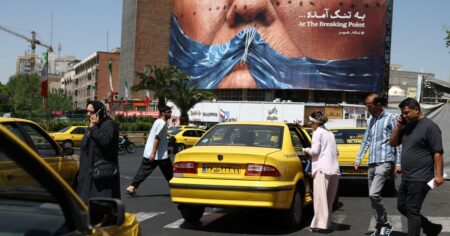
One of the most striking revelations from the interview concerned the apparent confusion and power struggles currently roiling Iran’s leadership. When pressed by host Margaret Brennan about who actually speaks for Iran, Waltz acknowledged the “chaos” within the regime. Over a chaotic 48-hour period, Iran’s foreign minister announced they would stop attacking commercial shipping, only to have the Islamic Revolutionary Guard Corps (IRGC) contradict that statement and then actually attack vessels—a move President Trump called an “absolute violation” of ceasefire terms. Intelligence reports suggest that IRGC Commander General Vahidi may have consolidated control over both military operations and negotiations, potentially sidelining Foreign Minister Araghchi. This raises a crucial question: if the diplomatic and military wings of Iran’s government are sending contradictory signals, who has the authority to make a deal stick? Waltz’s answer reflected both the opportunity and the danger of the moment—Iran’s leadership crisis, he suggested, results from devastating American strikes on their command structure, but it also means Washington must approach any agreement with extreme skepticism and demand ironclad verification mechanisms.
Trust Nothing, Verify Everything
Given Iran’s history of deception regarding its nuclear program, Ambassador Waltz made crystal clear that any agreement would require unprecedented verification and enforcement mechanisms. He specifically mentioned extensive discussions with the International Atomic Energy Agency (IAEA), the UN’s nuclear watchdog, which would play a central role in monitoring Iranian compliance. “There is no trust on this side,” Waltz stated bluntly, emphasizing that “verified and enforceable provisions” would be non-negotiable elements of any deal. This represents a sharp departure from the 2015 Joint Comprehensive Plan of Action (JCPOA), which President Trump withdrew from during his first term, citing Iran’s concealment of nuclear sites and capabilities. The ambassador pointed to dozens of UN resolutions over the years declaring that Iran cannot possess nuclear weapons, along with “snapback provisions” that would automatically reimpose global sanctions if Tehran violates terms. While Waltz didn’t commit to submitting a final agreement to the UN Security Council for formal approval, he suggested that changing existing resolutions would require international consultation. The underlying message was unmistakable: America has been burned before by Iranian promises, and this time, the verification regime will have real teeth, with consequences for violations that are automatic rather than subject to endless diplomatic wrangling.
The Confusion of Conflicting Signals
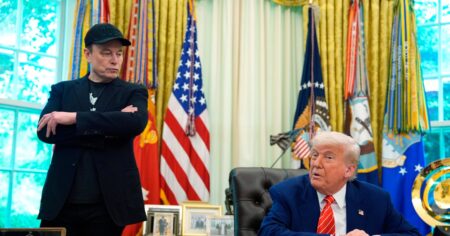
Perhaps the most awkward moment in the interview came when Brennan asked Waltz to reconcile contradictory statements from President Trump himself. On Friday, the President told CBS that Iran had “agreed to everything,” including stopping uranium enrichment forever and ceasing support for proxy groups like Hezbollah—making it sound like a done deal. Yet just days later, Trump posted on social media that he “hopes” Iran takes the deal, suggesting negotiations are very much ongoing. When confronted with this discrepancy, Waltz fell back on the explanation that “anybody who has dealt with the Iranians will tell you it is often two steps forward, three steps back.” He described the Iranian negotiating style as “incredibly slippery,” noting they cannot be trusted and have cheated repeatedly in the past. This careful answer seemed designed to give the President cover for his optimistic Friday comments without completely contradicting them—perhaps Trump was describing one faction’s position, or perhaps he was engaging in aspirational public diplomacy meant to put pressure on Tehran. Whatever the explanation, the exchange highlighted the genuine uncertainty surrounding these negotiations and the difficulty of reading signals from a regime that may itself be divided about the best path forward.
Economic Warfare and Military Options
Beyond the diplomatic track, Waltz outlined an aggressive multi-pronged campaign to squeeze Iran into compliance. The administration has announced “Operation Economic Fury,” which threatens secondary sanctions against banks that process transactions involving illegal Iranian oil sales—a move that would hit Chinese financial institutions particularly hard, since Beijing is Tehran’s largest oil customer. The U.S. is also targeting Iran’s “shadow fleet” of vessels that illegally transport oil, including ships owned by relatives of Supreme Leader Khamenei himself. General Kenneth McKenzie told Congress that despite recent strikes, Iran still possesses thousands of missiles and attack drones capable of threatening American interests, meaning the military threat hasn’t been completely neutralized. When asked about the timeline for boarding vessels carrying Iranian oil to China, Waltz declined to provide operational details but insisted “all options are on the table.” President Trump has publicly discussed bombing Iranian power plants if negotiations fail, and Waltz defended such targets as “legitimate military targets” run by the IRGC, rejecting criticism that such strikes would constitute war crimes. The ambassador’s careful non-denial of military options suggested the administration genuinely is prepared to escalate if diplomacy fails, though he expressed hope that Iran would “do it the easy way, rather than the hard way.”
Regional Realignment and Israeli Restraint
The interview concluded with discussion of the dramatic changes sweeping the broader Middle East, particularly regarding Lebanon and Israel’s role there. In a surprising statement, President Trump declared that Israel “will not be bombing Lebanon any longer” and is “prohibited from doing so by the USA.” When pressed on how America would enforce such a prohibition on an ally, Waltz pivoted to discussing American support for the Lebanese Armed Forces, which have received over $250 million in U.S. assistance. He framed the current moment as a “tremendous historic opportunity” for Lebanon’s government to reclaim sovereignty now that Hezbollah has been severely weakened by Israeli operations, including the infamous pager and beeper attacks. The opening of direct Israel-Lebanon talks represents an unprecedented development that Waltz clearly views as validation of the administration’s approach. Yet the question of how Washington would actually restrain Israel from conducting operations it deems necessary for its security remained unanswered. This highlights a persistent tension in U.S. Middle East policy—supporting Israel’s right to self-defense while trying to prevent regional escalation that could draw America into a wider war. As negotiations continue in multiple capitals, the world watches to see whether this high-stakes gamble of maximum pressure combined with diplomatic engagement will achieve what has eluded policymakers for decades: a Middle East where Iran permanently abandons its nuclear ambitions and the threat of catastrophic regional war finally recedes.