

White House Scrambles as Economic Concerns Threaten GOP’s Midterm Prospects
Growing Anxiety Behind Closed Doors
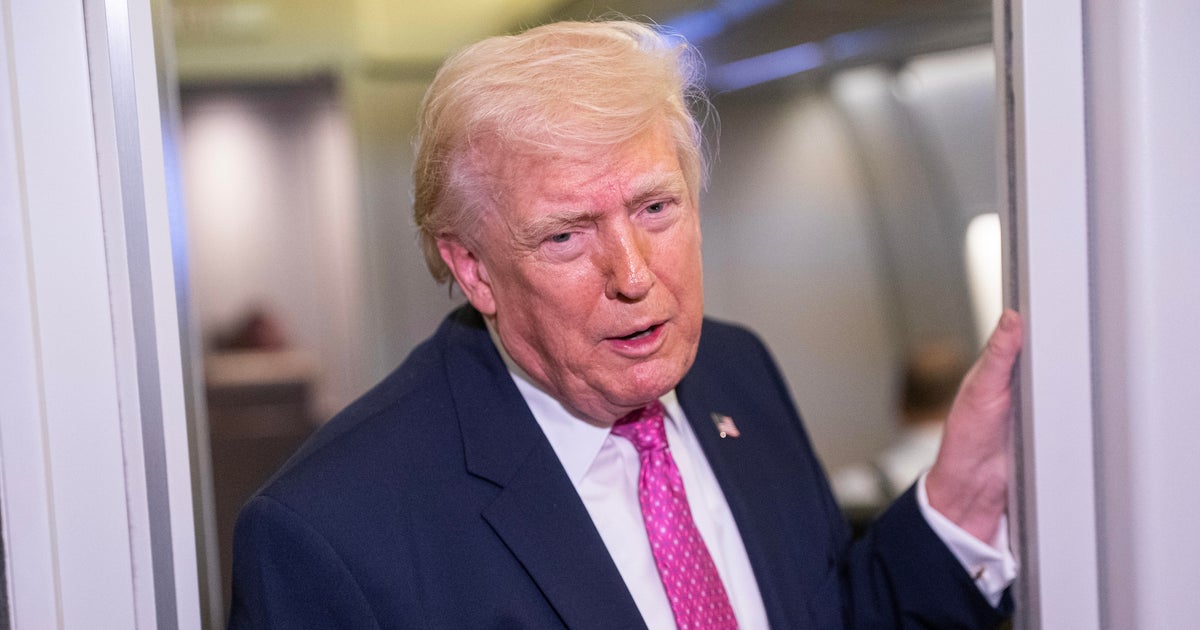
The corridors of the White House have been buzzing with worry lately, as President Trump’s senior advisors grapple with troubling poll numbers that paint a concerning picture ahead of the midterm elections. According to sources familiar with the ongoing discussions, top officials including chief of staff Susie Wiles and deputy chief of staff James Blair have been holding regular strategy sessions with the president, poring over the latest polling data that reveals deepening voter dissatisfaction. The mood inside the administration reflects a growing recognition that without a significant course correction, Republicans could face substantial losses when Americans head to the polls. While party insiders believe the Senate remains within their grasp, the House of Representatives presents a much more daunting challenge. These private conversations reveal an administration acutely aware that the political landscape has shifted beneath their feet, largely due to economic anxieties that have taken root among key voting blocs, particularly independent voters who historically swing elections.
The Economic Storm Brewing for Voters
At the heart of the White House’s concerns lies a perfect storm of economic pressures that are hitting American families where it hurts most—their wallets. The recent implementation of tariffs under the Trump administration has sent ripples of uncertainty through global markets, contributing to rising costs that everyday Americans are feeling immediately. Perhaps nothing captures this economic anxiety more vividly than what’s happening at the gas pump. For the first time since 2022, the average price of gasoline across the United States has climbed above the psychologically significant $4 per gallon mark, according to data from AAA. This spike comes at a particularly sensitive time, coinciding with U.S. military operations against Iran that have added further instability to energy markets. For millions of Americans who depend on their vehicles for work, school, and daily life, these rising fuel costs represent more than just numbers—they translate to difficult household budget decisions, cutting into money that might otherwise go toward groceries, savings, or family activities. The CBS News polling data underscores just how much these economic pressures are shaping public opinion, with the majority of Americans reporting that gas prices in their local areas are climbing, and this reality is fundamentally coloring how they view the broader economy and the administration’s handling of it.
The Independent Voter Problem
Perhaps the most alarming signal for Republican strategists is the erosion of support among independent voters, that crucial swing demographic that often determines electoral outcomes. Recent CBS News polling reveals a stark picture: President Trump’s approval rating among independents has plummeted to just 31%, with a striking 69% expressing disapproval. These numbers represent a significant political liability, as independent voters typically hold the keys to competitive districts and states. Unlike the president’s base of Republican supporters, who continue to back him strongly, independents appear increasingly anxious about the economic direction of the country under his leadership. Their concerns center primarily on pocketbook issues—the rising cost of living, uncertainty about job security in an increasingly volatile trade environment, and fears about what the future holds for their families’ financial stability. This demographic’s dissatisfaction has become a central focus of the White House’s internal discussions, as advisors recognize that without winning back at least a portion of these voters, the path to maintaining congressional majorities becomes extraordinarily narrow. The challenge facing the administration is that independents tend to be less ideological and more results-oriented; they’re less interested in political messaging and more focused on tangible improvements in their daily lives.
The Administration’s Response Strategy
Faced with these daunting poll numbers, the White House has been working overtime to develop initiatives aimed at easing the financial burden on American families. Chief of staff Susie Wiles has been particularly active in this effort, repeatedly reaching out to administration officials across various departments, essentially putting out a call for ideas—any ideas—that could help lower costs for consumers. This has been an ongoing directive since the early days of Trump’s second term, but the urgency has intensified as the political stakes have become clearer. The administration’s communication strategy has focused on framing current economic difficulties as temporary disruptions that are necessary steps toward longer-term prosperity. White House press secretary Karoline Leavitt pointed to “Operation Epic Fury,” the military action against Iran, suggesting that once this operation concludes, gas prices will drop significantly, returning to what she characterized as the multi-year lows that Americans enjoyed before these recent developments. Spokesman Kush Desai echoed this messaging, emphasizing that the president has always been transparent about short-term disruptions while maintaining that the administration has a comprehensive plan to restore what he called “long-term working-class prosperity.” Desai highlighted various initiatives the administration has either implemented or proposed, including multiple executive orders targeting housing affordability, the TrumpRx.gov platform aimed at lowering prescription drug costs, proposals to eliminate taxes on tips and overtime pay, and the creation of Trump accounts for children. The administration’s approach essentially asks Americans to look beyond current hardships toward a promised economic renaissance, though whether voters will be patient enough to wait remains an open question.
Public Sentiment and Recession Fears
The challenge for the White House is that American voters are experiencing their economic reality right now, not in some theoretical future, and that reality is causing genuine anxiety. The latest CBS News polling captures a public increasingly worried about where the economy is heading, with fears of a recession ticking upward. Currently, about one-third of Americans say they’re bracing themselves for a recession within the next year—a significant psychological threshold that reflects deepening pessimism about economic prospects. When it comes to the Iran conflict and its impact on fuel prices, Americans have made their position clear: 67% say they are unwilling to pay higher prices at the pump to support military operations in Iran. This finding is particularly telling, as it suggests that even when tied to national security concerns, Americans are prioritizing their immediate economic well-being. The president’s overall approval rating tells a similar story of an electorate that remains largely unconvinced by his leadership. Sitting at 40% or in the low 40s for many months now, with a disapproval rating of 60%, these numbers have remained stubbornly resistant to change despite various events and initiatives. Polling averages compiled by Real Clear Polling show President Trump at his lowest approval rating of his second administration, with just 41% of Americans approving of his performance. While he continues to draw strong support from his Republican base, this loyal backing hasn’t translated into broader national approval, and it’s the broader electorate that will determine whether Republicans can hold onto power in Congress.
The Road Ahead and Midterm Implications
As the midterm elections approach, the political equation facing Republicans is straightforward but daunting: without a significant turnaround in public sentiment on the economy, the party faces the real possibility of losing control of at least one chamber of Congress, if not both. Several officials within the administration have privately conceded this reality, acknowledging that current trending numbers point toward Republican losses unless something changes. The House of Representatives appears particularly vulnerable, with numerous competitive districts where economic anxiety among voters could tip races toward Democratic challengers. The Senate presents a somewhat more favorable landscape for Republicans, with party insiders expressing cautious optimism about retaining control of the upper chamber, likely due to which specific seats are up for election this cycle. The coming months will test whether the administration’s message of short-term pain for long-term gain resonates with an electorate that seems increasingly skeptical. The White House’s frantic search for cost-cutting initiatives and economic relief measures reflects an understanding that voters need to feel tangible improvements, not just hear promises about future prosperity. For independent voters in particular—that crucial swing demographic that has soured on the president—the question will be whether their economic circumstances improve enough to give Republicans another chance, or whether their dissatisfaction will drive them to support Democratic candidates as a referendum on Trump’s economic stewardship. As gas prices hover above $4 per gallon and recession fears percolate through the electorate, time is running short for the administration to reverse these trends and convince Americans that their economic vision deserves continued support at the ballot box.