
Historic Shift: Trump Announces Breakthrough Deal with Iran
A New Chapter in U.S.-Iran Relations
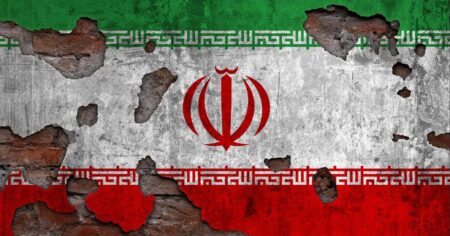
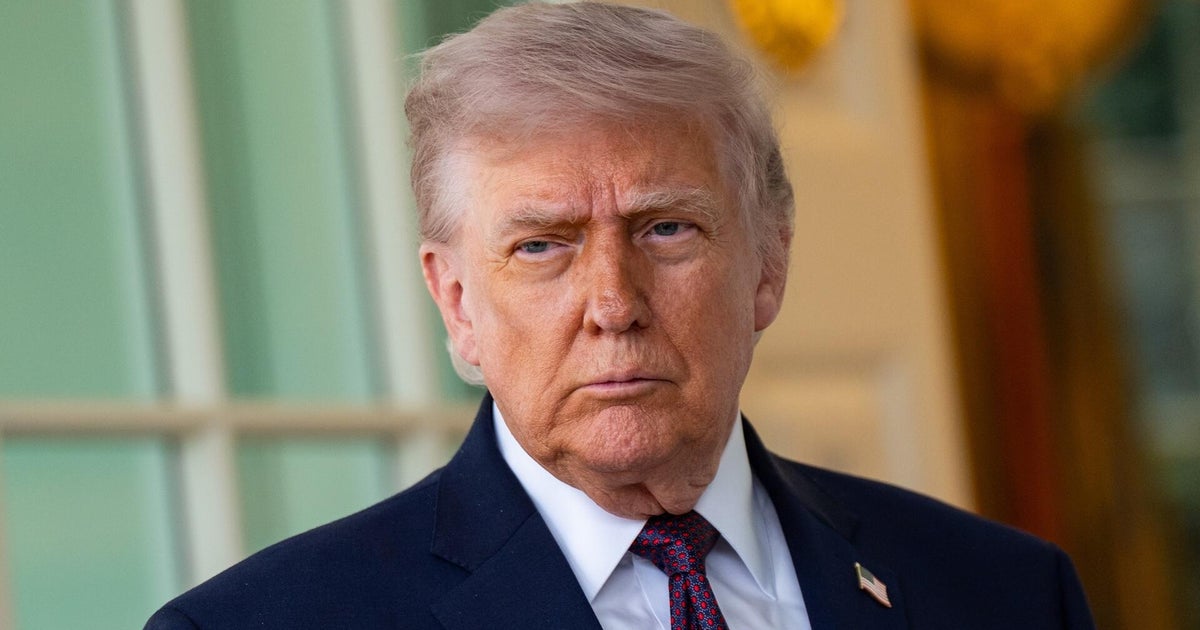
In a surprising development that could reshape Middle Eastern geopolitics, President Trump has announced a potentially groundbreaking agreement with Iran regarding its nuclear program. During a recent phone interview, the President revealed that Iran has “agreed to everything” the United States has proposed, marking what could be the most significant diplomatic breakthrough between the two nations in decades. The deal centers on removing enriched uranium from Iranian territory, a long-standing concern for international security experts and Western nations. This announcement comes after years of escalating tensions, sanctions, and military posturing between Washington and Tehran, suggesting that both sides may finally be ready to step back from the brink of conflict and pursue a diplomatic solution to one of the world’s most persistent security challenges.
The Mechanics of Uranium Removal
When it comes to the actual logistics of removing enriched uranium from Iran, President Trump provided some details while remaining strategically vague on others. He was emphatic that American ground troops would not be deployed for this mission, repeatedly stating “No. No troops” when pressed on the matter. However, the President indicated that “our people” would work alongside Iranian counterparts to retrieve and secure the nuclear material. This collaborative approach represents a significant departure from more aggressive military options that have been discussed in past administrations. The enriched uranium, once secured, will be transported to the United States for safekeeping or disposal. Trump’s description of the process suggests a cooperative effort: “Our people, together with the Iranians are going to work together to go get it. And then we’ll take it to the United States.” This partnership approach, if it comes to fruition, would mark an unprecedented level of cooperation between two nations that have been adversaries for more than four decades.
Beyond Nuclear: Addressing Regional Terrorism
The scope of this reported agreement extends far beyond just nuclear materials. According to President Trump, Iran has also committed to ceasing its support for proxy terrorist organizations throughout the Middle East, including well-known groups like Hezbollah and Hamas. This component of the deal, if verified and implemented, could have massive implications for regional stability. For years, Iran’s backing of these groups has been a major source of conflict and instability across the Middle East, from Lebanon to Gaza, Yemen to Iraq. The United States and its regional allies, particularly Israel and Saudi Arabia, have long demanded that any comprehensive agreement with Iran must address not only its nuclear ambitions but also its support for militant groups that destabilize neighboring countries. If Iran genuinely follows through on this commitment, it could open the door to broader normalization of relations and potentially reduce violence across multiple conflict zones in the region.
Timeline and Continued Pressure
While President Trump’s announcement sounds promising, the deal is clearly not finalized. When asked about when he would formally announce the agreement, Trump indicated that representatives from both sides are scheduled to meet over the weekend to hammer out remaining details. This suggests that while the framework and major components may be agreed upon in principle, important specifics still need to be worked out. In the meantime, the President made it clear that the United States will maintain its current posture of economic and military pressure. “We’ll continue our blockade until we get it done,” Trump stated, referring to the naval blockade and economic sanctions that have been squeezing Iran’s economy. This approach of negotiating while maintaining pressure is a classic diplomatic tactic, ensuring that the other side remains motivated to complete the deal rather than dragging out negotiations indefinitely. It also provides the Trump administration with leverage should Iran attempt to renegotiate terms or delay implementation of any agreed-upon provisions.
Skepticism and Verification Challenges
Despite the optimistic tone of President Trump’s announcement, significant questions remain about the verifiability and durability of any agreement with Iran. The history of U.S.-Iran nuclear negotiations is complicated, most notably with the Joint Comprehensive Plan of Action (JCPOA) that was signed during the Obama administration and later abandoned by Trump himself during his previous term. Critics of engagement with Iran will undoubtedly question whether the Iranian government can be trusted to follow through on its commitments, particularly regarding ending support for terrorist proxies—relationships that have been central to Iran’s regional influence strategy for decades. The vagueness around who exactly “our people” are that will retrieve the uranium also raises practical questions. Will these be inspectors from the International Atomic Energy Agency (IAEA)? Department of Energy specialists? Private contractors? The lack of specificity may be intentional to maintain operational security, but it also leaves room for uncertainty about how this unprecedented operation would actually unfold. Additionally, Congress will likely demand a role in reviewing and approving any formal agreement, which could complicate or delay implementation.
Potential Impact and What Comes Next
If this deal moves forward as described, its implications could be transformative for international relations, regional security, and global nuclear non-proliferation efforts. For the United States, successfully removing enriched uranium from Iran and ending Tehran’s support for terrorist groups would represent a major foreign policy victory and could reduce the risk of military conflict in the Persian Gulf. For Iran, cooperation on these issues could lead to sanctions relief and economic recovery for a nation that has suffered under international isolation for years. The broader Middle East could see reduced tensions and possibly even new economic partnerships if Iran genuinely shifts away from its confrontational posture. However, skeptics will remain cautious until concrete actions replace promises, and verification mechanisms are established and tested. The weekend meetings that Trump referenced will be crucial in determining whether this announcement represents a genuine breakthrough or merely another chapter in the long, complicated saga of U.S.-Iran relations. As the situation develops, the world will be watching closely to see if these two old adversaries can truly find common ground and step back from decades of hostility toward a more cooperative future.