
Iran Warns U.S. Over Israel’s Actions in Lebanon Amid Fragile Ceasefire
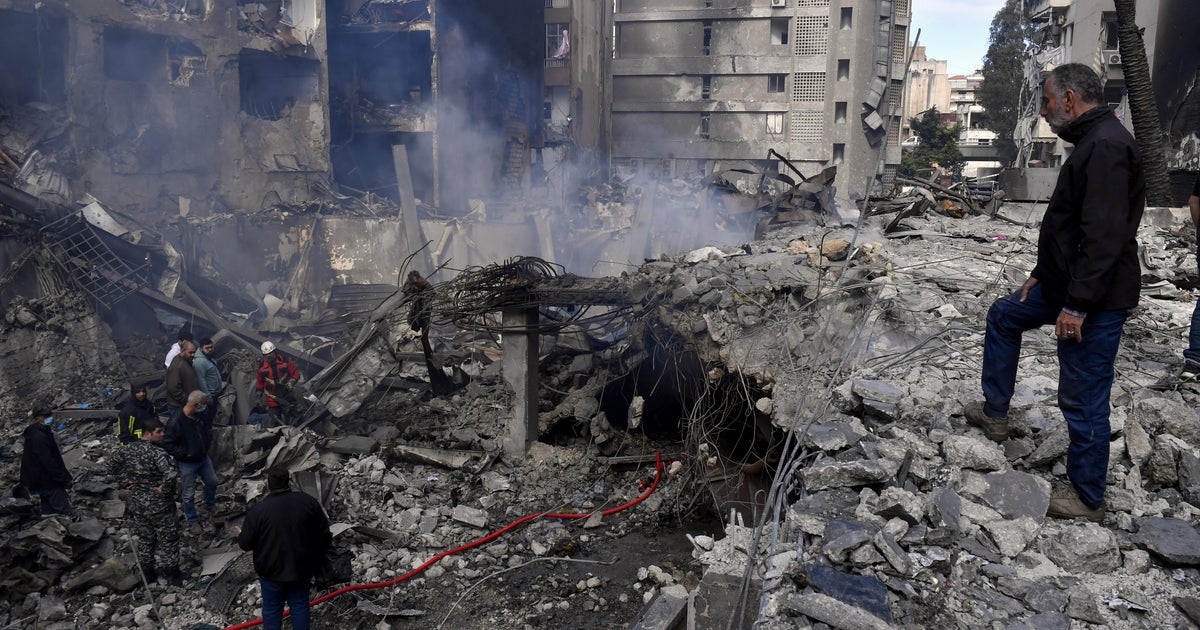
In a pointed interview with the BBC, Iran’s deputy foreign minister Saeed Khatibzadeh delivered a stern message to the United States regarding Israel’s military operations in Lebanon this week. Speaking candidly about the deteriorating situation in the Middle East, Khatibzadeh characterized Israel’s Wednesday attacks on Lebanese territory as “a grave violation” of the recently negotiated ceasefire agreement. His comments underscore the deep frustration felt in Tehran over what Iranian officials perceive as contradictory American foreign policy in the region. The deputy minister put the issue in stark terms for Washington, insisting that the United States must make a fundamental choice between pursuing peace or accepting continued conflict. “You cannot ask for a ceasefire and then accept terms and conditions, accept areas the ceasefire is applied to, and name Lebanon, exactly Lebanon in that, and then your ally just start a massacre,” Khatibzadeh stated bluntly. His words reflect Iran’s position that the United States cannot credibly advocate for peaceful resolution while simultaneously supporting Israeli military actions that undermine those very agreements. This diplomatic tension highlights the complex web of alliances and proxy relationships that define modern Middle Eastern geopolitics, where the actions of one party inevitably affect the interests and commitments of numerous others.
The Hezbollah Question and Iran’s Relationship with Lebanese Forces
When pressed on whether Iran would instruct Hezbollah—the Lebanese militant organization widely considered to be an Iranian proxy—to cease its rocket attacks on Israeli territory, Khatibzadeh offered a carefully constructed response that both acknowledged and distanced Tehran from the group’s operations. He described Hezbollah as “a pure Lebanese freedom movement,” framing the organization in terms of national resistance rather than Iranian influence. This characterization, while disputed by many Western governments and Israel, reflects how Iran publicly positions its relationship with Hezbollah as one of ideological solidarity rather than operational control. Notably, Khatibzadeh did not outright deny the well-documented fact that Iranian Revolutionary Guard officers provide training and armaments to Hezbollah fighters. This acknowledgment represents a rare moment of partial transparency from an Iranian official regarding Tehran’s military support for regional allies. However, he was quick to emphasize a crucial distinction: “it is not true that they are acting on behalf of us.” According to the deputy minister, Hezbollah operates according to its own strategic imperatives and decision-making processes, even while receiving Iranian support. He further clarified that any agreement reached between the United States and Iran would apply not only to the two principal parties but also to their respective allies throughout the region, suggesting a framework where Iranian influence over groups like Hezbollah would be part of a broader understanding rather than direct command-and-control.
Iran’s Continued Commitment to Diplomatic Resolution Despite Tensions
Despite his strong criticism of Israeli actions and implicit frustration with American policy, Khatibzadeh signaled that Iran has not abandoned the diplomatic process. When discussing the prospects for reaching a comprehensive agreement with the United States, he stated that Iran remained “very much focused on getting [an agreement] done.” This comment is particularly significant given the context of ongoing tensions and mutual accusations between Tehran and Washington. It suggests that Iranian leadership, while deeply skeptical of American intentions, still sees value in pursuing negotiated solutions rather than allowing the situation to spiral into broader military confrontation. The deputy minister’s willingness to express continued commitment to talks, even while cataloging grievances, indicates that pragmatic voices within the Iranian government continue to advocate for diplomatic engagement as the preferred path forward. This balancing act—maintaining principled criticism while keeping communication channels open—has characterized Iran’s diplomatic approach throughout recent negotiations. However, Khatibzadeh’s comments also revealed the conditional nature of this commitment, tied to specific expectations about American behavior and the conduct of its regional allies, particularly Israel. The implication was clear: Iran’s patience with the diplomatic process, while not exhausted, is not unlimited, and continued violations of agreed-upon frameworks could jeopardize the entire negotiating effort.
The Critical Issue of the Strait of Hormuz and Regional Security
A significant portion of Khatibzadeh’s remarks addressed the strategically vital Strait of Hormuz, the narrow waterway through which approximately one-fifth of the world’s oil supply passes. His comments on this topic carry enormous weight given the strait’s critical importance to global energy markets and the history of tensions in these waters. “Definitely, we are going to provide security for safe passage and it is going to happen after the United States actually withdraws this aggression,” Khatibzadeh declared, linking Iranian cooperation on maritime security directly to American military posture in the region. This statement frames the issue as one where Iranian actions are responsive rather than provocative—a narrative that places responsibility for regional instability on American military presence rather than Iranian behavior. The deputy minister outlined Iran’s intention to establish a new “protocol” for ensuring safe passage through the Strait of Hormuz, which would be developed in coordination with Oman, Iran’s neighbor across the strait, and the broader international community. This proposed multilateral approach suggests Iran seeks to position itself as a responsible regional power committed to international norms, while simultaneously asserting its right to determine security arrangements in waters it considers within its sphere of influence. Khatibzadeh emphasized that “energy security is important for Iran, it’s important for this body of water in the Persian Gulf, and we are going to abide by the international norms and international law.” However, he added an important caveat, insisting that any safety measures must be “two-sided,” implying that Iran expects reciprocal security guarantees and respect for its own maritime interests in any agreement governing the strait’s use.
Skepticism and Doubts About Long-Term Peace Prospects
Perhaps most revealing were Khatibzadeh’s candid acknowledgments about Iran’s fundamental uncertainties regarding the possibility of achieving a lasting peace agreement with the United States. The deputy minister stated plainly that Iran harbored “many doubts” about the prospects for a final comprehensive agreement, a remarkably frank admission from a senior diplomat engaged in ongoing negotiations. These doubts, he suggested, stemmed from concerns about American sincerity in the diplomatic process and questions about Washington’s ultimate intentions. Specifically, Khatibzadeh indicated that Iranian officials suspect the United States might merely be exhausting diplomatic channels as a preliminary step before reverting to military options—essentially using talks as diplomatic cover while maintaining plans for eventual military action. This suspicion reflects decades of mutual distrust between the two nations and memories of past negotiations that ultimately failed or were abandoned. The deputy minister also expressed concern that American negotiators might be “dictating and not compromising,” suggesting that Tehran perceives an imbalance in the negotiating dynamic where the United States expects Iranian concessions without offering reciprocal flexibility. These doubts illustrate the profound challenge facing diplomats on both sides: even when both parties profess commitment to negotiation, deep-seated mistrust and competing interpretations of events can undermine progress and make reaching durable agreements extremely difficult.
The Broader Context: Walking a Tightrope Between War and Peace
Khatibzadeh’s interview, taken as a whole, paints a picture of Iran attempting to navigate an extremely complex and dangerous regional environment while maintaining both its principles and its pragmatism. On one hand, Iranian officials feel compelled to respond strongly to what they view as violations of agreements and threats to their interests and those of their allies. On the other hand, they appear to recognize that full-scale confrontation with the United States and its regional partners would be catastrophic for Iran’s already struggling economy and potentially for the regime itself. This explains the somewhat contradictory messages in the deputy minister’s comments—harsh criticism coupled with continued commitment to dialogue, assertions of Iran’s readiness to ensure maritime security combined with conditions that must be met first, support for allied groups like Hezbollah while maintaining some distance from their specific operations. These apparent contradictions actually represent a coherent strategy of maintaining maximum leverage while keeping diplomatic options open, a approach that has characterized Iranian foreign policy for years. As tensions continue to simmer across the Middle East, with periodic flare-ups in Lebanon, ongoing concerns about nuclear negotiations, and the perpetual volatility surrounding critical infrastructure like the Strait of Hormuz, interviews like this one offer valuable insight into how Iranian decision-makers view the regional landscape. Whether the diplomatic process that Khatibzadeh says Iran remains committed to will ultimately succeed depends on many factors beyond any single nation’s control—including the willingness of all parties to move beyond decades of mutual suspicion toward genuine compromise, and the ability of leaders on all sides to resist domestic political pressures that favor confrontation over accommodation.