


Iran’s Participation in 2026 World Cup Hangs in Balance After Diplomatic Talks
White House Extends Olive Branch Despite Escalating Tensions
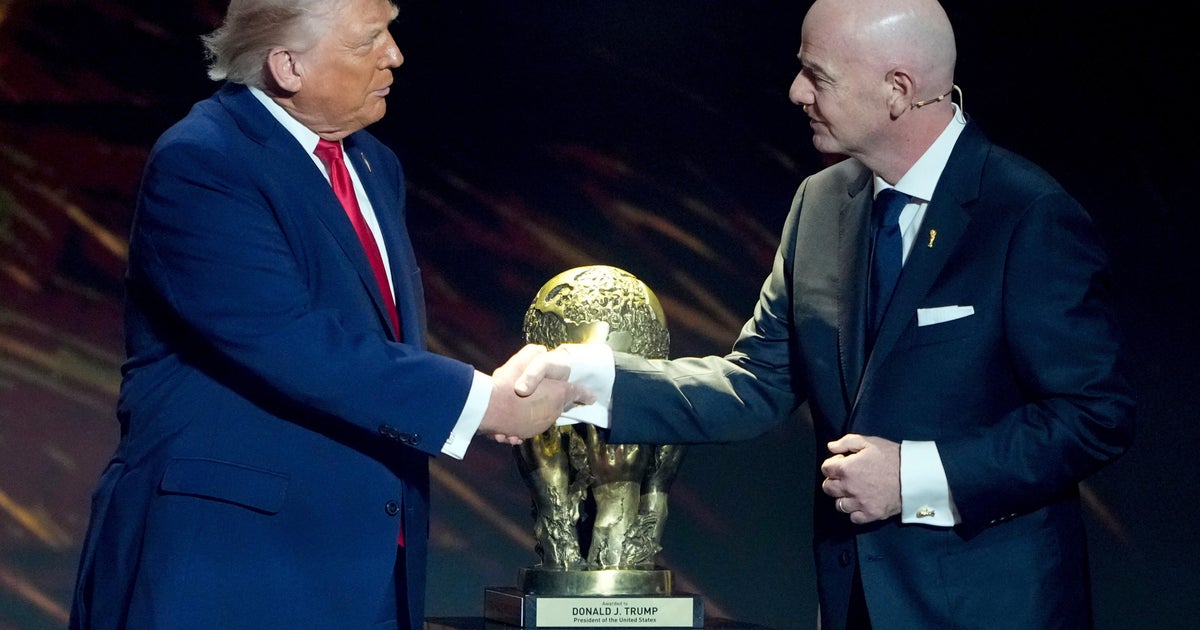
In what could be described as an unexpected diplomatic gesture amid rising international tensions, President Trump made it clear during a Tuesday evening meeting that Iran would be welcome to compete in the upcoming World Cup tournament to be held in the United States. This message was delivered during an Oval Office conversation with FIFA President Gianni Infantino and Andrew Giuliani, who serves as the executive director of the White House FIFA task force. According to officials who spoke with CBS News, the discussion touched on the ongoing conflict, which at that point had entered its twelfth day, creating a complex backdrop for what should have been straightforward sports diplomacy.
The meeting represented a significant moment in the intersection of international sports and geopolitics, with the Trump administration appearing to separate sporting events from the political and military tensions that have characterized U.S.-Iran relations for decades. FIFA President Infantino seemed to embrace this spirit of unity, taking to social media after the meeting to emphasize the power of sports to bridge divides. “We all need an event like the FIFA World Cup to bring people together now more than ever,” he wrote, reflecting the long-held belief that international sporting competitions can serve as neutral ground where nations can compete peacefully regardless of their political differences.
Iran Responds with Firm Rejection
However, the hopeful sentiment expressed by FIFA leadership quickly met with a harsh reality. Iran’s sports minister delivered a swift and unequivocal response to the overture, making it clear that participation in the 2026 World Cup was now impossible given recent military actions. Speaking to state television, the minister referenced U.S.-Israeli airstrikes that resulted in the death of Supreme Leader Ayatollah Ali Khamenei, a event that fundamentally altered the diplomatic landscape. “Considering that this corrupt regime has assassinated our leader, under no circumstances can we participate in the World Cup,” the minister stated, using strong language that left little room for interpretation or negotiation.
This rejection carries particular weight when considering Iran’s strong position in World Cup qualifying. The country had achieved the distinction of being the first nation to qualify for the 2026 tournament, a significant accomplishment that demonstrated their soccer program’s strength and would have been a source of national pride. Yet this athletic achievement now appears overshadowed by geopolitical conflict, illustrating how even the most apolitical of human endeavors—sports competition—cannot always escape the gravity of international relations and military conflict.
The Complexity of Sports Diplomacy
The situation highlights the complicated relationship between sports and politics, particularly when it comes to major international tournaments like the FIFA World Cup. Iran’s absence from a recent planning session held in Atlanta earlier in the month had already raised questions about their participation. According to reports from Politico, every qualified country sent representatives to this important organizational meeting—except Iran. When asked about this notable absence at the time, President Trump had been dismissive, stating “I really don’t care” whether Iran chose to participate, a comment that seemed to reflect a hands-off approach that contrasted with his later welcoming message to FIFA officials.
The scheduling of Iran’s matches adds another layer of complexity to the situation. The team had been slated to play three group stage matches in prominent American cities with significant Iranian diaspora populations. Los Angeles, which hosts one of the largest Iranian communities outside of Iran, was set to host two of these matches—against New Zealand on June 15 and Belgium on June 21. A third match against Egypt was scheduled for June 26 in Seattle, another city with a substantial Iranian-American population. These matches would likely have drawn passionate crowds and created moments of cultural connection for Iranian expatriates, making Iran’s potential absence even more poignant from a human perspective.
Broader Implications for the Tournament
Iran’s possible withdrawal from the tournament creates both practical and symbolic challenges for FIFA and the tournament organizers. From a logistical standpoint, having a qualified team withdraw requires reorganization of the entire group stage, affecting not just Iran’s scheduled opponents but potentially the entire tournament structure. The competitive balance of the tournament could be affected, and the scheduling complications could ripple through multiple venues and affect thousands of fans who had made travel plans around the original fixture list.
Beyond the logistics, there’s a deeper symbolic loss when any nation withdraws from the World Cup due to political conflict. The tournament has long been celebrated as one of the few truly global events where nearly every nation on Earth participates under equal rules, where a small island nation can face off against a global superpower on level terms, and where athletic excellence rather than military or economic might determines success. When geopolitical conflicts prevent teams from participating, it diminishes this universal character and serves as a reminder of the divisions that persist in our world despite efforts at international cooperation and understanding.
Looking Forward: Sports as Both Casualty and Potential Bridge
As the situation continues to develop, it remains to be seen whether diplomatic efforts might create space for Iran’s participation, or whether the wounds are too fresh and deep for sports to serve its traditional role as a bridge between nations. The death of a supreme leader represents a profound moment for any nation, and Iran’s response reflects the genuine trauma and anger that such an event creates among its leadership and population. At the same time, there’s a real loss when athletes who have trained their entire lives for the opportunity to compete on the world’s biggest stage are denied that chance due to circumstances entirely beyond their control.
The situation encapsulates one of the fundamental tensions of our modern world—the question of whether shared human experiences like sports, music, and art can truly transcend political divisions, or whether they are inevitably captured by those same divisions. FIFA’s idealistic vision, expressed through Infantino’s comments about bringing people together, confronts the hard reality that some conflicts cut too deep for a soccer tournament to heal, at least in the immediate term. As the 2026 World Cup approaches, organizers, fans, and the global community will watch to see whether time and diplomacy might yet create conditions for Iran’s participation, or whether this tournament will proceed with a notable absence that serves as a sobering reminder of ongoing international tensions.