
Massive Cocaine Bust at London Port Highlights Global Drug Trafficking Crisis
Record-Breaking Drug Seizures in Under a Month
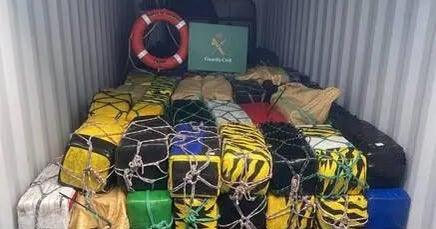
British border agents have pulled off one of the most significant drug busts in recent memory, confiscating approximately five tons of cocaine at a single port facility in less than a month’s time. According to the UK Home Office, which announced the seizures through social media channels, the street value of the intercepted narcotics is estimated at over £400 million, which translates to roughly $538 million in US currency. This staggering haul was discovered at London Gateway, a massive deep-sea container port located approximately 30 miles from the heart of London. As the second-largest port facility in England, London Gateway serves as a critical hub for international shipping, regularly handling enormous container vessels carrying goods from around the world. The sheer volume of legitimate cargo passing through the port daily makes it an attractive target for criminal organizations attempting to smuggle illegal substances into the country, though in this case, their efforts were unsuccessful.
Creative Concealment Methods Fail to Fool Authorities
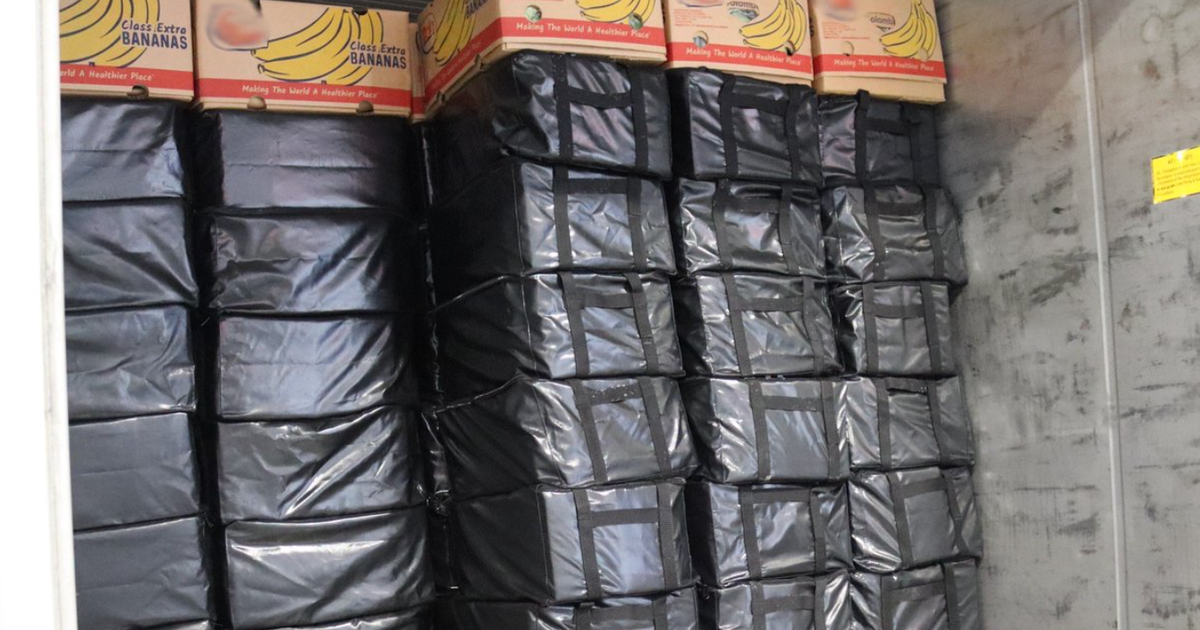
The criminal networks behind these smuggling attempts demonstrated considerable creativity in their efforts to slip past border security, employing various sophisticated concealment techniques designed to blend their illicit cargo with legitimate shipments. The Home Office revealed that these “criminal gangs attempted to evade detection” by strategically hiding their drug packages within other seemingly innocent cargo loads. In one particularly brazen attempt, smugglers concealed cocaine within a shipment of bananas, taking advantage of the high volume of fruit imports entering the country. In another case, traffickers attempted to hide their contraband alongside or within a vat of South American wine, presumably hoping that inspectors would overlook the illegal substances amid the legitimate alcoholic beverage shipment. Photographs released by authorities provide a striking visual documentation of the busts, showing the packaged drugs discovered inside various cargo containers and tucked within legitimate shipments, as well as impressive images of the seized cocaine spread across the floor of a warehouse or processing facility, illustrating the massive scale of the operation.
Part of a Larger Pattern of Port-Based Drug Smuggling
While the London Gateway seizures represent an impressive achievement for British law enforcement, they are far from isolated incidents in the ongoing battle against international drug trafficking through UK ports. The Home Office’s announcement did not include information about whether any arrests had been made in connection with these particular seizures, leaving questions about the investigation’s current status. However, these busts fit into a broader pattern of major drug interdiction efforts at British ports in recent months. Just weeks earlier in March, three men faced charges after allegedly attempting to smuggle cocaine with an estimated value of nearly $100 million through Southampton Docks, another major English port facility. Interestingly, these suspects also employed the banana shipment concealment method, hiding their illegal cargo among the popular tropical fruit. The three arrested individuals are scheduled to make their next court appearance on April 17, where they will face serious drug trafficking charges. The Southampton Docks location has proven to be a particularly active site for drug interdiction efforts, suggesting that criminal organizations view it as a strategic entry point for narcotics into the United Kingdom.
Southampton Docks Emerges as Drug Smuggling Hotspot
The Southampton Docks facility has been the site of several record-breaking drug busts that have captured national attention and demonstrated the persistent efforts of trafficking organizations to flood the British market with cocaine. In February 2024, border agents made what was then described as the country’s largest single seizure of illicit drugs when they discovered more than 12,500 pounds of cocaine hidden within yet another banana shipment passing through Southampton Docks. The sheer quantity of drugs in that single seizure—over six tons—represented an unprecedented haul that temporarily set the benchmark for drug interdiction efforts in the United Kingdom. The fact that this record-breaking bust also involved cocaine concealed within a banana shipment highlights how trafficking organizations repeatedly return to methods that have proven at least partially successful in the past, despite increasing vigilance from border security forces. These repeated large-scale seizures at Southampton Docks suggest that the port’s combination of high shipping volume, strategic location, and perhaps specific vulnerabilities in security protocols make it an attractive target for international drug smuggling operations attempting to establish a foothold in the lucrative British narcotics market.
The Banana Shipment Method: A Global Smuggling Trend
The repeated use of banana shipments as cover for cocaine smuggling is not merely a British phenomenon but rather reflects a global pattern that law enforcement agencies on multiple continents have encountered with increasing frequency. The method’s popularity among drug traffickers stems from several practical considerations: bananas are shipped in enormous quantities worldwide, creating a high volume of legitimate cargo that can potentially overwhelm inspection capabilities; the fruit requires refrigerated containers that may receive less thorough examination; and the packaging and logistics of banana shipping provide multiple opportunities for concealment. Authorities around the world have documented numerous cases of this specific smuggling technique. Greek police seized nearly 600 pounds of cocaine hidden inside a banana shipment in August 2025, demonstrating that European ports beyond the UK face similar challenges. In July of the same year, Russian authorities announced they had confiscated an even larger haul of 1,800 pounds of cocaine concealed beneath bananas entering their country. Even Norway, perhaps not traditionally considered a major target for South American drug cartels, discovered over 320 pounds of cocaine inside a banana shipment in May, after workers at a fruit distribution company stumbled upon a packet of the illegal substance and alerted authorities. These incidents span multiple countries, legal systems, and geographic regions, illustrating how international drug trafficking networks operate across borders and continually probe for weaknesses in various nations’ border security systems.
Ongoing Challenges in the War Against Drug Trafficking
These massive seizures, while representing significant victories for law enforcement, also underscore the daunting challenges facing authorities in the ongoing battle against international drug trafficking. The fact that criminal organizations can accumulate and attempt to smuggle such enormous quantities of cocaine—five tons in less than a month at a single port—speaks to both the scale of drug production in source countries and the sophisticated logistics networks that traffickers have established to move their products. The street value of over half a billion dollars for just one month’s seizures at one location suggests that the overall drug trade involves astronomical sums of money that can fund elaborate smuggling operations, corrupt officials, and absorb the occasional loss when shipments are intercepted. For every successful bust, authorities must wonder how many similar shipments slip through undetected, reaching distribution networks and ultimately contributing to addiction, crime, and social harm throughout the United Kingdom and beyond. The repeated attempts at the same ports, using similar concealment methods, indicate that traffickers view these routes as sufficiently profitable that even occasional seizures are simply calculated as a cost of doing business rather than a deterrent. Moving forward, border security agencies will need to continue investing in advanced detection technology, intelligence-sharing agreements with international partners, and training for personnel who inspect the countless containers arriving daily at busy ports, all while trafficking organizations adapt their methods and seek new vulnerabilities to exploit in the global shipping system.