


Major Drug Bust Highlights Complex US-Mexico Security Partnership
Massive Cocaine Seizure in Pacific Waters
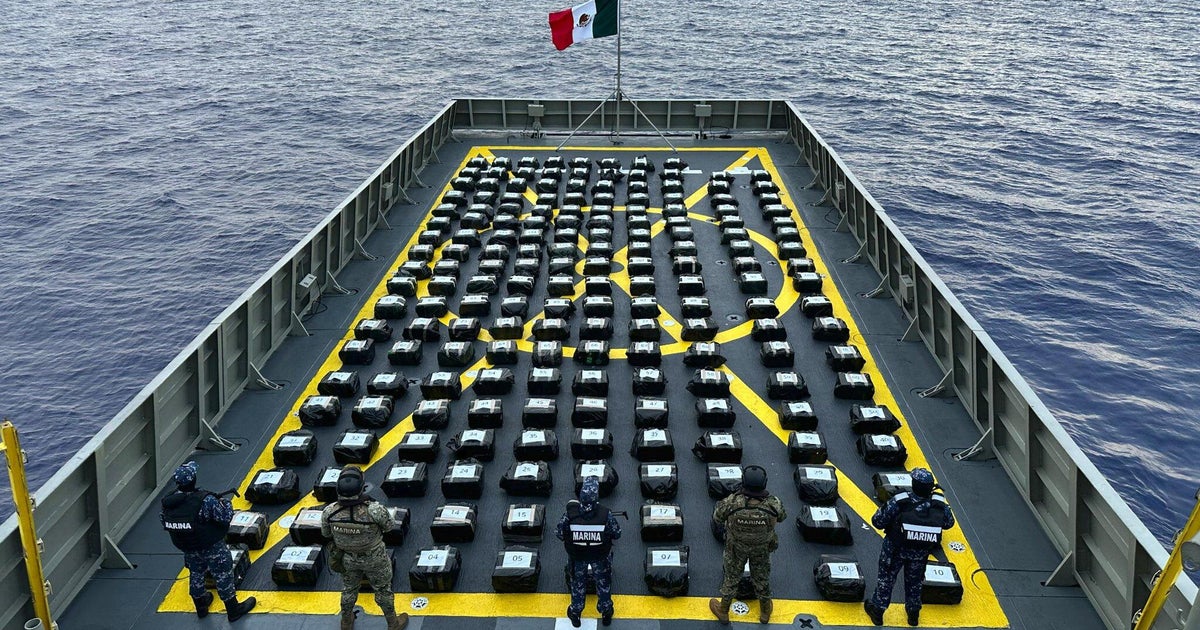
In a significant demonstration of cross-border law enforcement cooperation, American and Mexican authorities have successfully intercepted a vessel carrying several tons of cocaine in the Pacific Ocean. The Mexican navy announced on Wednesday that approximately 188 packages containing multiple tons of the illegal narcotic were confiscated from a ship near Clarion Island, a remote location situated roughly 680 miles from the Mexican coastal city of Manzanillo in Colima state. The operation resulted in multiple arrests, though Mexican officials did not immediately disclose the exact number of suspects taken into custody. Visual documentation released by the navy showed the substantial haul of suspected drugs meticulously arranged on the deck of a naval vessel before being transferred to shore for processing and evidence collection.
This coordinated operation stands out as particularly noteworthy given the current political climate between the two nations. The successful joint effort comes at a time when bilateral relations have been strained by heated rhetoric and threats of economic penalties from Washington. Despite these tensions, the operation demonstrates that practical security cooperation continues between American and Mexican authorities when it comes to combating the drug trade that affects both countries. The seizure represents one of several major busts in recent years, highlighting the ongoing cat-and-mouse game between law enforcement agencies and sophisticated drug trafficking organizations that continue to find creative ways to transport their illicit cargo across international waters.
Political Tensions and Trade Pressures
The backdrop to this drug seizure is a complicated and often contentious relationship between the United States and Mexico under the Trump administration. President Donald Trump has made targeting Mexican drug cartels a central element of his national security agenda, characterizing them as a grave threat to American safety and prosperity. His administration has employed various pressure tactics to compel Mexico to intensify its efforts against these criminal organizations, including threats of additional tariffs designed to leverage economic pain for political compliance. The trade relationship between the nations, formalized through a free trade agreement that also includes Canada, is currently under renegotiation this year, adding another layer of complexity to the diplomatic dance between Washington and Mexico City.
Mexico has responded to American pressure by significantly increasing the extradition of cartel members to face justice in the United States. In recent months, nearly 100 individuals connected to Mexican drug trafficking organizations have been transferred to American custody, with 37 of those extraditions occurring in January alone. This represents a substantial uptick in cooperation on the criminal justice front, even as public statements from both governments sometimes suggest discord. The Mexican government appears to be walking a careful line—demonstrating its commitment to combating organized crime while maintaining its sovereignty and resisting what it perceives as heavy-handed American interference in its internal affairs.
Drone Controversies and Border Security Debates
Adding to the complexity of the bilateral security relationship, the Trump administration recently made claims about Mexican cartel drones operating around the US-Mexico border, allegedly forcing a temporary shutdown of a Texas airport. The administration initially presented this incident as evidence of the growing boldness and technological sophistication of criminal organizations operating along the international boundary. However, the reality of the situation appears far more complicated than initial reports suggested. Multiple sources familiar with the matter informed CBS News that the temporary closure of the airport in the border city of El Paso actually stemmed from internal disagreements between the Federal Aviation Administration and Pentagon officials regarding drone-related testing procedures, rather than any direct threat from cartel-operated aircraft.
Mexican President Claudia Sheinbaum quickly pushed back against the cartel drone narrative, publicly stating that her government had received no intelligence reports indicating that drug trafficking organizations were operating drones along the border region. This exchange illustrates the information gaps and communication challenges that can complicate the security relationship between the two countries. It also highlights how politically charged the border security issue has become, with competing narratives sometimes overshadowing the factual realities on the ground. The incident underscores the importance of transparent communication and intelligence sharing between American and Mexican authorities to avoid misunderstandings that could further strain diplomatic relations while undermining genuine cooperative efforts.
Pattern of Maritime Interdictions
The recent cocaine seizure is part of a broader pattern of maritime drug interdictions that have become increasingly common along Mexico’s Pacific coast. Last summer, Mexican naval forces intercepted a so-called “narco sub”—a semi-submersible vessel designed to evade detection—containing 3.5 tons of cocaine. The navy released dramatic video footage of the interception, showing their vessels pursuing and boarding the low-profile craft that smugglers had hoped would slip beneath the radar of law enforcement. These semi-submersible vessels represent a significant investment by trafficking organizations and demonstrate the substantial profits available in the cocaine trade that make such expensive smuggling infrastructure economically viable.
Just a few months later, in November 2024, Mexican authorities scored another major victory against maritime drug smuggling when they seized 3.6 tons of cocaine from another semi-submersible vessel spotted approximately 153 miles off the coast of the popular resort destination of Acapulco. The frequency and scale of these seizures paint a picture of a relentless smuggling operation that continuously adapts to law enforcement pressure. For every vessel intercepted, authorities acknowledge that others likely complete their journeys successfully, delivering their illegal cargo to distribution networks that ultimately funnel drugs into communities across Mexico and the United States. The ongoing success of these interdiction operations depends heavily on intelligence gathering, surveillance technology, and the kind of international cooperation exemplified by the recent joint US-Mexico operation near Clarion Island.
Looking Forward: Cooperation Amid Complexity
The successful joint operation in the Pacific Ocean offers a glimpse of what effective US-Mexico security cooperation can achieve, even during periods of political tension and diplomatic friction. While headlines often focus on disagreements, threats, and rhetorical battles between American and Mexican officials, the reality of law enforcement collaboration continues in less visible but highly consequential ways. Naval personnel, intelligence analysts, and security officials from both countries maintain working relationships built on mutual professional respect and shared objectives, even when their political leaders exchange harsh words. These operational connections represent an important continuity in the bilateral relationship that transcends election cycles and political posturing.
As both nations navigate the challenges ahead—including trade negotiations, border security concerns, and the ongoing fight against powerful transnational criminal organizations—the success of operations like this latest drug seizure should serve as a reminder of what can be accomplished through cooperation. The drug trafficking organizations operating between and within both countries represent a genuine threat to public health, community safety, and the rule of law. Effectively combating these sophisticated criminal enterprises requires the kind of coordinated effort demonstrated in the Pacific operation, with both countries contributing intelligence, resources, and personnel toward common goals. While political tensions will inevitably continue and policy disagreements will persist, the foundation of practical security cooperation remains essential to protecting citizens on both sides of the border from the devastating consequences of the illegal drug trade.