
U.S. Treasury Cracks Down on Mexican Cartel Operations Along the Border
New Sanctions Target Criminal Network’s Financial Infrastructure
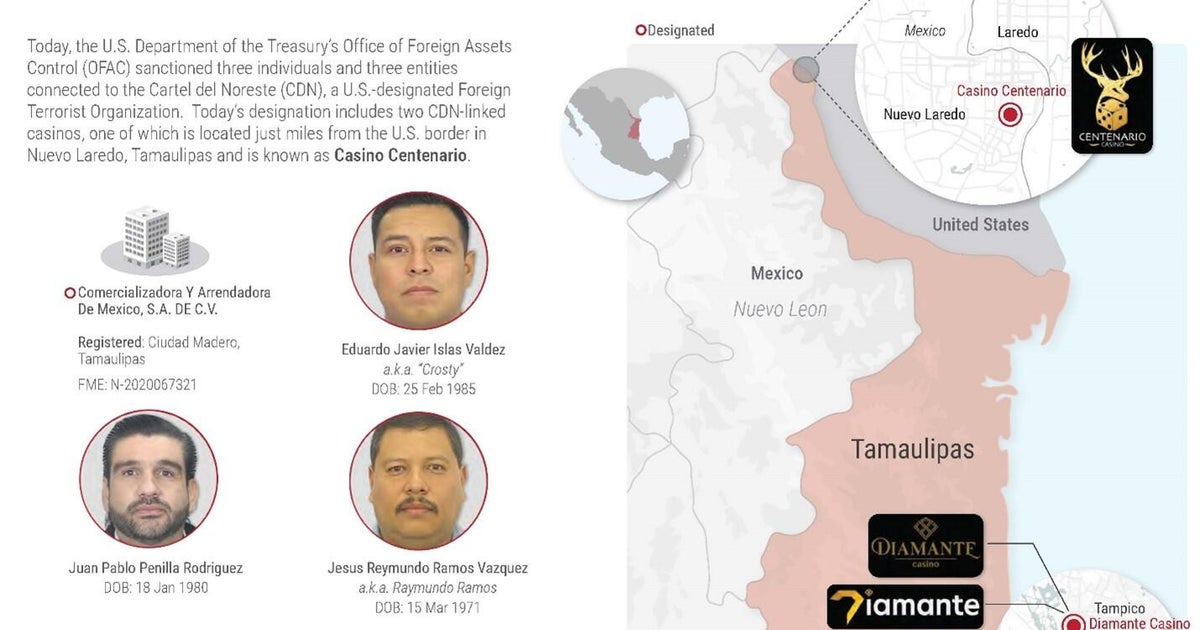
The United States has taken decisive action against what officials describe as a terror-fueled criminal enterprise operating along the U.S.-Mexico border. On Tuesday, the U.S. Treasury Department announced a comprehensive set of sanctions targeting three individuals and two casinos allegedly connected to Mexico’s notorious Cartel del Noreste. This cartel, which emerged as the successor to the infamous Los Zetas organization, was officially designated as a terrorist organization by the Trump administration last year. The latest sanctions represent Washington’s ongoing and intensified effort to dismantle the financial networks that enable this violent criminal group to operate. By targeting not just cartel members but also the businesses and professionals who facilitate their operations, American authorities are attempting to cut off the money supply that keeps this dangerous organization functioning along one of the busiest commercial corridors connecting the two nations.
Casinos Caught in the Crosshairs of Money Laundering Investigation
Among the most significant targets of these new sanctions are two gambling establishments that U.S. authorities claim serve purposes far beyond entertainment. Casino Centenario, located in Nuevo Laredo, Tamaulipas—the cartel’s home base and the busiest commercial crossing point on the entire U.S.-Mexico border—stands accused of functioning as much more than a typical casino. According to the Treasury Department, this establishment operates as a storage facility for illegal drugs and serves as a sophisticated money laundering operation, allowing the cartel to clean its dirty money through seemingly legitimate gambling activities. The second casino targeted by these sanctions is Diamante Casino, which is headquartered in Tampico, another city in the northern Mexican state of Tamaulipas. This establishment operates not only a physical location but also runs an online betting platform, potentially expanding the cartel’s ability to move money across borders in the digital realm. These sanctions effectively freeze any assets these businesses might have in the United States and prohibit American citizens and businesses from conducting any transactions with them, potentially crippling their operations and cutting off crucial revenue streams for the cartel.
Key Enablers and Unexpected Targets Face Financial Consequences
The sanctions extend beyond businesses to include three individuals whom U.S. authorities identify as crucial enablers of the cartel’s criminal enterprise. Eduardo Javier Islas Valdez has been identified as what officials call the “gatekeeper” of the cartel’s human smuggling routes into Texas, allegedly controlling the flow of migrants being trafficked across the border for profit. Attorney Juan Pablo Penilla Rodríguez faces sanctions for allegedly providing illicit legal support to the organization, including assistance to Miguel Ángel Treviño Morales—known by his chilling alias “Z-40″—one of Los Zetas’ leaders who was extradited to the United States last year along with his brother Omar and 27 other suspected cartel members. Perhaps most controversially, the sanctions list includes Jesús Reymundo Ramos, an activist whom the Treasury Department describes as a paid cartel operative working under the cover of human rights advocacy to spread disinformation that benefits the criminal organization. Ramos has not responded to requests for comment on these allegations, but in March 2023, he publicly claimed that the Mexican army and government had orchestrated false accusations linking him to the cartel—allegations he vehemently denied. An independent investigation later revealed that his phone had been compromised by Pegasus spyware in 2020, adding another layer of complexity to his case and raising questions about surveillance, human rights, and the sometimes murky intersection of activism and criminal allegations in Mexico’s violent cartel landscape.
A “Campaign of Terror” Threatening Both Sides of the Border
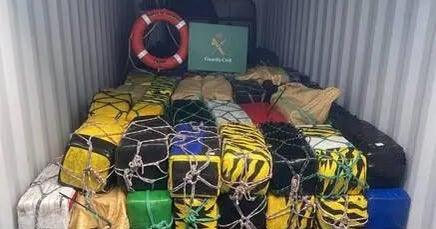
The Cartel del Noreste’s operations represent far more than typical criminal activity, according to U.S. government assessments. The Treasury Department describes the organization as waging a sustained “campaign of terror on the border” that affects communities in both Mexico and the United States. The cartel’s criminal portfolio is extensive and deadly: they traffic illegal drugs including fentanyl, crystal methamphetamine, heroin, and cocaine across the border, contributing directly to America’s ongoing opioid crisis that claims tens of thousands of lives annually. Their operations are characterized by extreme violence, including the kidnapping and murder of individuals perceived as threats to their criminal enterprise. Beyond drug trafficking, the cartel exploits desperate migrants, operating sophisticated human smuggling routes that profit from human misery. The organization maintains its power through a combination of corruption and intimidation, bribing politicians and journalists to look the other way or actively assist their operations, while simultaneously extorting local businesses and even legitimate shipments flowing through Nuevo Laredo to and from the United States at what is the busiest inland point of entry for trade between the two nations. This dual strategy of corruption and violence allows the cartel to maintain what authorities describe as “terror-fueled influence” over the region, effectively controlling critical infrastructure that should serve legitimate commerce and peaceful cross-border relations.
Recent Convictions and Ongoing Enforcement Efforts
The sanctions announced this week are just the latest chapter in an ongoing campaign against the Cartel del Noreste that has already produced concrete results in American courts. In November 2024, two high-ranking members of the organization were sentenced to prison in the United States for their roles in an extensive human smuggling conspiracy. This prosecution demonstrated that U.S. authorities are not only targeting the cartel’s financial infrastructure but also successfully bringing its operational leadership to justice. Earlier, in August of the previous year, two other individuals along with Ricardo Hernández Medrano—a popular Mexican rapper known by his stage names El Makabelico or Comando Exclusivo—were sanctioned for their alleged connections to the criminal organization. This targeting of a cultural figure highlights how deeply cartels can penetrate various sectors of society, using entertainment and popular culture as vehicles for money laundering, propaganda, or simply as a way to gain social legitimacy. The pattern of these sanctions and prosecutions reveals a comprehensive strategy aimed at attacking the cartel from multiple angles simultaneously—cutting off their money supply, imprisoning their leadership, disrupting their operational networks, and exposing those in seemingly legitimate professions who enable their criminal activities.
Protecting Commerce and Communities Through Financial Warfare
State Department official Thomas Pigott explained the broader strategic vision behind these sanctions in a statement released Tuesday, emphasizing that these actions serve multiple critical objectives. By systematically degrading the Cartel del Noreste’s revenue streams and eliminating their safe havens, the United States aims to protect lawful cross-border commerce that is vital to the economies of both nations. The sanctions are designed to safeguard American border communities that live under the shadow of cartel violence and corruption. Crucially, these measures are intended to stop the trafficking of fentanyl and other illicit drugs that are killing Americans at alarming rates—a public health crisis that has become one of the leading causes of death for younger Americans. Finally, Pigott emphasized that these actions strengthen shared efforts between the United States and Mexico to degrade and ultimately dismantle what he termed “narco-terrorist organizations.” This framing is significant, as it positions the fight against cartels not merely as law enforcement but as counter-terrorism, potentially unlocking additional resources and authorities for combating these groups. The financial approach represented by these sanctions acknowledges a fundamental truth: criminal organizations, no matter how violent or ideologically motivated, ultimately depend on money to function. By following the money and freezing assets, prohibiting transactions, and exposing the financial networks that support cartel operations, authorities hope to accomplish what military and police operations alone have struggled to achieve—the systematic dismantling of organizations that have plagued the border region for decades.