



Jordan Stolz Falls Just Short of Olympic History with Silver Medal Performance
A Close Race That Made History
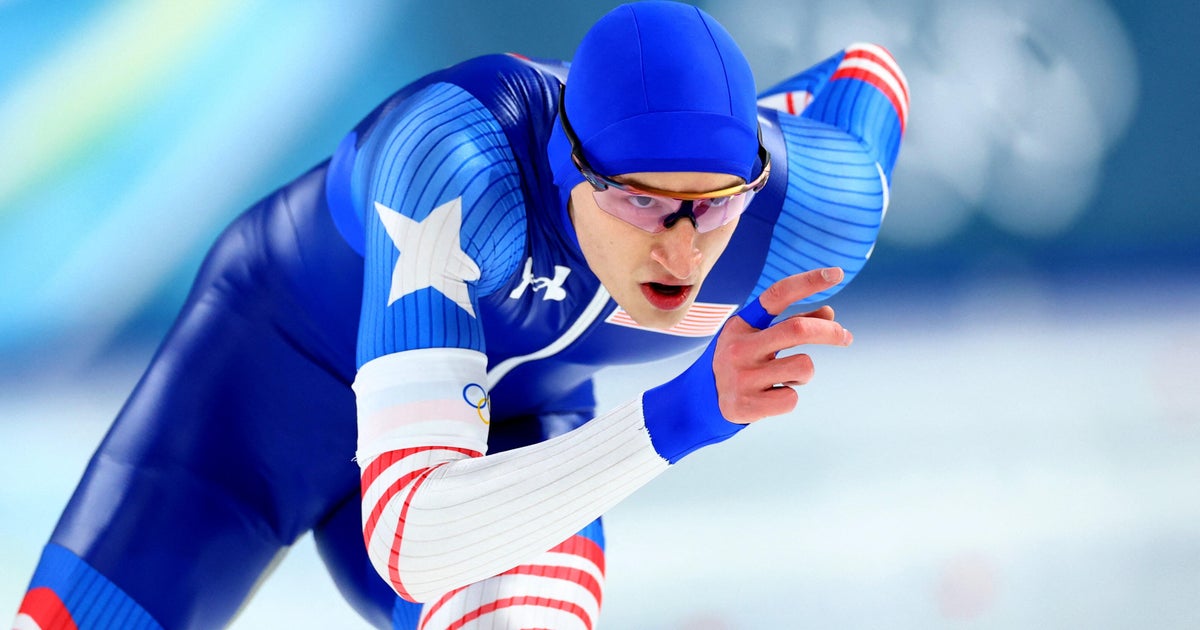
American speedskating sensation Jordan Stolz experienced both triumph and heartbreak on Thursday at the Milan Cortina Winter Olympics when he narrowly missed out on securing his third gold medal of the Games. The 21-year-old phenom finished second in the men’s 1,500-meter speedskating race, claiming silver after China’s Ning Zhongyan delivered a spectacular Olympic record-breaking performance. Ning crossed the finish line with a time of 1:41.98, while Stolz, competing in the highly anticipated final heat, completed the distance in 1:42.75—just shy of one second behind the Chinese skater. The Netherlands’ Kjeld Nuis rounded out the podium by capturing the bronze medal. While the silver medal represents an outstanding achievement, the result meant Stolz would not join the exclusive ranks of American Winter Olympic legends, though his performances throughout these Games have already cemented his place among the sport’s elite competitors.
The Historical Significance of What Might Have Been
Had Stolz managed to capture gold in the 1,500-meter event, he would have achieved something truly remarkable in American Winter Olympics history. The young skater would have become only the second U.S. athlete ever to win at least three gold medals in any sport during a single Winter Games. The only other American to accomplish this feat was legendary speedskater Eric Heiden, who achieved the unprecedented accomplishment of winning five gold medals at the 1980 Winter Games held in Lake Placid, New York—an achievement that has stood unchallenged for more than four decades. Stolz’s attempt to join Heiden in the record books captivated the attention of sports fans across America, as the nation watched one of its brightest young stars pursue Olympic immortality. Although he fell just short of this historic milestone, Stolz’s overall performance at these Games has been nothing short of extraordinary, demonstrating the kind of dominance and consistency that typically defines generational talent in the sport of speedskating.
Stolz’s Golden Achievements in Milan
Despite missing out on a third gold medal, Jordan Stolz’s performance at the Milan Cortina Winter Olympics has been exceptional by any measure. The Wisconsin native had already secured two gold medals before stepping onto the ice for the 1,500-meter race, winning both the men’s 1,000-meter and 500-meter speedskating events. In both of these races, Stolz didn’t just win—he dominated, setting Olympic records in each competition and establishing himself as the premier speedskater of these Games. His victory in the 1,000-meter race was particularly significant for American speedskating, as it marked the first medal for the United States in that event since 2010, ending more than a decade-long drought. Furthermore, when Stolz won the 500-meter race over the weekend, he became the first American since the legendary Eric Heiden to medal twice in speedskating at a single Winter Olympics. These achievements alone would represent a career-defining Olympics for most athletes, showcasing Stolz’s remarkable versatility and dominance across multiple speedskating distances.
Ning Zhongyan’s Moment of Glory
While Stolz’s near-miss at history captured much attention, the day truly belonged to China’s Ning Zhongyan, whose performance in the 1,500-meter was the culmination of persistent effort throughout these Games. The Chinese speedskater could be seen jumping up excitedly from the sidelines the moment Stolz crossed the finish line, confirming that his Olympic record time would stand and earn him the gold medal. This victory was particularly sweet for Ning, as it followed two bronze medal finishes earlier in the competition—one in the 1,000-meter individual race and another in the team competition. After coming so close to the top of the podium twice before, Ning finally achieved his golden moment when it mattered most, delivering a performance that will be remembered as one of the highlights of these Winter Games. His Olympic record time of 1:41.98 not only defeated the favored Stolz but also set a new benchmark for future competitors in the 1,500-meter distance, demonstrating that speedskating’s competitive landscape remains vibrant with talent from around the world.
The Journey of a Young Champion
At just 21 years old, Jordan Stolz has already established himself as one of the most accomplished speedskaters in recent American history. These Milan Cortina Games represent his second Winter Olympics, showing remarkable growth from his debut in Beijing where he finished 14th in the 1,000-meter and 13th in the 500-meter—respectable results for a young competitor but nowhere near the podium. The transformation from those modest beginnings to his current status as a multiple gold medalist demonstrates the dedication, training, and natural talent that Stolz possesses. After securing his first gold medal in the 1,000-meter in Milan, Stolz spoke with CBS News about his expectations for his remaining events, confidently stating, “That’s what I’m looking for,” when discussing the possibility of these being some of his best performances of the year. Beyond the Olympic stage, Stolz has already proven himself as one of the world’s elite speedskaters, holding the world record for the 1,000-meter speed skate and serving as the reigning two-time World Cup champion in that distance—credentials that suggested his Olympic dominance was not a matter of if, but when.
Looking Ahead: One More Chance to Shine
Although Jordan Stolz won’t be adding a third gold medal to his collection from the 1,500-meter race, his Olympic journey in Milan isn’t quite finished yet. The young American star is scheduled to compete in his fourth and final event of the Milan Cortina Games this Saturday—the mass start competition. This event presents Stolz with one more opportunity to showcase his exceptional talent on the Olympic stage and potentially add to his medal haul. Regardless of the outcome in the mass start, Stolz’s performance at these Winter Olympics has already exceeded most expectations and established him as the face of American speedskating for years to come. While the silver medal in the 1,500-meter may represent a moment of what could have been, it should not overshadow the remarkable achievements of this young athlete who has already accomplished more at age 21 than most speedskaters achieve in their entire careers. As the sports world watches Stolz compete one final time in Milan, there’s a sense that this is just the beginning of what promises to be a legendary career, with future Olympic Games likely to provide more opportunities for him to chase the kind of history that eluded him by just one second in the 1,500-meter race.