
UN Nuclear Watchdog Demands Rigorous Verification for Any U.S.-Iran Nuclear Agreement
Growing Concerns Over Nuclear Transparency in the Middle East
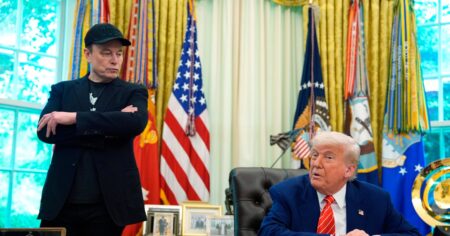
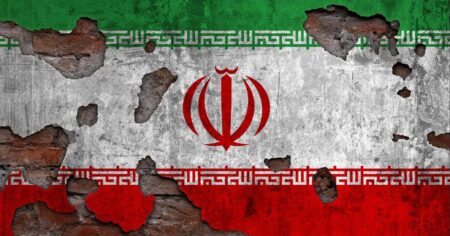
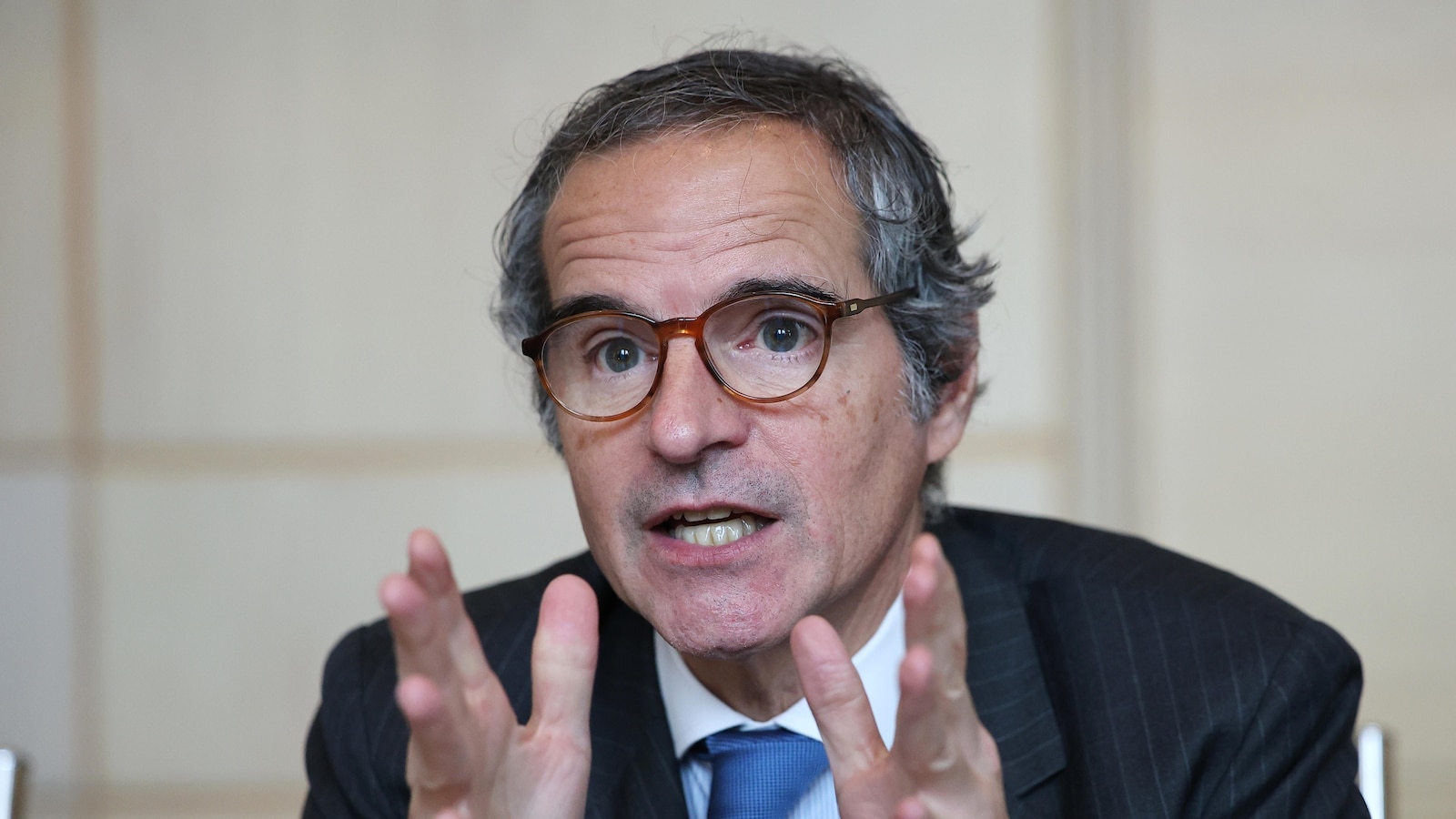
The international community’s watchful eye on Iran’s nuclear capabilities has intensified following statements from the United Nations’ top nuclear official. Rafael Grossi, who serves as Director General of the International Atomic Energy Agency (IAEA), made clear this week that any potential agreement between the United States and Iran must include comprehensive and detailed verification measures. Speaking to reporters in Seoul, South Korea, Grossi emphasized that without robust monitoring mechanisms, the world wouldn’t have a genuine agreement but merely “an illusion of an agreement.” His remarks came at a critical juncture, as President Donald Trump indicated that a second round of negotiations with Iran could take place within the next few days. The urgency of these discussions reflects the complex geopolitical situation in the Middle East and the international community’s determination to prevent nuclear proliferation in one of the world’s most volatile regions.
The Critical Stalemate Over Nuclear Verification
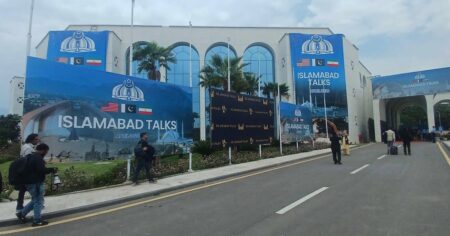
The path toward a diplomatic resolution between Washington and Tehran has proven extraordinarily challenging, with Iran’s nuclear ambitions emerging as the primary obstacle to peace. Last weekend’s initial talks in Pakistan ended without producing a concrete agreement, though perspectives on why the negotiations stalled differ between the parties involved. The White House has been forthright in stating that Iran’s nuclear program represents a central sticking point in the discussions, with the Trump administration identifying the prevention of Iran from obtaining nuclear weapons as a fundamental objective of their broader Middle East strategy. However, an Iranian diplomatic official, speaking anonymously due to the sensitive nature of the closed-door negotiations, disputed this characterization and denied that the talks had collapsed specifically over nuclear issues. This discrepancy in narratives highlights the deep-seated mistrust between the two nations and the complexity of finding common ground after years of hostility and sanctions.
The Scope of Iran’s Nuclear Infrastructure and Verification Challenges
Grossi’s insistence on detailed verification measures stems from the extensive nature of Iran’s nuclear infrastructure, which he described as “very ambitious” and “wide.” The IAEA chief made clear that the breadth and sophistication of Iran’s nuclear program would necessitate a permanent presence of IAEA inspectors throughout the country’s facilities. Without such access, the international community would have no reliable way to ensure compliance with any agreement or to monitor whether Iran is adhering to peaceful uses of nuclear technology. The situation has become more complicated following military strikes during a 12-day conflict last June, when both Israel and the United States bombed Iranian nuclear facilities. According to a confidential IAEA report that was circulated among member states and subsequently obtained by The Associated Press in February, Iran has refused to allow inspectors access to these damaged sites. This lack of transparency has created a significant blind spot in the international community’s understanding of Iran’s current nuclear capabilities and activities.
The Troubling Gap in Nuclear Accountability
The February IAEA report painted a concerning picture of the current state of nuclear oversight in Iran. The agency stated unequivocally that it “cannot verify whether Iran has suspended all enrichment-related activities” and has no way of confirming “the size of Iran’s uranium stockpile at the affected nuclear facilities.” This represents a dangerous information vacuum at a time when accurate intelligence is most needed. While Iran has consistently maintained that its nuclear program serves entirely peaceful purposes focused on energy production and scientific research, the IAEA and numerous Western nations have presented evidence suggesting that Tehran operated an organized nuclear weapons program until at least 2003. The most alarming aspect of the current situation involves Iran’s stockpile of highly enriched uranium. According to IAEA assessments, Iran possesses approximately 440.9 kilograms (972 pounds) of uranium enriched to 60% purity. This level of enrichment represents a relatively short technical step from weapons-grade uranium, which requires 90% purity. Grossi has warned that this existing stockpile could theoretically be used to produce as many as ten nuclear bombs if Iran made the strategic decision to weaponize its program—a prospect that sends shockwaves through international security circles.
The Broader Nuclear Challenge in Northeast Asia
While Iran’s nuclear program dominates current headlines, Grossi’s visit to Seoul also brought attention to another concerning nuclear situation in the region. During his Wednesday press conference, the IAEA Director General confirmed “a rapid increase” in activities at nuclear facilities in North Korea, adding another dimension to the global nuclear proliferation challenge. This assessment aligns with observations from numerous foreign analysts who have tracked North Korea’s nuclear expansion since diplomatic efforts between Pyongyang and Washington broke down in 2019. The failure of those negotiations appears to have accelerated North Korea’s nuclear ambitions rather than curtailing them. South Korea’s Unification Minister Chung Dong-young revealed last September that North Korea now operates four uranium enrichment facilities, all of which function on a daily basis. Foreign observers have documented significant expansion efforts at the Yongbyon nuclear complex, North Korea’s primary nuclear facility, as well as the construction of additional uranium-enrichment sites throughout the country. This parallel nuclear crisis demonstrates that the challenges of nonproliferation extend far beyond the Middle East and require sustained international attention and coordinated diplomatic efforts.
The Path Forward and International Security Implications
The interconnected nuclear challenges posed by both Iran and North Korea underscore the critical importance of effective verification regimes and international cooperation. Grossi’s emphasis on “very detailed verification mechanisms” reflects lessons learned from past agreements that lacked sufficient monitoring provisions. According to IAEA guidelines, highly enriched nuclear material should be verified monthly to ensure it remains accounted for and isn’t diverted toward weapons development. The current situation, where Iran has blocked inspector access to bombed facilities and North Korea continues expanding its nuclear infrastructure with limited international oversight, represents a significant setback for global nonproliferation efforts. As President Trump prepares for potential second-round negotiations with Iran, the international community watches with cautious hope but clear-eyed realism about the difficulties ahead. Any agreement that emerges must balance Iran’s stated rights to peaceful nuclear technology with the legitimate security concerns of the United States, Israel, and other regional powers. The verification measures that Grossi insists upon would need to be sufficiently robust to detect any diversion toward weapons development while respecting Iran’s sovereignty—a delicate balance that has eluded negotiators in previous attempts. The stakes couldn’t be higher, as failure to reach a verifiable agreement could lead to continued regional instability, an arms race in the Middle East, and the very real possibility of nuclear weapons proliferation in one of the world’s most conflict-prone areas.