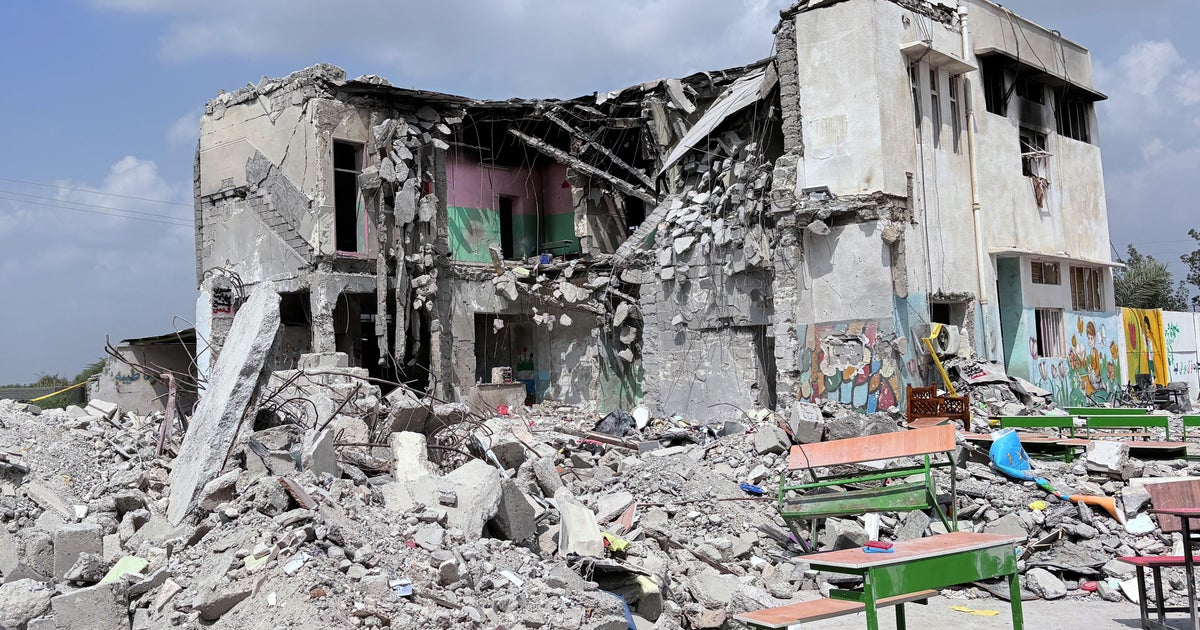

Tragic School Bombing in Iran Raises Questions About U.S. Military Responsibility
A Devastating Attack on Innocent Children
In a heartbreaking incident that has shaken the international community, a girls’ elementary school in Iran became the site of a catastrophic bombing on February 28th that claimed the lives of 168 people, the majority of whom were young children. The Shajareh Tayyebeh elementary school in Minab, a city in southern Iran’s Hormozgan province, was struck on what should have been an ordinary Saturday—a regular school day in Iran. Videos captured from a nearby parking lot showed thick black smoke rising from the damaged building, its walls still decorated with cheerful murals depicting crayons, children’s drawings, and apples—painful reminders of the innocent lives that filled its classrooms just moments before. According to Iranian state media, the victims included schoolgirls between the ages of 7 and 12, along with their principal and teachers. A published list from local authorities in Minab county named 57 of the deceased, and Human Rights Watch later confirmed that at least 48 of those names belonged to children, identified through their birthdates. This tragedy occurred on the first day of what has been described as a wider conflict, making it one of the earliest and most devastating civilian casualties in this new chapter of Middle Eastern tensions.
Preliminary Intelligence Points to Possible U.S. Involvement
In the days following the attack, sources began sharing concerning information with CBS News regarding who might be responsible for this devastating strike. According to a person briefed on preliminary intelligence assessments, the United States is “likely” responsible for the deadly bombing, though officials believe the school was not intentionally targeted. The emerging picture suggests a terrible mistake—possibly the result of operating with outdated intelligence that incorrectly identified the area as part of an Iranian military installation. CBS News has independently confirmed that the school building was indeed located very close to two sites controlled by the Islamic Revolutionary Guard Corps, which may have been the intended targets. Multiple sources told CBS News that Israel’s military was not operating in the area at the time of the strike, leading investigators to focus on U.S. military operations as the probable source of the attack. An additional source familiar with the ongoing inquiry explained that investigators believe U.S. forces may have been responsible specifically because they were the only ones conducting operations in that region, though it’s important to note that no final conclusions have been officially reached. An Israeli government source separately confirmed to CBS News that Israel was neither behind the attack nor operating near the school at the time.
Conflicting Statements and Ongoing Investigation
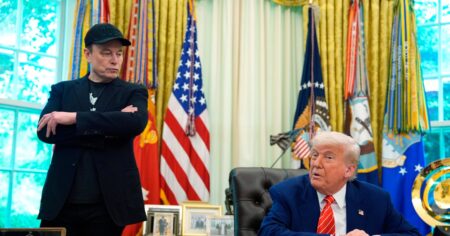
The response from U.S. officials has been carefully measured, with different voices offering varying perspectives on what happened. White House spokesperson Anna Kelly issued a statement emphasizing that “the investigation is ongoing” and stressing that “there are no conclusions at this time.” She added that “it is both irresponsible and false for anyone to claim otherwise,” seemingly pushing back against premature assessments. However, President Trump offered a starkly different take on the situation while aboard Air Force One following a dignified transfer ceremony for six U.S. soldiers who were killed in an Iranian strike in Kuwait on March 1st. Without providing supporting evidence, the President claimed that the U.S. believes “it was done by Iran, because they’re very inaccurate with their munitions, they have no accuracy whatsoever.” This assertion directly contradicts the preliminary intelligence assessments that sources have shared with CBS News, creating confusion about what actually occurred and who should be held accountable for the deaths of so many innocent children.
Military Leadership Takes Cautious Approach
In contrast to the President’s definitive statements, military leadership has adopted a much more cautious and measured approach to discussing the incident. Both Defense Secretary Pete Hegseth and U.S. Central Command have indicated that an investigation is currently underway, and neither has echoed President Trump’s claims that Iran was responsible for bombing its own citizens. When questioned about the incident during a CBS News “60 Minutes” interview that aired the Sunday following the attack, Secretary Hegseth was careful with his words, stating, “unlike our adversaries, the Iranians, we never target civilians.” He added that “it’s being investigated, which is the only answer I’m prepared to give.” This restrained response from military officials stands in sharp contrast to the President’s immediate attribution of blame to Iran, suggesting that those closest to the investigation understand the complexity of the situation and recognize that jumping to conclusions before all evidence is gathered could have serious diplomatic and military consequences. The discrepancy between civilian and military leadership statements has only added to the confusion surrounding this tragedy.
The Human Cost and International Implications
Beyond the political posturing and intelligence assessments lies an undeniable human tragedy that demands acknowledgment and accountability. The Shajareh Tayyebeh elementary school was filled with young girls—children aged 7 to 12—who came to school that Saturday morning expecting nothing more than another day of learning, playing with friends, and growing up. Instead, their lives were cut short in an instant, along with the dedicated educators who taught them. The cheerful murals on the school walls depicting crayons and apples serve as a haunting reminder of the childhood innocence destroyed in a matter of seconds. Families in Minab are now grieving incomprehensible losses, burying daughters, sisters, and students who represented the future of their community. If the preliminary U.S. intelligence assessment proves accurate and American forces were indeed responsible—even if unintentionally—this incident represents a catastrophic failure of intelligence, targeting procedures, and the safeguards supposedly in place to prevent civilian casualties. The use of outdated intelligence that misidentified a girls’ school as a military target raises serious questions about operational procedures and the value placed on civilian lives in conflict zones.
Accountability and the Path Forward
As the investigation continues, the international community watches closely, waiting for definitive answers about who was responsible for this horrific attack and how such a devastating mistake could have occurred. The reports from The New York Times and Reuters that first raised the possibility of U.S. involvement, now corroborated by CBS News sources, have created pressure for full transparency and accountability. If American forces did indeed strike this school based on faulty intelligence, it will demand not only a thorough examination of how such intelligence failures happen but also meaningful consequences and reforms to prevent similar tragedies in the future. The families of the 168 victims deserve answers, and the world deserves to know the truth. The conflicting narratives—from sources suggesting U.S. responsibility to President Trump’s claims of Iranian culpability—must be reconciled through a comprehensive, honest investigation that prioritizes facts over political convenience. Whatever the final conclusions may be, this tragedy underscores the terrible human cost of military conflicts and the absolute necessity of protecting civilian populations, especially children, from the violence of war. The murals on that school wall, the empty desks in those classrooms, and the 168 names on the memorial lists serve as permanent reminders of what was lost in Minab on February 28th, and why such losses must never be treated as acceptable collateral damage in any conflict, regardless of who was responsible.