
Ukraine’s Interceptor Drones: A Game-Changer in Middle East Defense
Growing Interest from US and Gulf Nations in Ukrainian Drone Technology
In a significant development highlighting Ukraine’s evolving role in global defense cooperation, the United States and several Gulf Arab nations have entered into discussions with Ukraine about purchasing Ukrainian-manufactured interceptor drones. This interest stems from the proven effectiveness of these drones in combating Iran’s Shahed attack drones, which have become a persistent threat in the Middle East region. A source within Ukraine’s Presidential Office has confirmed these ongoing negotiations to ABC News, marking what could be a pivotal shift in how allied nations approach drone defense.
The urgency of these discussions has been underscored by tragic events in the opening days of the recent Middle East conflict. Iranian drone attacks have been used extensively to target American assets throughout the region, with devastating consequences. In one particularly sobering incident during the war’s first hours, six U.S. service members lost their lives in Kuwait when an Iranian drone strike hit their position. This attack has intensified the search for cost-effective and reliable defense systems capable of neutralizing the drone threat that has emerged as a defining feature of modern asymmetric warfare. The casualties have brought home the very real danger posed by these relatively inexpensive but deadly weapons, prompting urgent action from military planners across the allied nations.
Ukraine’s Response and President Zelenskyy’s Strategic Vision
Ukrainian President Volodymyr Zelenskyy has responded positively to these requests for assistance, viewing them as both a humanitarian obligation and a strategic opportunity. In a statement released on Thursday, Zelenskyy confirmed that Ukraine had “received a request from the United States for specific support in protection against ‘shaheds’ in the Middle East region.” His response was characteristically decisive and collaborative. “I gave instructions to provide the necessary means and ensure the presence of Ukrainian specialists who can guarantee the required security,” Zelenskyy stated, adding a principle that has guided his foreign policy throughout Ukraine’s own struggle: “Ukraine helps partners who help ensure our security and protect the lives of our people.”
This philosophy of mutual support reflects Ukraine’s position as both a recipient of international aid and an emerging provider of specialized military expertise. According to Ukrainian officials, all Gulf governments have already established communication channels with Ukraine—either directly or through American intermediaries—regarding the potential acquisition of these interceptor drones. The discussions have evolved quickly from initial inquiries to detailed negotiations about quantities, infrastructure requirements, and deployment timelines. Zelenskyy has also revealed that similar requests have come from European partners and directly from the United States, suggesting a broader international recognition of Ukraine’s unique expertise in drone warfare. The Ukrainian president is personally involved in negotiating the terms of these potential supplies, examining critical details such as the number of units needed and the technical infrastructure required to support their operation.
The Technology Behind Ukraine’s Interceptor Drones
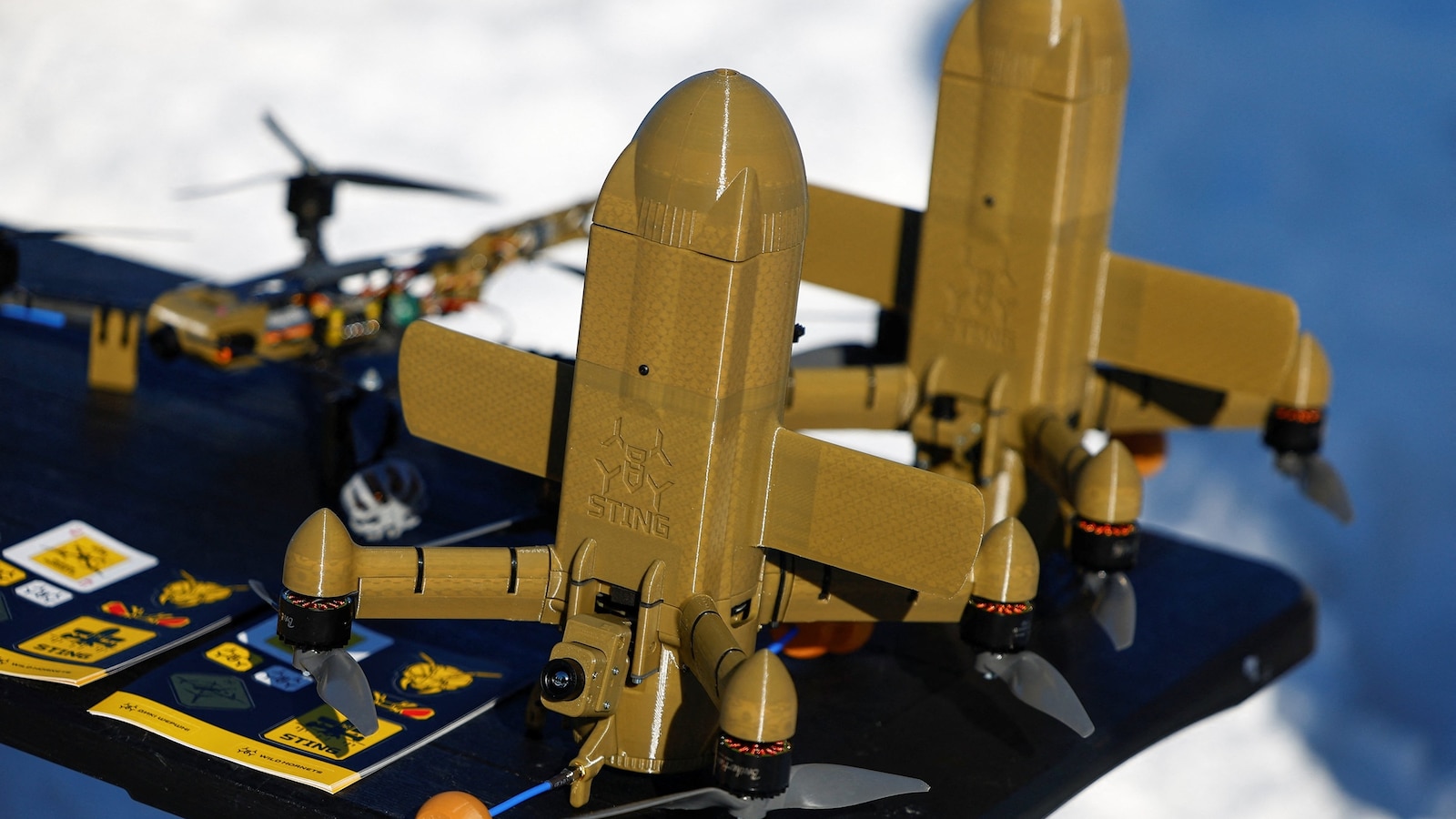
What makes Ukraine’s interceptor drones so attractive to potential buyers is their combination of effectiveness and affordability—a rare pairing in modern military technology. These interceptors operate at higher speeds than Iran’s Shahed attack drones and employ sophisticated cameras combined with artificial intelligence to detect and track their targets. Once an Iranian-made attack drone is identified, FPV (first person view) pilots take control of the interceptor drones and fly them directly into the Shaheds, physically destroying them in mid-air before they can reach their intended targets. This kinetic approach, while seemingly simple, has proven remarkably effective in actual combat conditions.
The economic equation is equally compelling. Reports indicate that Gulf states have been using Patriot interceptor missiles to shoot down Iranian drones—a strategy that works but at enormous cost. A single Patriot interceptor carries a price tag in the millions of dollars, while Ukraine’s interceptor drones cost only a few thousand dollars each. When you consider that an Iranian Shahed drone is estimated to cost around $30,000, the financial inefficiency becomes clear: spending millions to destroy a $30,000 weapon is simply unsustainable in prolonged conflicts. Ukraine’s interceptors offer a solution that is proportionate to the threat, costing thousands rather than millions while maintaining high effectiveness rates. This cost-effectiveness doesn’t just represent savings—it fundamentally changes the strategic calculus of drone defense, making it feasible to maintain robust defensive coverage without depleting military budgets or critical stockpiles of more expensive interceptors needed for other threats.
Ukraine’s Battle-Tested Experience and Deployment Considerations
Ukraine’s expertise in this area isn’t theoretical—it’s been forged in the crucible of actual warfare. For more than a year, Ukraine has been aggressively developing and refining interceptor drone technology, driven by necessity as Russia has deployed Iranian-style drones in large numbers to devastate Ukrainian cities and critical energy infrastructure. This real-world testing environment has allowed Ukrainian engineers and military personnel to rapidly iterate their designs and tactics, creating systems that have proven their worth under the most demanding conditions imaginable. The knowledge gained from nightly battles against waves of attack drones has given Ukraine insights that simply cannot be replicated in peacetime testing environments.
However, deploying these systems to the Middle East isn’t as simple as shipping drones and instruction manuals. Ukraine’s interceptors require integration with radar systems to function at peak effectiveness, a process that could take considerable time to properly configure. Technical teams would need to work with local forces to ensure seamless operation within existing defense networks. When asked whether Ukrainian specialists had already been deployed to the Middle East to work with partner nations on implementing these systems, Zelenskyy’s office declined to comment—a response that suggests such deployments may already be underway but remain sensitive from a security perspective. The infrastructure discussions currently taking place between Zelenskyy and his counterparts in Gulf nations and the United States are addressing these practical implementation challenges, ensuring that when these systems are deployed, they’ll be fully operational and integrated into broader defense architectures.
The Strategic Implications and Mutual Benefits
The potential sale of Ukrainian interceptor drones to the United States and Gulf nations represents more than just a commercial transaction—it’s a reflection of shifting dynamics in international security cooperation. President Donald Trump has publicly stated that the United States maintains an extensive stockpile of munitions, but questions have emerged about both the cost-effectiveness of using premium weapons against relatively cheap drones and whether supplies can be sustained in prolonged conflicts. Ukraine’s solution addresses both concerns simultaneously, offering an affordable option that can be produced in quantities sufficient to match the threat without depleting stocks of more sophisticated weapons systems needed for other scenarios.
For Ukraine, these potential sales carry significance beyond the immediate financial benefits. They validate Ukraine’s transformation from a nation purely receiving military aid to one that can contribute specialized capabilities to allied defense efforts. This shift strengthens Ukraine’s position in international negotiations and reinforces the mutual nature of its security relationships. During a White House visit last October, Zelenskyy met with President Trump, during which Trump suggested that Ukraine could sell its drones to the United States. At that meeting, Trump acknowledged the quality of Ukrainian drone technology, stating simply but significantly: “They make a very good drone.” That acknowledgment from the American president has now evolved into active negotiations that could see Ukrainian technology protecting American service members and allied forces in the Middle East.
Looking Forward: A New Model of Defense Cooperation
The ongoing discussions about Ukrainian interceptor drones represent a potential new model for international defense cooperation—one based on practical effectiveness rather than traditional hierarchies of military power. Ukraine’s urgent need to defend itself against relentless drone attacks has made it an unlikely but genuine leader in counter-drone technology. The nation’s willingness to share this expertise with partners, even while continuing to face threats at home, demonstrates a sophisticated understanding of collective security. Zelenskyy has been careful to note that while Ukraine is prepared to help partners defend against Iranian drones, Ukraine itself still needs access to U.S.-made Patriot interceptors to defend against Russian ballistic missiles—a reminder that different threats require different solutions and that effective defense requires a layered, comprehensive approach.
As these negotiations progress, the success or failure of Ukrainian interceptor drones in protecting American and allied assets in the Middle East will be closely watched by military planners worldwide. If these systems prove as effective in the Middle East as they have been over Ukrainian skies, it could accelerate a broader shift toward more economically sustainable approaches to drone defense. The Pentagon has declined to comment on the ongoing discussions, which were previously reported by the Financial Times, suggesting that negotiations may be at a sensitive stage. Regardless of the immediate outcome, the fact that these discussions are taking place signals an important recognition: in modern warfare, innovation and battlefield experience can matter as much as industrial capacity, and effective solutions can emerge from unexpected places. Ukraine’s journey from aid recipient to technology provider offers a compelling narrative of resilience and adaptation—one that may reshape how allied nations approach emerging threats in an increasingly complex security environment.