
Operation Epic Fury: Understanding the U.S.-Israel Military Campaign Against Iran
The Scale and Scope of an Unprecedented Military Operation
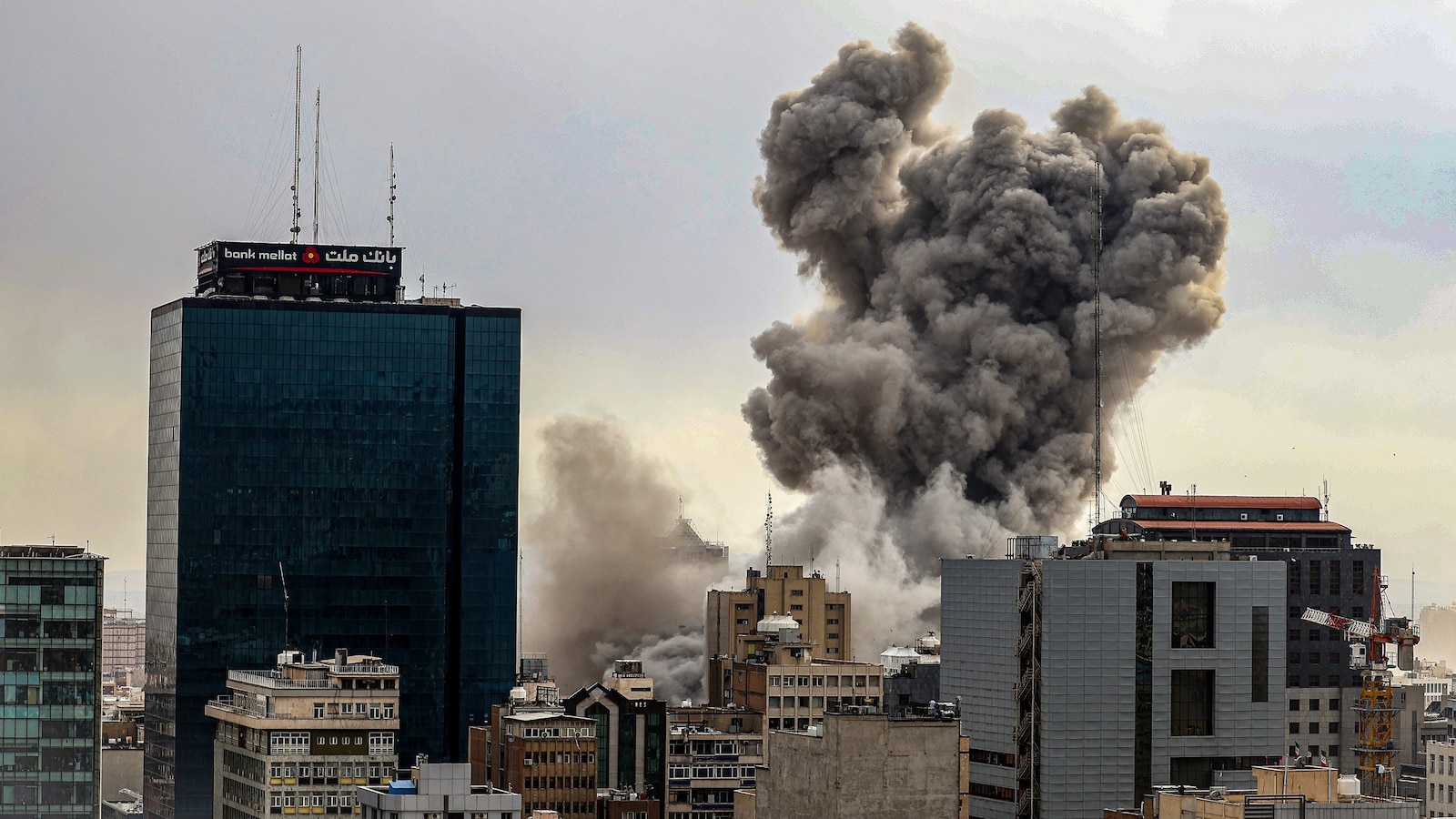
Over the course of a single weekend, the landscape of international conflict dramatically shifted as the United States and Israel launched what they’ve called “Operation Epic Fury” against Iran. The sheer magnitude of this military campaign is staggering—nearly 2,000 targets across Iranian territory have been struck since Saturday, marking one of the most extensive coordinated military operations in recent history. According to U.S. Central Command, the primary focus has been on dismantling Iran’s security infrastructure, with particular emphasis on sites deemed to pose immediate threats to American interests and regional stability. Within just the first 48 hours, over 1,250 targets had been hit, with the Israel Defense Forces reporting an additional 600 strikes against what they describe as “terrorist infrastructures” of the Iranian regime. The humanitarian impact is already being felt across the country, with the Iranian Red Crescent Society reporting that more than 130 cities have been affected by the strikes. President Donald Trump addressed the nation on Monday, indicating that Americans should prepare for an extended military engagement, estimating the operation could continue for four to five weeks, though he emphasized that U.S. military capabilities could sustain operations far beyond that timeframe if necessary.
The Targeted Elimination of Iran’s Supreme Leader
Perhaps the most dramatic and consequential aspect of Operation Epic Fury has been the reported death of Ayatollah Ali Khamenei, Iran’s supreme leader for decades. According to both President Trump and Iranian state television, Khamenei was killed in the coordinated U.S.-Israeli attack while working in his office at his compound in northern Tehran early Sunday morning. This wasn’t a matter of luck or coincidence—Israeli intelligence had been meticulously studying Khamenei’s habits and routines, discovering that the Iranian leader spent considerably more time above ground in his offices than in protective bunkers. This intelligence gathering had been ongoing for months, with the CIA tracking his movements and schedule with precision. The decisive moment came when American intelligence learned that Khamenei would be meeting with other top Iranian officials in Tehran on Saturday. This critical piece of information actually led to the timing of the attack being adjusted to maximize its impact. Israeli Air Force jets carried out what officials described as a “precise, large-scale operation” based on this intelligence. The strike on Khamenei’s compound represents not just a tactical victory but a strategic decapitation of Iran’s leadership structure. President Trump revealed on Monday that the supreme leader wasn’t the only high-ranking casualty—49 Iranian senior leaders have also been killed in the initial waves of strikes, fundamentally disrupting the regime’s command structure.
Crippling Iran’s Military Command and Revolutionary Guard
The Islamic Revolutionary Guard Corps, Iran’s elite military force and the regime’s primary instrument of regional influence, has been systematically targeted throughout Operation Epic Fury. The headquarters of the IRGC has been among the primary targets, with CENTCOM boldly declaring that the organization “no longer has a headquarters” after releasing video footage of the devastating strike. The scope of attacks on IRGC facilities extends well beyond just the main headquarters—the IRGC Aerospace Forces headquarters in Tehran, the regime’s intelligence headquarters, IRGC Air Force command centers, and internal security headquarters have all been struck according to military officials. These weren’t random targets selected for maximum destruction; they represent the carefully identified nerve centers of Iran’s military and security apparatus. By eliminating these command and control facilities, the operation aims to blind and paralyze Iran’s ability to coordinate military responses or direct its proxy forces throughout the Middle East. The Israeli Defense Forces have described striking “dozens of the regime’s military command centers,” indicating a comprehensive effort to dismantle the organizational structure that has allowed Iran to project power across the region for years. The loss of these facilities, combined with the death of senior leadership, represents a fundamental disruption to Iran’s military capabilities that will likely take years to rebuild, assuming the regime survives in its current form.
Naval Warfare and the Destruction of Iran’s Maritime Power
Iran’s naval capabilities, which have long been used to threaten shipping in the strategically vital Strait of Hormuz and project power throughout the Persian Gulf, have been systematically dismantled during Operation Epic Fury. According to CENTCOM, eleven Iranian naval ships have been destroyed in the Gulf of Oman, with President Trump stating that Iran’s naval headquarters have been “largely destroyed” since operations began. Iranian navy submarines, which represented one of Tehran’s most potent asymmetric threats against larger naval forces, have also been specifically targeted. Satellite imagery provided by the data-satellite company Vantor paints a vivid picture of the devastation at Iran’s naval facilities. The images show extensive damage at the Konarak naval base in southern Iran, where air, drone, and naval operations were coordinated. The photographs reveal a sinking ship and heavily damaged port buildings, providing visual confirmation of the operation’s effectiveness. Similarly, satellite images show significant destruction at other naval and air bases throughout southern Iran. This systematic elimination of Iran’s naval power serves multiple strategic purposes: it removes the immediate threat to international shipping, eliminates Iran’s ability to blockade the Strait of Hormuz (through which roughly one-fifth of the world’s oil supply passes), and significantly reduces Tehran’s capacity to support proxy forces or conduct operations beyond its borders. The speed and thoroughness with which these naval assets have been neutralized demonstrates both the precision of modern military technology and the extent of intelligence gathering that preceded the operation.
Dismantling Iran’s Missile Arsenal and Nuclear Ambitions
At the heart of Operation Epic Fury lies a fundamental strategic objective: preventing Iran from developing long-range ballistic missiles capable of threatening Europe and the United States, and ensuring the regime never acquires nuclear weapons. President Trump was explicit about this priority in his Monday address to the nation, describing Iran’s conventional ballistic missile program as “growing rapidly and dramatically” and posing “a very clear, colossal threat to America and our forces stationed overseas.” He explained that Iran already possessed missiles capable of reaching European targets and American military bases in the region, and was rapidly developing capabilities that could threaten the American homeland itself. Ballistic missile sites have been priority targets throughout the operation, with CENTCOM releasing footage of strikes on ballistic missile launchers to demonstrate the campaign’s effectiveness. Military airfields and fighter jets have also been systematically targeted, further degrading Iran’s ability to project military power or defend its airspace. Trump’s characterization of the threat was unambiguous: “An Iranian regime armed with long-range missiles and nuclear weapons would be an intolerable threat to the Middle East, but also to the American people.” This statement reveals that Operation Epic Fury isn’t merely a punitive response to Iranian actions but a preventive campaign designed to eliminate capabilities before they fully mature. By destroying Iran’s ballistic missile infrastructure now, the operation aims to set back Tehran’s weapons programs by years or even decades, buying time for diplomatic solutions or regime change to prevent the nightmare scenario of a nuclear-armed Iran with intercontinental delivery capabilities.
The Human Cost and Contested Narratives of Civilian Casualties
As with any military operation of this scale, questions about civilian casualties and collateral damage have emerged, creating competing narratives between Iranian officials and U.S.-Israeli military commanders. The most serious allegation involves an all-girls elementary school in the Iranian city of Minab, which Iranian officials claim was struck during the operation on Saturday, resulting in the deaths of nearly 170 students. If confirmed, this would represent a horrific tragedy and a significant humanitarian catastrophe. However, the American and Israeli responses to these allegations reveal the complexity of modern warfare and the fog of conflict. A spokesman for U.S. Central Command stated that they would investigate the reports about the school bombing but emphasized a fundamental distinction: “Unlike Iran, we have never — and will never — target civilians.” This statement reflects the official U.S. position that civilian facilities are not deliberately targeted, though it leaves open the possibility of errors, miscommunication, or faulty intelligence. The IDF spokesperson similarly told reporters that Israeli forces “do not target civilians” and claimed they had found “no connection to any IDF activity” in that area, though investigations were ongoing. These competing narratives—Iranian claims of deliberate attacks on civilian infrastructure versus American and Israeli assertions of precise, intelligence-driven strikes on military targets—will likely continue throughout the operation and its aftermath. The humanitarian organization Iranian Red Crescent Society reports that over 130 cities have been impacted by the strikes, suggesting widespread effects on civilian populations regardless of targeting intentions. As Operation Epic Fury continues into its projected four-to-five-week timeline, the balance between military objectives and humanitarian concerns will remain a critical issue, both for the commanders prosecuting the campaign and for international observers attempting to understand the true cost of this unprecedented military operation against Iran.