
U.S. Military Intensifies Drug War with Deadly Pacific Strike
Latest Operation Claims Six Lives in Eastern Pacific Waters
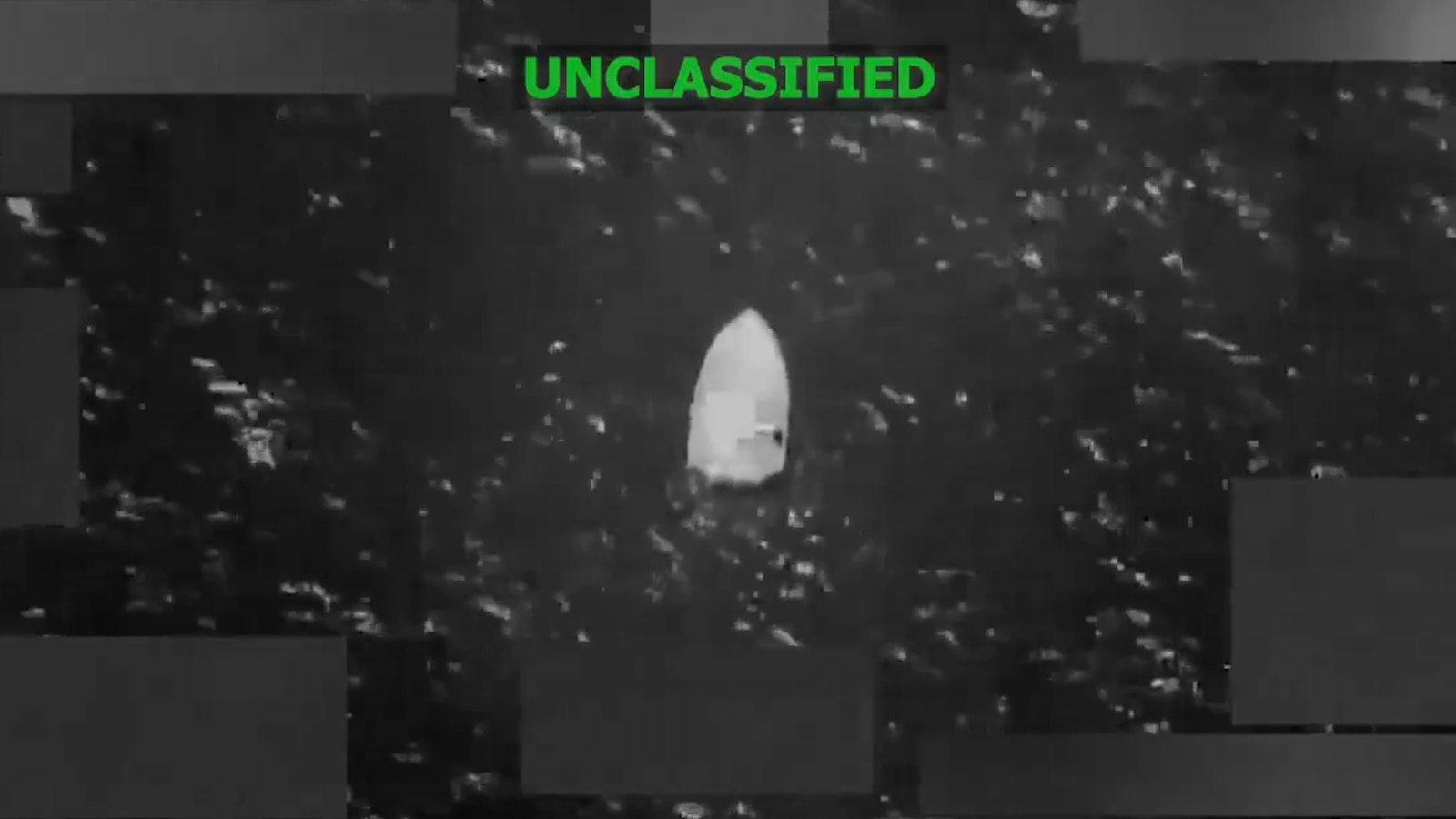
The ongoing battle against drug trafficking in the Eastern Pacific took another deadly turn this past Sunday when the United States military conducted a strike against a vessel suspected of transporting illegal narcotics. According to an official statement released by U.S. Southern Command through their social media platform X, the operation resulted in the deaths of six men who were aboard the targeted boat. The military action represents the latest chapter in an increasingly aggressive campaign against maritime drug trafficking operations that has raised both strategic questions and humanitarian concerns about America’s approach to combating the flow of illegal drugs into the country.
The strike was not a random act of military force but rather a calculated operation based on gathered intelligence that identified the vessel as being involved in drug smuggling activities. U.S. Southern Command officials justified the action by explaining that their intelligence had confirmed the boat was traveling along well-established routes commonly used by drug traffickers operating in the Eastern Pacific region. These maritime corridors have long been recognized as critical pathways for criminal organizations attempting to move massive quantities of narcotics from production areas in South America toward markets in Central America, Mexico, and ultimately the United States. The military’s decision to engage the vessel with lethal force underscores the seriousness with which American defense officials are treating the ongoing drug crisis and their willingness to use military assets to disrupt trafficking networks at their source.
Classification of Targets and Military Justification
In their official communication, U.S. Southern Command specifically referred to the six deceased individuals as “male narco-terrorists,” a designation that carries significant legal and operational implications. This terminology represents more than simple military jargon—it reflects a fundamental shift in how the United States government is framing the drug trafficking problem. By labeling these individuals as terrorists rather than simply criminals or smugglers, the military establishes a legal framework that justifies the use of lethal military force rather than law enforcement actions. This classification suggests that those involved in drug trafficking operations are not merely breaking laws but are engaged in activities that pose a direct threat to national security, thereby warranting a military rather than a civilian law enforcement response.
The statement from SOUTHCOM also took care to note that no U.S. military personnel were injured or killed during the operation, a detail that serves multiple purposes in the official narrative. First, it reassures the American public and the families of service members that these dangerous operations are being conducted with appropriate precautions and professional execution. Second, it demonstrates that the military possesses the capability to strike these targets with precision and overwhelming force, minimizing risk to American forces while achieving mission objectives. The emphasis on zero casualties among U.S. forces also helps to justify the controversial use of lethal force by highlighting the asymmetric nature of these engagements—suggesting that direct interdiction or boarding operations might pose unacceptable risks to American personnel.
The Broader Campaign and Its Mounting Death Toll
What makes this particular strike especially significant is not the incident itself but rather its place within a much larger and more extensive military campaign. The six deaths resulting from Sunday’s operation bring the total number of people killed in these drug interdiction strikes to a staggering 156 individuals. This figure reveals that what might initially appear to be isolated incidents are actually part of a systematic and sustained military effort to combat drug trafficking through lethal force. The campaign is being orchestrated under the leadership of U.S. Southern Command General Francis Donovan, whose command area includes Central and South America, as well as the Caribbean—regions that serve as the primary source and transit zones for illegal drugs entering the United States.
The scale of this operation, with 156 fatalities and counting, raises important questions about the strategy, effectiveness, and ethical dimensions of using military force as a primary tool in the war on drugs. While previous administrations have utilized military assets for surveillance, intelligence gathering, and support to local law enforcement agencies, the current approach appears to represent a significant escalation in the willingness to employ deadly force against suspected traffickers. General Donovan’s leadership of this campaign suggests a coordinated, theater-wide strategy rather than opportunistic responses to individual threats. The mounting death toll also invites scrutiny regarding whether these operations are achieving their stated objectives of reducing drug flow into the United States or whether they simply represent one tactic in what has historically been a multi-generational struggle with limited success.
Strategic Implications and Tactical Considerations
From a strategic perspective, these strikes represent an attempt to interdict drug shipments at their most vulnerable point—while in transit across open waters where traffickers have fewer options for concealment or escape. The Eastern Pacific has long been recognized as a critical corridor for drug smuggling operations, with organizations using fast boats, semi-submersible vessels, and other maritime means to move cocaine and other drugs from production areas in Colombia and other South American countries toward consumer markets. By targeting vessels along these known trafficking routes, the U.S. military aims to increase the cost and risk associated with maritime smuggling, potentially forcing trafficking organizations to seek alternative, more expensive, or less efficient methods of moving their product.
However, the tactical success of individual strikes must be weighed against broader strategic questions about the overall effectiveness of this approach. History has repeatedly demonstrated that drug trafficking organizations are remarkably adaptive, quickly evolving their methods in response to interdiction efforts. When one route becomes too dangerous or costly, traffickers typically develop alternatives—whether that means shifting to different geographic corridors, employing new technologies, or changing their operational methods. The question remains whether killing 156 suspected traffickers and destroying their vessels will produce a meaningful long-term reduction in drug availability or whether it simply creates temporary disruptions that organizations quickly overcome through recruitment and route adjustment.
Ethical Questions and Human Rights Considerations
Beyond strategic effectiveness, these military strikes raise profound ethical and legal questions that deserve careful consideration. While U.S. officials justify these actions by designating the targets as “narco-terrorists” engaged in activities that threaten national security, critics might question whether summary execution without trial represents appropriate justice, even for those suspected of serious crimes. The strikes occur without the judicial processes that would normally determine guilt, assign responsibility, and calibrate punishment to the severity of the offense. While those aboard the vessels are suspected of drug trafficking based on intelligence assessments, the lethal strikes preclude any possibility of arrest, prosecution, or the gathering of intelligence that might lead to higher-level members of trafficking organizations.
Furthermore, the increasing militarization of drug enforcement represents a significant policy choice with far-reaching implications. It suggests that the United States has determined that traditional law enforcement approaches are insufficient to address the drug problem and that military solutions are necessary. This shift raises questions about proportionality, due process, and the potential for collateral damage or mistakes. What safeguards exist to ensure that intelligence is accurate before lethal force is employed? What happens if a vessel is misidentified or if civilians are aboard suspected trafficking boats? These questions become especially important given that 156 people have already been killed in this campaign, with the death toll continuing to rise with each new operation.
The ongoing military strikes against suspected drug trafficking vessels in the Eastern Pacific, culminating in Sunday’s operation that killed six more individuals, represent a significant and controversial chapter in America’s long struggle against illegal drugs. While U.S. Southern Command presents these actions as necessary responses to national security threats posed by narco-terrorism, the campaign raises complex questions about strategy, effectiveness, ethics, and the appropriate role of military force in addressing what is fundamentally a public health and criminal justice challenge. As the death toll reaches 156 under General Donovan’s leadership, the American public and policymakers must grapple with whether this approach represents genuine progress in the war on drugs or simply another chapter in a decades-long conflict that has proven remarkably resistant to military solutions. The answer to that question will likely shape drug enforcement policy for years to come and determine whether this aggressive military posture continues or whether alternative approaches gain favor.