


US Strengthens Philippine Defense with Advanced Missile Systems Amid South China Sea Tensions
Growing Military Partnership in Response to Regional Threats
The United States is moving forward with plans to deploy additional cutting-edge missile systems to the Philippines as part of an expanding defense partnership aimed at countering increasing aggression in the contested South China Sea. This strategic move comes as both nations jointly condemned what they described as China’s “illegal, coercive, aggressive, and deceptive activities” in the region during high-level talks held in Manila. The announcement follows years of escalating tensions in these disputed waters, where China has grown increasingly assertive in pressing its territorial claims against the Philippines and other Southeast Asian nations. The deployment of these sophisticated weapons systems represents a significant strengthening of the military ties between Washington and Manila, demonstrating America’s commitment to supporting its oldest treaty ally in Asia while sending a clear message about preserving freedom of navigation in one of the world’s most strategically important waterways.
China’s Objections and the Philippines’ Firm Response
Beijing has made no secret of its displeasure with the American military presence in the Philippines, particularly regarding the installation of advanced missile systems on Philippine soil. Chinese officials have repeatedly expressed alarm over the deployment of the U.S. mid-range Typhon missile system in 2024 and an anti-ship missile launcher the previous year, both positioned in the northern Philippines. From China’s perspective, these weapons represent a deliberate American strategy to contain China’s regional rise and pose a direct threat to stability in the area. Chinese authorities have formally demanded that the Philippines remove these missile launchers from its territory, viewing them as provocative installations that fundamentally alter the security balance in the region. However, Philippine President Ferdinand Marcos Jr. and his administration have firmly rejected these demands, making clear that the Philippines will not bow to Chinese pressure when it comes to decisions about its own national defense and security arrangements with longstanding allies.
Annual Security Talks Yield Concrete Defense Plans
U.S. and Philippine officials gathered in Manila on Monday for their annual strategic dialogue, engaging in comprehensive discussions about expanding cooperation across security, political, and economic dimensions while also exploring ways to enhance collaboration with other regional security partners. These talks produced a detailed joint statement released on Tuesday that outlined specific defense and security initiatives planned for the coming year. The agenda includes an ambitious schedule of joint military exercises designed to improve interoperability between American and Filipino forces, continued U.S. support aimed at modernizing the Philippine military’s capabilities, and significantly, efforts “to increase deployments of U.S. cutting-edge missile and unmanned systems to the Philippines.” The two longtime allies emphasized their shared commitment to “preserving freedom of navigation and overflight, unimpeded lawful commerce and other lawful uses of the sea for all nations”—principles that directly challenge China’s expansive claims in the South China Sea and its attempts to restrict activity in waters that international law recognizes as open to all countries.
Escalating Maritime Confrontations Drive Defense Cooperation
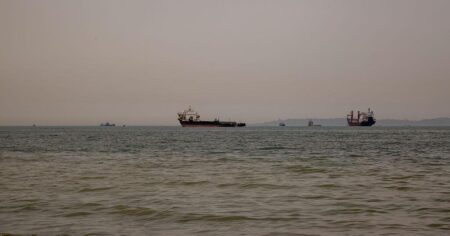
The urgency behind these enhanced defense arrangements stems from the dramatic increase in confrontations between Chinese and Philippine coast guard forces in the South China Sea over recent years. These incidents have ranged from dangerous near-collisions and water cannon attacks to blocking maneuvers that have prevented Philippine vessels from resupplying remote military outposts and fishing communities. The Philippines isn’t alone in facing Chinese pressure in these waters—Vietnam, Malaysia, Brunei, and Taiwan are all involved in overlapping territorial disputes with Beijing, which claims nearly the entire South China Sea based on historical grounds that an international tribunal decisively rejected in 2016. Philippine Ambassador to Washington Jose Manuel Romualdez, who participated in Monday’s talks, revealed that U.S. and Filipino defense officials discussed the potential deployment this year of “upgraded” versions of U.S. missile launchers, with the possibility that the Philippines might eventually purchase these systems for its own permanent use. “It’s a kind of system that’s really very sophisticated and will be deployed here in the hope that, down the road, we will be able to get our own,” Romualdez explained, indicating that these deployments serve both immediate deterrence purposes and longer-term capability building for the Philippine military.
Technical Capabilities and Strategic Positioning
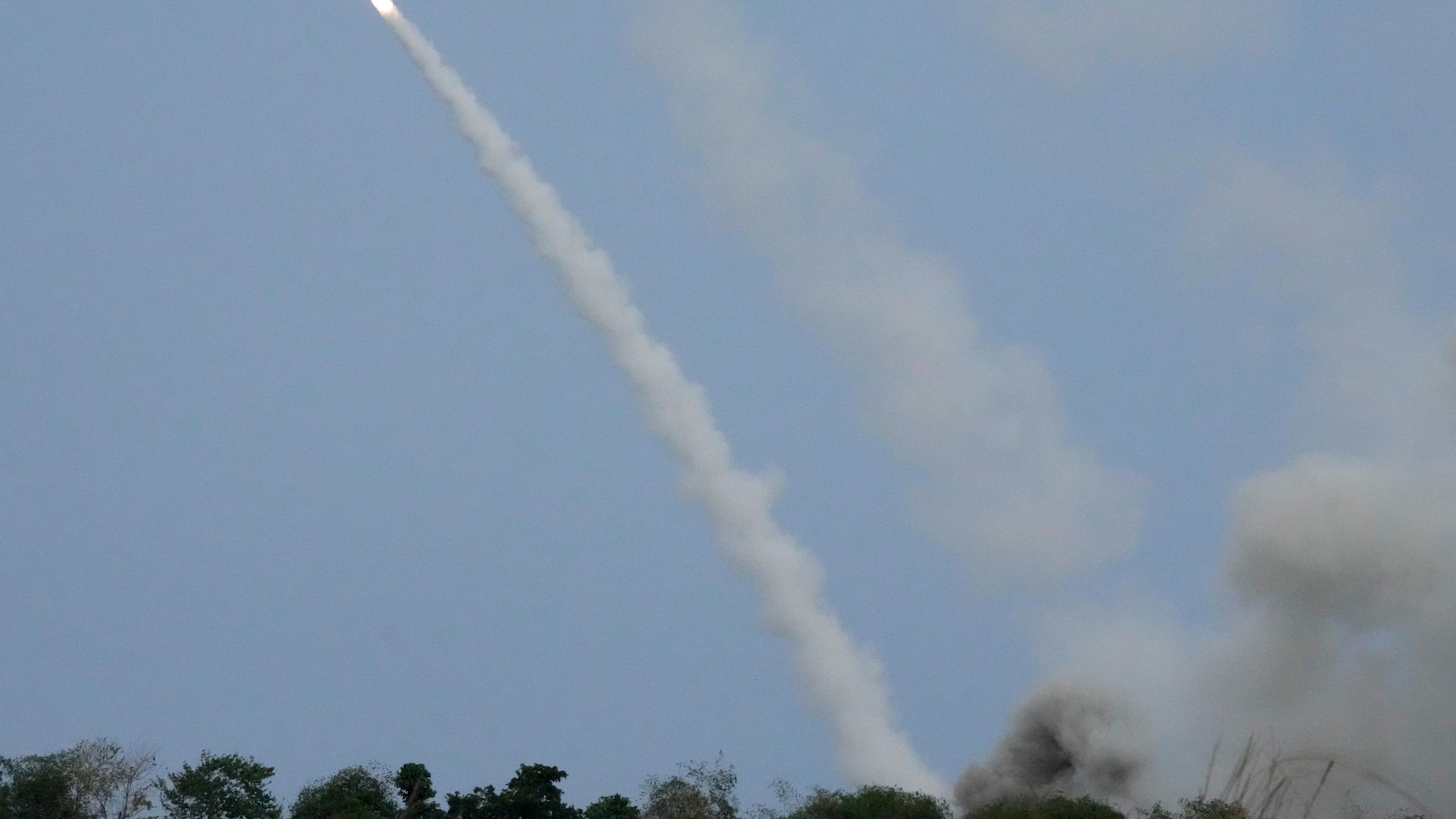
The missile systems currently deployed or planned for the Philippines represent some of the most advanced weapons in the U.S. military arsenal. The Typhon missile system, which the U.S. Army brought to the northern Philippine region of Luzon in April 2024, remains in place and can fire both the Standard Missile-6 and the Tomahawk Land Attack Missile. The Tomahawk’s range of over 1,000 miles means that from Luzon, these missiles could reach targets deep within China, providing a significant deterrent capability. Additionally, an anti-missile launcher called the Navy Marine Expeditionary Ship Interdiction System was deployed in April of the previous year, also to Luzon, and continues to operate there. During joint military exercises, U.S. forces have been conducting training sessions to familiarize Filipino personnel with these weapons systems, demonstrating their capabilities and usage to successive groups of Philippine military members. Last year saw further strategic positioning when U.S. Marines deployed the anti-ship missile launcher to Batan island in the northernmost Philippine province of Batanes, which faces the Bashi Channel directly south of Taiwan. This narrow sea passage represents one of the most critical trade and military routes in the entire region, and both American and Chinese forces have been working to establish strategic control over it given its importance for naval movements and commercial shipping.
Defense Not Aggression: The Deterrence Strategy
Ambassador Romualdez was careful to emphasize that these U.S. missile deployments are not intended to provoke or antagonize any country, but rather serve purely defensive purposes. “It’s purely for deterrence,” he stated clearly, adding that “every time the Chinese show any kind of aggression, it only strengthens our resolve to have these types.” This framing reflects the fundamental strategic logic behind the deployments—that visible, credible defensive capabilities can actually prevent conflict by raising the costs of aggressive action and demonstrating that such action will not succeed. For the Philippines, which possesses one of the weakest militaries in Southeast Asia despite being one of the region’s largest countries, the presence of advanced American weapons systems provides capabilities that would take decades and enormous financial resources to develop independently. For the United States, these deployments serve multiple purposes: honoring treaty commitments to defend the Philippines, maintaining credible deterrence against Chinese expansion, preserving the freedom of navigation that underpins global commerce, and reassuring regional allies and partners that America remains committed to the Indo-Pacific region. As tensions continue to simmer in the South China Sea, with no diplomatic resolution in sight to the underlying territorial disputes, these missile deployments represent a significant escalation in the military dimension of the competition between the United States and China for influence and security in one of the world’s most economically vital and strategically contested regions.