


Tragic Loss: Surfing Legend Kurt Van Dyke Killed in Costa Rica Home Invasion
A Pioneering Surfer’s Life Cut Short
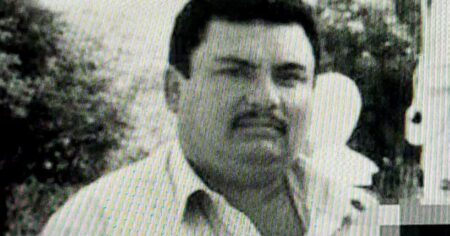
The surfing community is mourning the devastating loss of Kurt Van Dyke, a 66-year-old American surfing pioneer who was brutally murdered during a home invasion in Costa Rica this past Saturday. Van Dyke, who had made the Central American country his home for many years, was found dead in his apartment in Cahuita Limon, a picturesque coastal province approximately 100 miles east of the capital city of San Jose. Originally from Santa Cruz, California, Van Dyke wasn’t just another expatriate living abroad—he was a respected figure in surfing history, considered one of the trailblazers who helped establish the surf culture in Northern California during the sport’s formative years. His death has sent shockwaves through both the local Costa Rican surfing community where he was a beloved fixture, and the international surfing world that remembered him as one of the sport’s true originals.
Details of the Horrific Attack
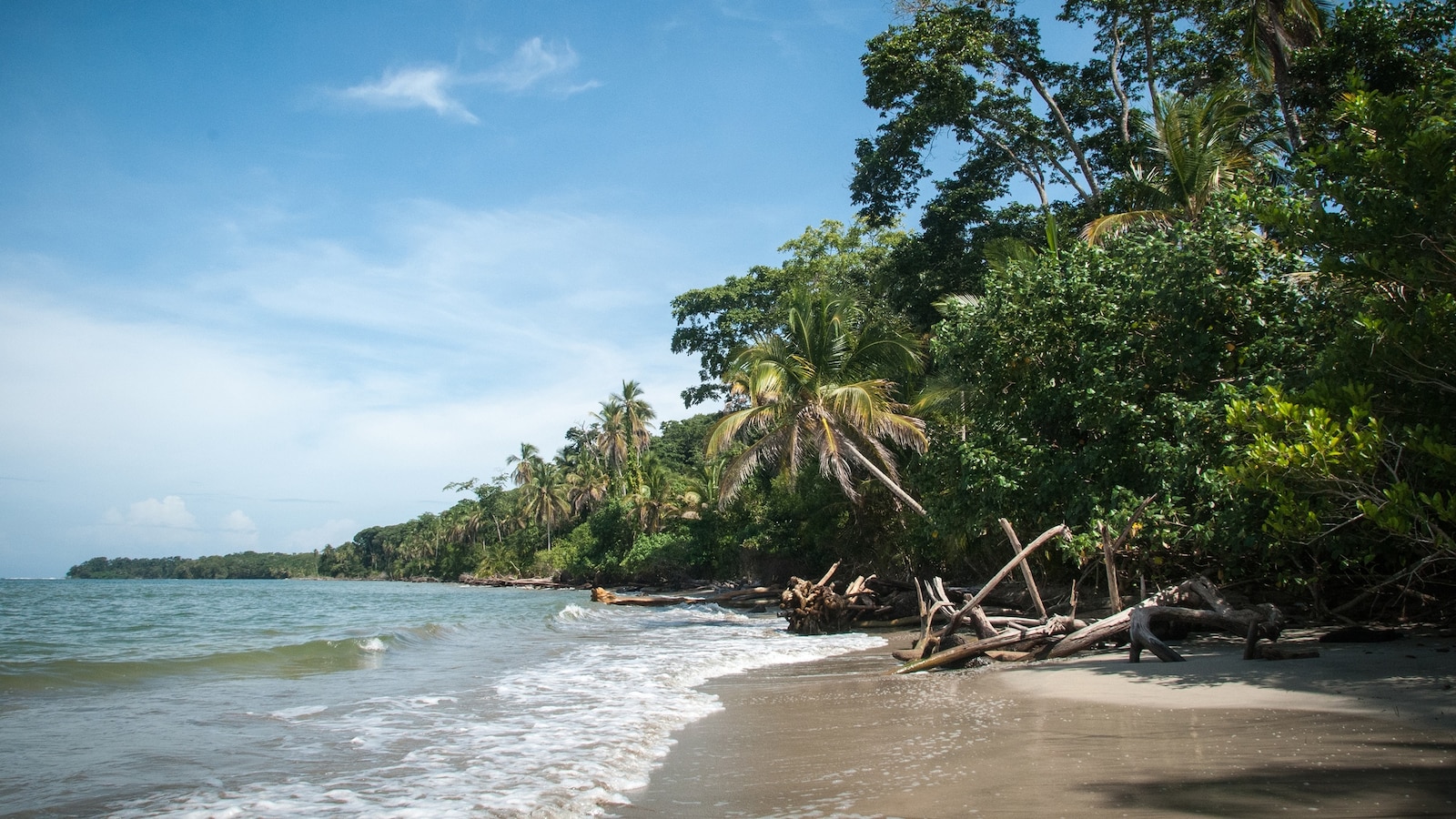
According to the Costa Rican National Police, authorities received an emergency call about an armed break-in at approximately 10:50 a.m. on Saturday morning. When officers arrived at the apartment in Cahuita Limon, they discovered a scene of terrible violence. Van Dyke had been strangled and stabbed multiple times in what appears to have been a brutal and senseless attack. Police found his body hidden under a bed with a sheet covering his face, suggesting the attackers had attempted to conceal their crime before fleeing the scene. The details paint a picture of a violent confrontation that turned deadly, shattering the peace of what should have been a tranquil weekend morning in this coastal community. The location itself—Cahuita Limon—is known for its stunning Caribbean beaches and laid-back atmosphere, making this violent crime all the more shocking to both residents and the expatriate community that calls this region home.
A Survivor’s Ordeal and the Attackers’ Escape
Van Dyke was not alone during the attack. A woman who was also present in the apartment survived the assault, though she sustained injuries that required hospitalization. Authorities have confirmed to ABC News that while she was injured during the violent home invasion, her wounds are not life-threatening, offering at least one small measure of relief in this otherwise tragic situation. Her survival may prove crucial to the investigation, as she could potentially provide eyewitness testimony about the attackers and the events that unfolded. According to police reports, two suspects are believed to have broken into the apartment that morning. After committing the murder, the perpetrators fled the scene in Van Dyke’s vehicle, a Hyundai Elantra, which they stole as their getaway car. The theft of the vehicle suggests this may have been a robbery gone tragically wrong, though investigators have not yet released information about what else, if anything, was taken from the apartment or what the specific motive behind the attack might have been.
The Investigation Continues
As of now, no arrests have been made in connection with Van Dyke’s murder, and Costa Rican authorities are actively pursuing leads in the case. Police investigators are examining CCTV camera footage from the area as part of their ongoing investigation, hoping that surveillance video might capture images of the suspects or the stolen vehicle that could help identify the perpetrators. The use of security camera footage has become an increasingly important tool in criminal investigations, and authorities are likely reviewing recordings from cameras near the apartment, along nearby roads, and at any businesses or intersections the suspects might have passed while making their escape. The fact that the stolen Hyundai Elantra is still outstanding means police are also likely circulating descriptions of the vehicle to checkpoints and other law enforcement agencies throughout Costa Rica. The investigation remains active and developing, with authorities working to piece together the timeline of events and gather evidence that will lead them to those responsible for this heinous crime.
Remembering a Surfing Legend
Kurt Van Dyke’s legacy extends far beyond the tragic circumstances of his death. As Surfer.com notes, he was a longtime resident of Costa Rica who had become deeply integrated into the local surfing community. Those who knew him described him as well-known and respected among local surfers, someone who had found his place in the waves and culture of Costa Rica’s Caribbean coast. But his impact on surfing began decades earlier in his native California. Hailing from Santa Cruz, Van Dyke was part of a generation of surfers who pioneered the sport in Northern California during an era when surfing was still establishing itself as both a sport and a lifestyle. Northern California’s cold waters and powerful waves presented unique challenges that helped forge a particular breed of surfer—hardy, dedicated, and deeply connected to the ocean. Van Dyke was among those who embraced these challenges and helped build the surfing community in the region, earning his place as one of the sport’s early innovators. His journey from the cold Pacific waters of California to the warm Caribbean waves of Costa Rica represents the kind of life many surfers dream about—following the waves, finding new breaks, and building community wherever the ocean calls.
A Community in Mourning and Questions That Remain
The murder of Kurt Van Dyke has left both the local Costa Rican community and the broader international surfing world searching for answers and struggling to make sense of such a senseless act of violence. For the expatriate community in Costa Rica, particularly in coastal areas that attract surfers, retirees, and others seeking a different pace of life, this tragedy serves as a stark reminder of safety concerns that can exist anywhere. While Costa Rica is generally considered safer than many of its Central American neighbors and has built much of its economy around tourism and attracting foreign residents, violent crime does occur, and this incident will likely prompt many in the expat community to reassess their security measures. For the surfing community specifically, Van Dyke’s death represents the loss of a living connection to the sport’s history—someone who had witnessed and participated in surfing’s evolution over decades and who carried those experiences and stories with him to his adopted home. As this story continues to develop and as investigators work to bring those responsible to justice, the surfing world will be watching closely, hoping for resolution while remembering a man who dedicated his life to riding waves and building community around the sport he loved. Additional details about the circumstances surrounding Van Dyke’s death, the investigation’s progress, and any potential arrests will emerge as authorities continue their work, but for now, the focus remains on remembering a life well-lived and seeking justice for a senseless crime.