


Trump Administration Halts Minnesota Medicaid Funding Over Fraud Allegations
A New Federal Crackdown on Healthcare Program Misuse
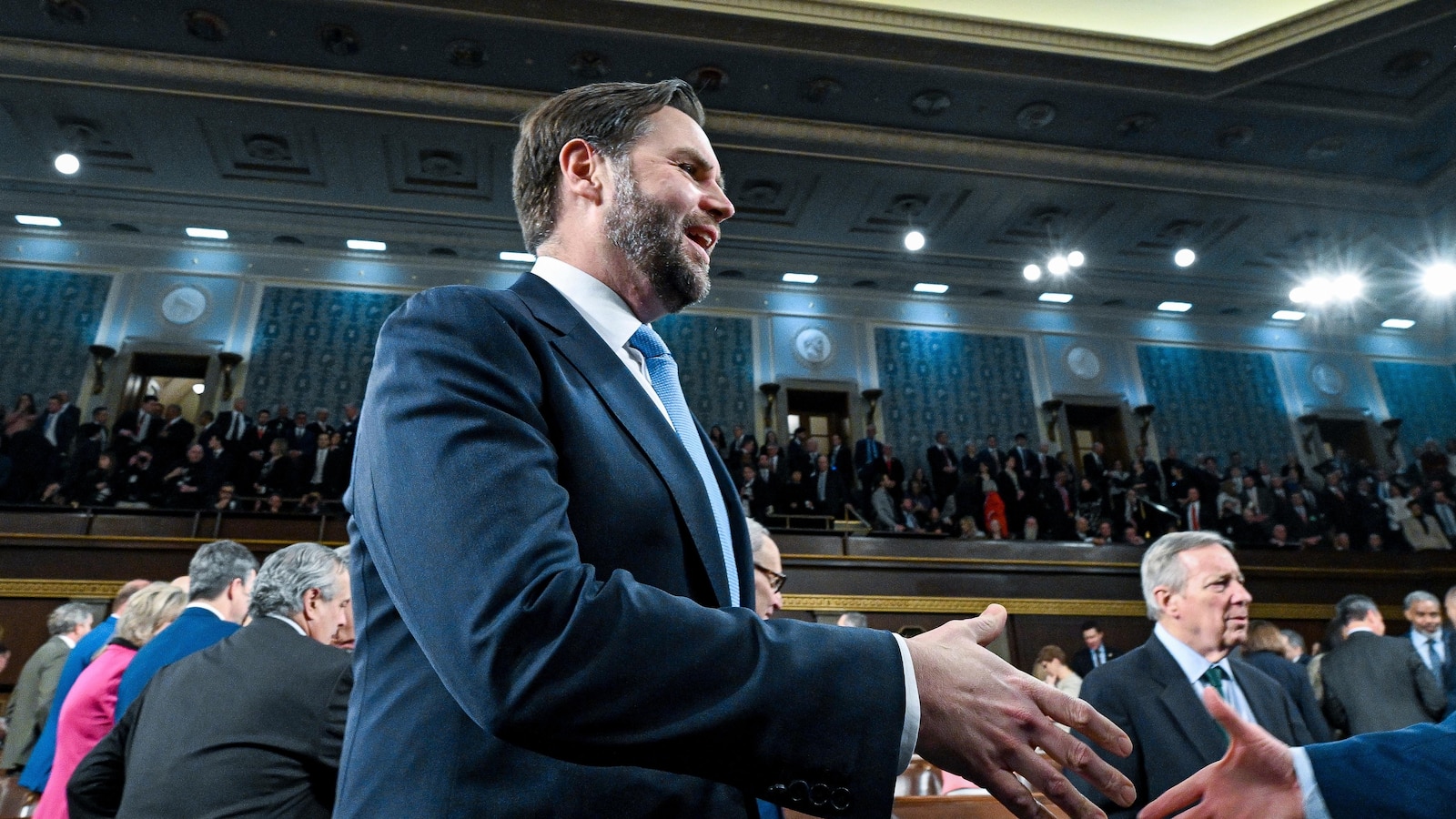
In a significant move that could affect millions of Americans who depend on public healthcare, Vice President JD Vance announced on Wednesday that the Trump administration would be putting a temporary hold on certain Medicaid funding to Minnesota. The announcement, which came during a joint press conference with Dr. Mehmet Oz, who now serves as the administrator for the Centers for Medicare and Medicaid Services, represents a dramatic escalation in the administration’s approach to addressing alleged fraud in federal healthcare programs. The decision affects a state where Medicaid serves as a critical lifeline for vulnerable populations, and it signals what appears to be a broader strategy of using federal funding as leverage to enforce stricter oversight of public assistance programs.
Vance framed the action as a matter of fiscal responsibility and accountability, stating that the administration was taking this step “in order to ensure that the state of Minnesota takes its obligations seriously to be good stewards of the American people’s tax money.” This language suggests that the administration believes state officials have not been adequately monitoring how federal healthcare dollars are being spent. Medicaid, which functions as America’s healthcare safety net for low-income individuals and families, currently serves nearly 70 million people across the country as of late 2025. The program represents one of the largest federal expenditures, making it a natural target for administrations concerned about government spending and program integrity. However, the decision to withhold funding raises important questions about how such actions might impact ordinary citizens who rely on these programs for essential medical care, prescription medications, and preventive health services.
The Broader Context: A National Focus on Fraud
Wednesday’s announcement regarding Minnesota is not an isolated incident but rather part of what the Trump administration has characterized as an aggressive, nationwide effort to identify and eliminate fraud in federal programs. This initiative has already manifested in several ways across different states and communities. The administration’s focus has been particularly intense in areas with significant immigrant populations, where officials claim to have identified patterns of fraud that warrant federal intervention. This approach has generated considerable controversy, with critics arguing that the administration is conflating legitimate concerns about program integrity with immigration enforcement priorities, potentially stigmatizing entire communities in the process.
The Minnesota situation has particular roots in allegations surrounding day care centers in Minneapolis, many of which were operated by members of the Somali community. These allegations of fraud triggered what has been described as a massive immigration crackdown in the city, leading to widespread protests from community members and advocates who argue that the response has been disproportionate and discriminatory. The connection between fraud allegations and immigration enforcement has created a climate of fear in immigrant communities, with many families now hesitant to access public benefits to which they may be legally entitled. The protests that followed the crackdown reflect deep tensions between federal enforcement priorities and local community values, particularly in a state like Minnesota that has traditionally been welcoming to refugee and immigrant populations.
Controversial Tactics and Accusations
Dr. Mehmet Oz, whose appointment to lead the Centers for Medicare and Medicaid Services was itself controversial given his background as a television personality rather than a healthcare administrator, has been actively involved in publicizing alleged fraud cases. In January, Oz posted a video on social media that claimed billions of dollars in hospice and home care fraud was occurring in Los Angeles. The video, which quickly went viral, showed Oz standing in front of an Armenian bakery while making explosive allegations. Most troublingly, he suggested without providing concrete evidence that much of the fraud was “run by the Russian Armenian mafia.” This claim immediately drew sharp criticism from California Democrats and community advocates who accused Oz of ethnic stereotyping and making inflammatory accusations without sufficient proof.
The incident highlights a pattern in how the administration has been approaching the fraud issue—using social media and public announcements to make dramatic claims that generate attention and concern, but sometimes lacking the detailed evidence that would typically accompany such serious allegations. Critics argue that this approach can damage the reputations of entire communities and businesses based on unproven claims, while supporters contend that bold action is necessary to address what they see as rampant abuse of taxpayer dollars. The controversy also raises questions about whether public health officials should be using social media platforms to make law enforcement-style allegations, and whether such tactics serve the broader mission of ensuring healthcare access for vulnerable Americans.
An Expanding Arsenal of Enforcement Tools
In a Fox News Channel interview that aired earlier on Wednesday, Vice President Vance provided additional details about the administration’s strategy, revealing that the effort would involve multiple federal agencies working in coordination. Beyond the Centers for Medicare and Medicaid Services, Vance indicated that both the Justice Department and the Treasury Department would be playing active roles in investigating suspected fraud. Particularly noteworthy was his mention that investigators would be examining tax records as part of their efforts to uncover fraudulent activity. This multi-agency approach represents a significant expansion of the federal government’s traditional oversight of healthcare programs, bringing in law enforcement and financial regulatory authorities in ways that previous administrations had not fully utilized.
“There’s a whole host of tools that we have never used,” Vance stated during the interview, suggesting that the administration sees its approach as breaking new ground in how the federal government monitors and enforces compliance with program rules. This comment raises important questions about what other “tools” might be deployed and whether there are adequate safeguards to protect the rights of individuals and organizations under investigation. While supporters of aggressive fraud enforcement argue that creative use of federal authority is necessary to address sophisticated fraud schemes, civil liberties advocates worry about potential overreach and the possibility that such broad investigations could sweep up innocent parties or violate privacy protections. The coordination between health agencies, law enforcement, and financial regulators also creates a powerful surveillance apparatus that could have implications extending far beyond Medicaid fraud prevention.
Implications and Concerns Moving Forward
The decision to halt funding to Minnesota, even temporarily, could have serious real-world consequences for the state’s most vulnerable residents. Medicaid provides essential healthcare services to children, pregnant women, elderly individuals, people with disabilities, and low-income families who would otherwise have no access to medical care. Any disruption in funding could force difficult choices for state officials, potentially leading to delayed payments to healthcare providers, reduced services, or administrative complications that prevent eligible individuals from accessing care. Healthcare providers in Minnesota are now in a state of uncertainty, unsure of how long the funding halt will last or what specific steps the state must take to satisfy federal concerns.
The broader implications of this approach extend beyond Minnesota and could reshape the relationship between federal and state governments in administering safety net programs. If the administration continues to use funding holds as a tool to enforce compliance or punish perceived failures in oversight, other states may face similar actions. This could create a climate where states become more focused on avoiding federal penalties than on maximizing access to services for their residents. Additionally, the emphasis on fraud prevention, while certainly important, must be balanced against the equally important goal of ensuring that eligible individuals can easily access the benefits they need. Overly aggressive enforcement can create bureaucratic barriers that deter legitimate applicants, particularly in immigrant communities already fearful of government scrutiny. As this situation continues to develop, policymakers, healthcare providers, advocates, and affected communities will be watching closely to see whether the administration’s approach succeeds in eliminating fraud without causing unintended harm to the millions of Americans who depend on Medicaid for their healthcare needs.