


Vatican Celebrates 400 Years of St. Peter’s Basilica with Visitor-Friendly Upgrades
A New Era of Accessibility for One of Christianity’s Holiest Sites
The Vatican is pulling out all the stops to celebrate a major milestone – the 400th anniversary of St. Peter’s Basilica’s consecration. But this isn’t just about looking back at history. Church officials are thinking about the future, too, with a series of practical improvements designed to make visiting this iconic landmark a better experience for the millions of pilgrims and tourists who flock there each year. From expanded rooftop access to modern conveniences and high-tech solutions, the Vatican is proving that even a 400-year-old building can adapt to meet the needs of 21st-century visitors. The announcement came Monday as officials outlined their comprehensive plan to manage the massive crowds while preserving the basilica’s priceless artistic and spiritual treasures.
Making the Wait Worthwhile: New Reservation System and Language Support
Anyone who’s visited St. Peter’s Basilica knows the drill – long lines snaking around St. Peter’s Square, often requiring hours of patience under the Roman sun or in the rain. It’s been a rite of passage for tourists and pilgrims alike, but the Vatican recognizes that not everyone has unlimited time on their vacation or pilgrimage. That’s why they’re introducing a new online reservation system, which should dramatically reduce those exhausting waits. Think of it like booking a table at a restaurant or reserving tickets for a museum – visitors will be able to plan their visit in advance and show up at a designated time, making the whole experience much more manageable. Additionally, the Vatican is taking inclusivity to a new level by offering simultaneous translations for Masses in up to 60 different languages. This means that whether you speak Swahili, Korean, Portuguese, or any of dozens of other languages, you’ll be able to fully participate in and understand the Mass, making the spiritual experience accessible to truly global community of faithful.
Pizza with a View? The Terrace Controversy Explained
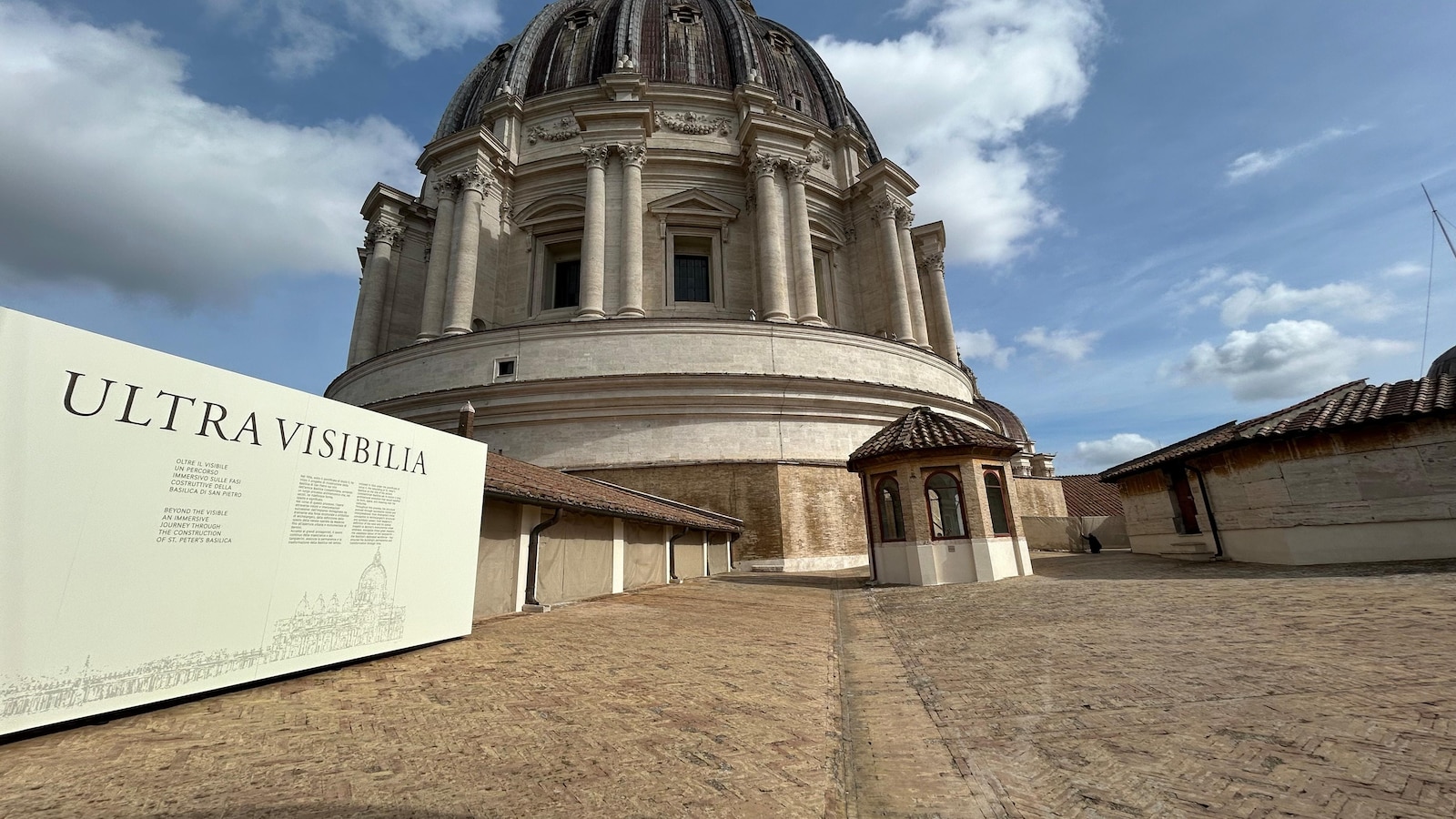
When Italian media outlets reported that the Vatican planned to expand its rooftop snack bar, eyebrows shot up across the Catholic world and beyond. A bistro on top of St. Peter’s Basilica? Serving pizza in the shadow of Michelangelo’s magnificent dome, right above the tomb of St. Peter himself? It sounded almost sacrilegious to some critics. But before we get too judgmental, let’s consider the reality of the situation. There’s already a snack bar up there – this isn’t a brand-new commercial venture. The Vatican is simply expanding an existing facility, nearly doubling its size to better serve visitors. Cardinal Mauro Gambetti, who defended the expansion on Monday, made a perfectly reasonable point: after climbing hundreds of steps to reach the cupola of St. Peter’s – that breathtaking dome designed by Michelangelo himself – visitors are understandably hungry, thirsty, and in need of bathroom facilities. The terrace offers spectacular panoramic views of Rome, and providing basic amenities there isn’t about commercializing sacred space; it’s about basic hospitality and recognizing the physical needs of real people making real pilgrimages.
History Comes Alive: New Exhibition Space and Educational Opportunities
Beyond snacks and shorter lines, the Vatican is creating something with lasting educational value – a permanent exhibition on the terrace that traces the fascinating history of St. Peter’s Basilica. This is a story worth telling in depth. The current basilica, consecrated in 1626 by Pope Urban VIII, actually replaced an earlier basilica that stood on the same spot. The construction of the current structure took over a century and involved some of history’s greatest artists and architects, including Bramante, Raphael, and of course, Michelangelo. This new exhibition will give visitors context for what they’re seeing, helping them understand not just the “wow factor” of the building’s beauty, but the human stories, artistic evolution, and spiritual significance behind every column, statue, and painted ceiling. It’s one thing to walk through St. Peter’s and snap photos; it’s quite another to understand the layers of history beneath your feet and the creative genius visible in every direction. This exhibition will transform casual tourists into informed visitors who can truly appreciate what they’re experiencing.
A Font Fit for a Master: Honoring Michelangelo’s Legacy
In a delightfully creative tribute to Michelangelo, the Vatican is introducing something you can actually use in your everyday life – a new font for Microsoft Office called “Michelangelus,” created using the Renaissance master’s actual handwriting. This might seem like a small thing, but it’s a charming way to bring a piece of history into the modern world. Imagine typing your emails or creating documents in the same flowing script that Michelangelo used when he sketched his revolutionary designs or wrote his poetry (yes, the artist was also a published poet). It’s a reminder that Michelangelo wasn’t just a name in a history book or an artist whose works hang in museums – he was a real person who wrote notes, made lists, and communicated through pen and paper just like we do. By making his handwriting available to everyone with a computer, the Vatican is democratizing access to his legacy in an unexpectedly personal way. It’s these kinds of thoughtful touches that make this 400th-anniversary celebration more than just ceremony and speeches.
Balancing Reverence and Practicality in the Modern Age
The Vatican’s comprehensive plan for St. Peter’s Basilica reflects a delicate balancing act that religious institutions worldwide must navigate: how do you preserve sacred spaces and traditions while meeting the practical needs of contemporary visitors? The initiatives announced Monday – sponsored by Italian energy company ENI – show that the two goals aren’t mutually exclusive. Yes, St. Peter’s Basilica is one of Christianity’s holiest sites, built over the tomb traditionally believed to be St. Peter’s final resting place. But it’s also a living church that serves real people, not a museum piece sealed off from everyday life. The millions who visit each year come with spiritual hunger, but also with physical needs – they get tired, hungry, and thirsty; they speak different languages; they have limited vacation time; they want to understand what they’re seeing. By addressing these practical realities with online reservations, language accessibility, educational exhibits, and yes, expanded food service, the Vatican is actually honoring the basilica’s purpose rather than diminishing it. These improvements will help ensure that St. Peter’s continues to inspire, educate, and serve visitors for the next 400 years, maintaining its relevance while protecting its irreplaceable artistic and spiritual treasures for future generations to experience and cherish.