
U.S. Embassy Issues Urgent Warning as Iran Strikes Gulf Hotels
Hotels Become Targets in Escalating Regional Conflict
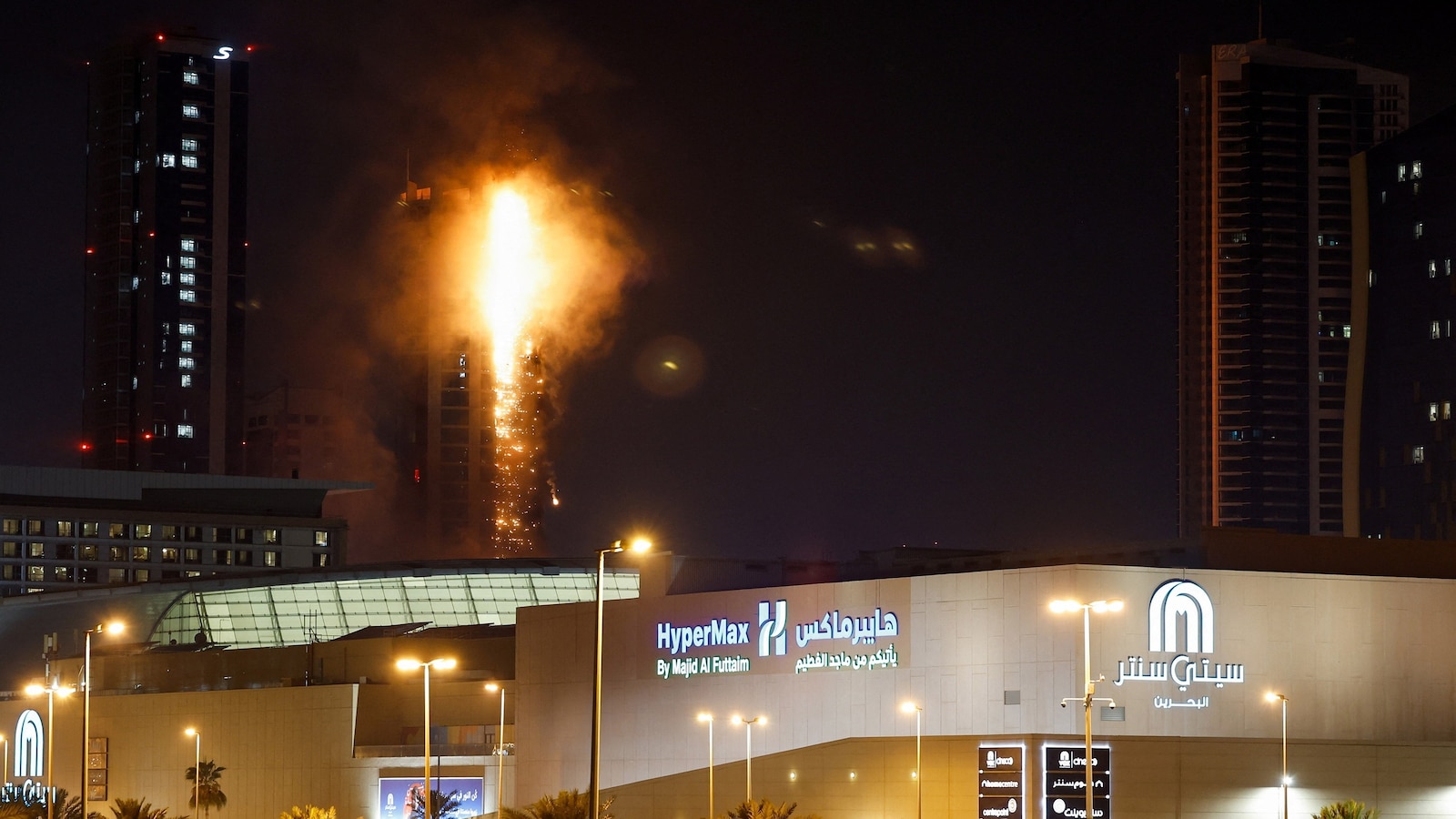
The United States Embassy in Bahrain has issued an urgent security alert to American citizens following a concerning development in the ongoing conflict with Iran. According to embassy officials, the Crowne Plaza Hotel in Manama was struck on March 1, 2026, leaving several people injured. This incident marks a disturbing shift in the nature of Iran’s retaliatory attacks, now targeting civilian hospitality facilities rather than strictly military or government installations. The embassy’s statement, shared via social media platform X, explicitly warned Americans in Bahrain that hotels could become targets for future attacks and strongly advised U.S. citizens to stay away from hotels in the capital city of Manama. This warning represents one of the most specific threat assessments issued to American travelers in the Gulf region in recent memory, highlighting the unpredictable and dangerous security environment currently facing the area.
The hotel strike didn’t occur in isolation but is part of a broader pattern of Iranian retaliation following what has been described as a surprise joint U.S.-Israeli military operation that took place over the weekend. The exact nature of that operation hasn’t been fully disclosed, but Iran’s response has been swift, widespread, and devastating. The Iranian government has launched what can only be described as waves of missile and drone attacks across multiple Gulf states, creating a regional crisis that threatens not only military targets but civilian infrastructure and populations as well. This escalation has sent shockwaves through the international community and raised serious questions about the safety of civilians, including tourists, business travelers, and expatriates living and working throughout the Gulf region.
Mounting Casualties and Overwhelming Defensive Efforts in the UAE
The United Arab Emirates has borne the brunt of Iran’s retaliatory assault, with casualty figures continuing to climb as authorities work to assess the full extent of the damage. According to the UAE’s Ministry of Defense, at least three people have been killed and 58 others injured in the attacks that began following the U.S.-Israeli operation. The scale of Iran’s offensive against the UAE is staggering—the country reports that Iran has launched more than 100 missiles and an astonishing 500 drones into UAE territory since hostilities began. While the UAE’s defensive systems have proven relatively effective in intercepting missiles, with most being destroyed mid-flight or falling harmlessly into the sea, the sheer volume of drones has overwhelmed defenses in some areas. Thirty-five drones successfully penetrated UAE airspace and struck territory, causing the reported fatalities and injuries.
The UAE Ministry of Defense has emphasized that the country’s military remains on high alert and fully prepared to deal with any additional threats. In their official statement released on Sunday, ministry officials stressed that protecting the safety of citizens, residents, and visitors represents their highest priority—one that “cannot be compromised” under any circumstances. This commitment reflects the UAE’s position as not only a regional political player but also as a major international business hub and tourist destination, home to millions of expatriates from around the world. The attacks have struck at the heart of what makes the UAE attractive to international visitors and businesses: its reputation as a stable, safe haven in an often volatile region.
Dramatic Strikes on Dubai’s Iconic Landmarks
Perhaps the most visually striking and symbolically significant attacks occurred in Dubai, the UAE’s glittering commercial capital and tourism hub. Video footage that circulated on social media Saturday appeared to show explosions at the Palm Jumeirah, one of Dubai’s most recognizable landmarks. The Palm Jumeirah is a series of man-made islands in the Persian Gulf shaped like a palm tree, home to luxury hotels, high-end residences, and popular tourist attractions. Strikes on this location represent more than just a military action—they’re an attack on the symbols of Gulf prosperity and international openness that Dubai has worked decades to cultivate.
The UAE Ministry of Defense confirmed that the country’s air defense systems had intercepted missiles targeting both Abu Dhabi, the political capital, and Dubai, the commercial heart of the nation. While the interceptions were successful in preventing direct hits on populated areas, debris from the destroyed missiles fell to the ground, creating additional hazards. Fortunately, ministry officials reported that this debris caused no injuries, though the psychological impact of seeing explosions over some of the world’s most famous skylines cannot be understated. For the millions of residents and visitors in these cities, the attacks serve as a stark reminder that the region’s conflicts can reach even the most cosmopolitan and seemingly secure locations.
Iran’s Campaign Extends Across Multiple Gulf Nations
Iran’s retaliatory strikes have not been limited to the UAE and Bahrain but have extended across the Gulf region, affecting multiple countries and threatening to turn a bilateral conflict into a broader regional crisis. Qatar, Kuwait, and Oman have all reported being targeted by Iranian attacks, demonstrating Tehran’s willingness to strike across a wide geographic area in response to what it perceives as aggression against its interests. This multi-country targeting strategy appears designed to maximize pressure on the United States and its regional allies while demonstrating Iran’s military reach and resolve.
Qatar’s Ministry of Defense reported intercepting attacks on Sunday morning that involved both drones and cruise missiles launched by Iran. The country’s Ministry of Interior confirmed that civil defense teams were responding to a limited fire in an industrial area caused by shrapnel that fell after a missile was intercepted. Fortunately, no injuries were recorded in Qatar, but the incident highlights how even successful defensive actions can result in collateral damage. Kuwait has similarly been targeted, though specific details about attacks on Kuwaiti territory remain limited. The spread of Iranian attacks across so many countries in such a short time frame demonstrates a coordinated military campaign rather than isolated incidents.
Attacks on Mediators and International Condemnation
Perhaps most troubling from a diplomatic perspective is that Iran has even targeted Oman, a country that was actively serving as a mediator between the United States and Iran in an effort to de-escalate tensions. Oman has long maintained a carefully balanced foreign policy, maintaining good relations with both Western powers and Iran, positioning itself as a potential bridge between adversaries. The country’s capital, Muscat, has frequently hosted diplomatic talks aimed at resolving regional conflicts. That Iran would strike a nation actively working toward peaceful resolution represents either a significant escalation in Iran’s willingness to abandon diplomatic channels or a breakdown in coordination within Iran’s decision-making apparatus.
The attack on Oman drew swift and sharp condemnation from Qatar, which issued a statement describing the strikes as “an unacceptable escalation, and a cowardly targeting of a country playing an active role in mediation efforts.” This language is particularly strong in the typically measured world of Gulf diplomacy and signals genuine alarm among regional powers about where this conflict might lead. The targeting of a mediator not only damages immediate peace prospects but also sets a dangerous precedent that could discourage future mediation efforts. If countries that position themselves as neutral facilitators of dialogue become targets themselves, it removes one of the key mechanisms by which regional conflicts have historically been contained and resolved. The international community now faces the urgent challenge of finding pathways to de-escalation even as traditional diplomatic channels appear to be closing and the scope of the conflict continues to expand across the Gulf region.