


Trump’s Drug Pricing Claims: A Closer Look at the Reality Behind the Promises
The President’s Bold Declaration on Prescription Drug Costs
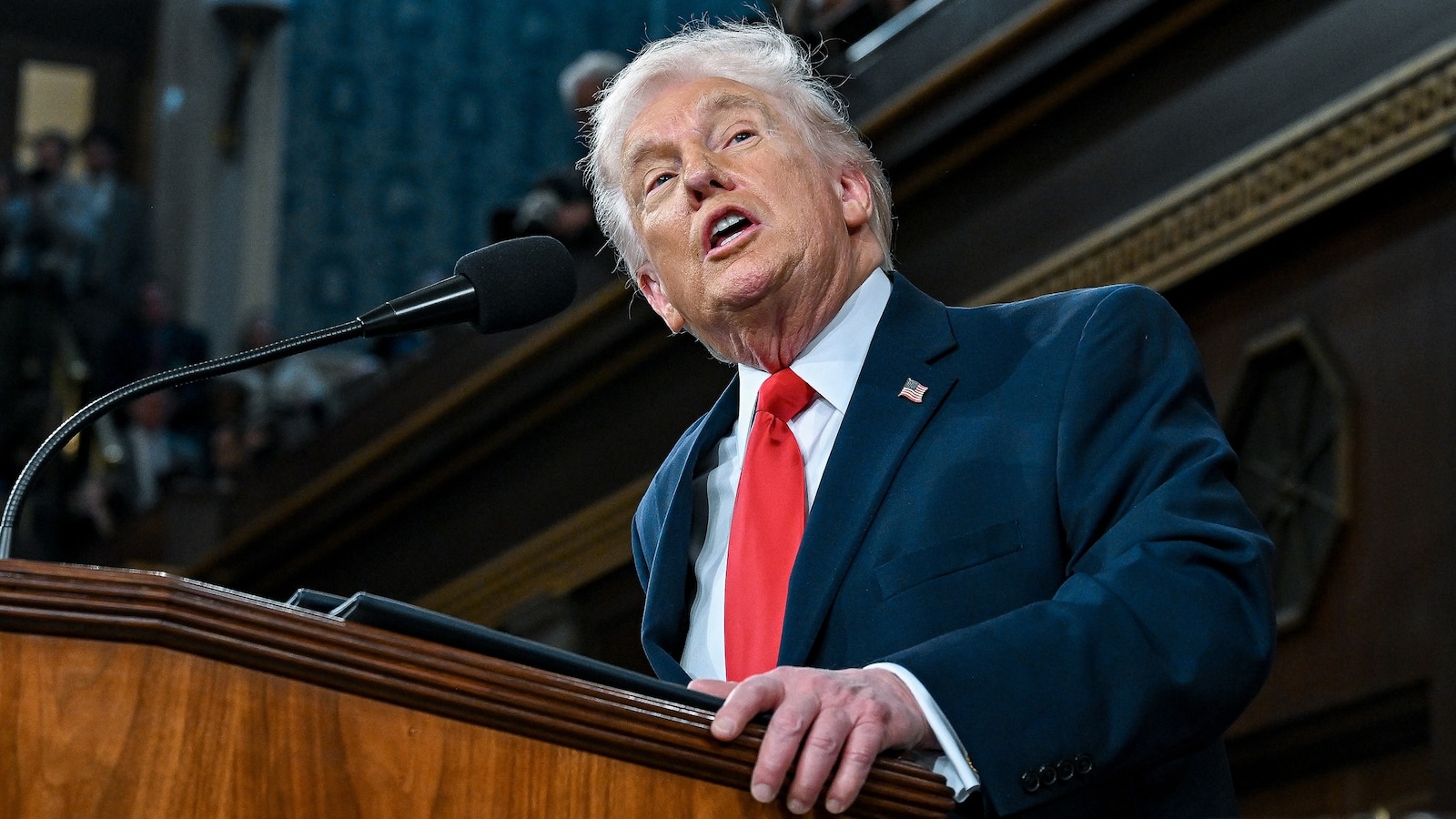
During Tuesday night’s State of the Union address, President Donald Trump made sweeping claims about his administration’s success in lowering prescription drug prices for Americans. Standing before Congress and the nation, Trump confidently declared that he had accomplished what previous administrations could not: ending the “wildly inflated cost of prescription drugs” in the United States. The president specifically pointed to his “most favored nation agreements” as the mechanism that would transform America from paying the highest drug prices in the world to paying the lowest. “I took prescription drugs, a very big part of health care, from the highest price in the entire world to the lowest. That’s a big achievement,” Trump proclaimed, framing this as a defining accomplishment of his second term’s first year. The claim resonated with millions of Americans who have struggled with the burden of expensive medications, offering hope that relief might finally be on the horizon. However, as with many bold political statements, the reality behind these claims proves to be considerably more nuanced and complex than the president’s triumphant rhetoric suggests.
What the Experts Say: A Mixed Picture of Progress
Healthcare policy experts and economists who spoke with ABC News paint a more complicated picture of the prescription drug pricing landscape. While acknowledging that Trump has made some legitimate achievements in specific areas—particularly in reducing costs for certain fertility treatments and creating targeted discount programs for cash-paying patients—these specialists emphasize that many of the drug price reductions Americans are experiencing actually originated from policies enacted during the Biden administration or resulted from natural market competition. Kaye Pestaina, vice president at KFF (a nonpartisan health policy research organization), explained that it’s impossible to make blanket statements about drug prices being universally lowered. The impact varies dramatically depending on each individual’s specific circumstances, insurance status, and which medications they need. For some people, the discounts can be substantial and life-changing; for others with employer-provided insurance, the new programs may offer no benefit at all, as their existing coverage already provides better pricing. This reality check doesn’t necessarily diminish the value of what has been achieved, but it does highlight the gap between political messaging and the lived experiences of everyday Americans trying to afford their medications.
Understanding America’s Drug Pricing Problem and the Most Favored Nation Approach
Trump’s assertion that Americans have been paying some of the highest drug prices in the world is absolutely accurate, according to healthcare experts. Research from the RAND Corporation, a respected nonprofit global policy think tank, reveals that prescription drug prices in the United States run approximately 2.7 to 4.2 times higher than the costs other wealthy nations pay for identical medicines. This shocking disparity has been a source of frustration for decades, affecting millions of Americans who sometimes must choose between filling prescriptions and paying for other necessities. To address this long-standing problem, Trump’s administration implemented “most favored nation” (MFN) drug pricing agreements, which aim to ensure that the U.S. doesn’t pay more for prescription drugs than comparable countries. Under this policy framework, the administration secured voluntary price reduction agreements with 16 pharmaceutical companies, which pledged to offer discounts on certain drugs for people without insurance or who pay cash for their medications. These agreements form the foundation of Trump’s claims about revolutionizing drug pricing. However, experts point out a critical limitation: the lack of transparency surrounding these deals makes it extremely difficult to evaluate the administration’s sweeping claims. Without access to the specific terms, pricing structures, and coverage details of these agreements, independent verification of their actual impact remains challenging at best.
The TrumpRx Website: Innovation or Limited Solution?
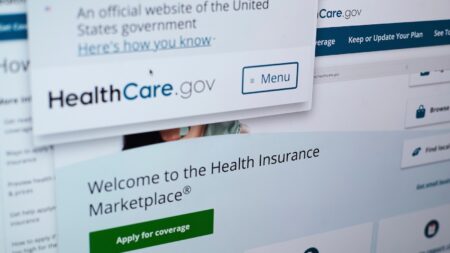
Central to the Trump administration’s drug pricing narrative is TrumpRx, a new government website designed to help Americans access discounted medications. The president has prominently featured this platform as evidence of his commitment to lowering drug costs. However, healthcare experts explain that TrumpRx itself doesn’t actually lower prices at pharmacies because it doesn’t sell drugs directly. Instead, the website functions as a directory that shows consumers discounted “self-pay” prices and provides links to manufacturer websites or printable coupons—many of which were already available through other channels before the platform launched. Benjamin Jolley, a pharmacist and senior fellow for healthcare at the American Economic Liberties Project, described how the system works: patients visit TrumpRx.gov, download a coupon for their medication, and present it at the pharmacy when picking up their prescription. The key restriction is that patients cannot use their insurance alongside these coupons—they must pay cash to receive the manufacturer discount. This limitation means the program primarily benefits those without insurance or those whose medications aren’t covered by their existing plans. Pestaina also noted that TrumpRx currently lists only 43 drugs, which represents “a drop in the bucket” compared to the thousands of FDA-approved medications available on the market. This limited scope significantly constrains the program’s ability to deliver on the promise of comprehensive drug price reform that the president’s rhetoric suggests.
The Real Story Behind Recent Drug Price Reductions
While Trump takes credit for broad reductions in prescription drug costs, experts point out that many of these price decreases actually stem from the Inflation Reduction Act, legislation signed into law by President Biden. This bill created powerful incentives for pharmaceutical manufacturers to reduce their drug prices, primarily through substantial rebates to pharmacies under the Medicare drug price negotiation program. The legislation fundamentally changed the economic calculus for drug manufacturers, making price reductions advantageous in ways that voluntary agreements alone could not achieve. Additionally, market competition has driven down prices for certain high-profile medications independently of any government intervention. The weight-loss drug market provides a clear example: fierce competition among GLP-1 medications like Zepbound and Wegovy had already pushed manufacturers to lower prices and offer direct-to-consumer discounts before TrumpRx even launched. Jolley, drawing on his experience as a practicing pharmacist, stated that he has not yet observed sweeping day-to-day reductions in what patients actually pay at the pharmacy counter that can be clearly attributed to executive actions taken during Trump’s second term. This disconnect between political announcements and pharmacy-level reality underscores the complexity of the drug pricing landscape and the challenge of implementing meaningful reform across the entire healthcare system.
Fertility Drug Discounts: A Genuine Achievement with Important Context
Among the various claims made during the State of the Union, Trump’s references to fertility medication discounts represent perhaps his administration’s most concrete and verifiable achievement in drug pricing. Last year, his administration negotiated a deal with EMD Serono, the world’s largest fertility drug manufacturer, to provide substantial discounts on fertility medications sold in the United States. This agreement specifically included Gonal-f, a widely-used fertility medication that stimulates egg development in women and, in certain cases, sperm production in men. Administration officials reported that fertility drugs typically cost between $5,000 and $6,000 per treatment cycle, with only about 30% of families having access to employer-based coverage that might help with these expenses. Under the new agreement, EMD Serono lists its fertility drugs at dramatically reduced prices on the TrumpRx platform. During his speech, Trump highlighted a woman in the audience who he said previously paid around $4,000 per cycle for her IVF medication out of pocket; similar treatments are now listed on TrumpRx for approximately $500—a reduction of up to 90%. Jolley confirmed that if Trump was indeed referencing Gonal-f, this would represent a meaningful and significant price reduction that could help many families pursuing fertility treatments. However, he cautioned that IVF remains extremely expensive overall, especially for those without insurance coverage. The discounted medication addresses only one portion of the total expense; procedures, tests, ultrasounds, egg retrieval, laboratory work, and embryo transfer still add thousands of dollars to the overall cost of fertility treatment. This achievement, while genuine and beneficial for those who can take advantage of it, illustrates both the possibilities and limitations of the administration’s approach to drug pricing reform—targeted successes that help specific populations but fall short of the universal transformation promised in political rhetoric.