


Justice After 14 Years: Arrest Made in Iowa Real Estate Agent’s Cold Case Murder
A Long-Awaited Break in a Haunting Case
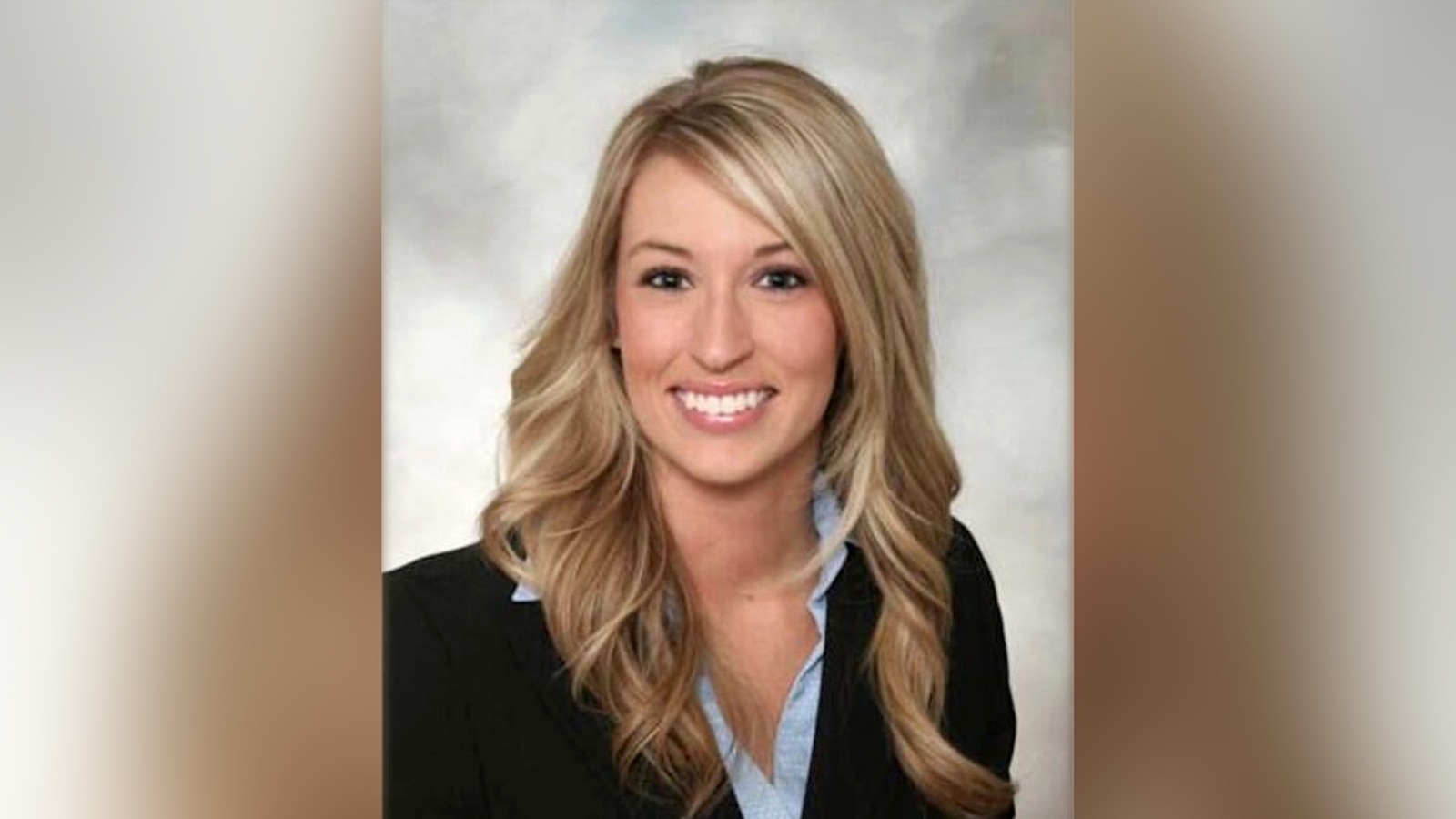
After nearly a decade and a half of uncertainty and heartbreak, authorities in West Des Moines, Iowa, have made a significant breakthrough in one of the state’s most chilling cold cases. On Tuesday, 53-year-old Kristin Ramsey was arrested and charged with first-degree murder in connection with the 2011 death of Ashley Okland, a real estate agent whose life was tragically cut short while she was simply doing her job. The announcement by the West Des Moines Police Department marks a pivotal moment in a case that has haunted not just Okland’s family, but an entire community for over thirteen years. The arrest came after a Dallas County grand jury reviewed evidence and issued an indictment against Ramsey, bringing renewed hope to those who have been waiting for answers about what happened that April afternoon in 2011.
The Tragic Day That Changed Everything
April 8, 2011, started as what seemed like an ordinary workday for Ashley Okland. The young real estate agent was working at a model townhouse, showcasing the property to potential buyers as part of her regular duties. It was the kind of routine assignment that real estate professionals undertake countless times throughout their careers—meeting clients, highlighting features of a home, and helping people envision their future lives in a new space. However, that Friday afternoon would become anything but routine. Okland was shot and killed while at the model home, a violent act that sent shockwaves rippling through West Des Moines and throughout the entire state of Iowa. According to West Des Moines Police Assistant Chief Jody Hayes, the tragedy didn’t just impact those who knew Okland personally; it profoundly affected the entire real estate community, leaving professionals who work in similar circumstances feeling vulnerable and shaken. The senseless nature of the crime—a woman killed while simply trying to earn a living—resonated deeply with people across various professions who understood that Okland was doing nothing more than her job when her life was taken from her.
An Unexpected Suspect Emerges
What makes this case particularly unsettling is the connection between the suspect and the crime scene itself. Kristin Ramsey, now 53 years old, was not a stranger to the location where Okland was killed. At the time of the murder, Ramsey worked for Rottlund Homes, the very company that had built the model home where the tragic shooting occurred. This detail adds another layer of complexity to an already perplexing case, raising questions about motive, opportunity, and the circumstances that led to that fateful day. Steven Kahn, who was Ramsey’s supervisor at the time, spoke to ABC News and expressed complete shock at the arrest. His disbelief was palpable as he struggled to reconcile the person he knew with the charges she now faces. “She was the nicest lady. I’m totally shocked,” Kahn said, his words reflecting the sentiment that those closest to suspects in such cases often feel—a profound disconnect between the person they thought they knew and the alleged actions that person committed. Kahn’s shock was further emphasized by his recollection that he sat next to Ramsey at Okland’s funeral, a detail that adds a disturbing dimension to the story. The fact that Ramsey attended the funeral of a woman she is now accused of murdering speaks to the complexity of human behavior and the masks people sometimes wear in their daily lives.
The Silent Investigation
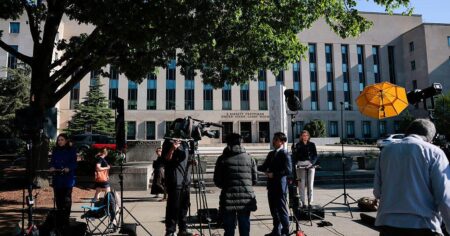
Law enforcement officials and prosecutors have remained tight-lipped about the specific evidence that led to Ramsey’s arrest after all these years. At a news conference held on Wednesday, Dallas County Attorney Matt Schultz offered only minimal information, stating simply, “After hearing the evidence, a Dallas County grand jury issued a true bill indicting Kristin Ramsey with the murder of Ashley Okland.” This careful withholding of details is standard procedure in ongoing criminal cases, designed to protect the integrity of the investigation and ensure that the defendant receives a fair trial. However, it also leaves the public with numerous unanswered questions: What evidence was presented to the grand jury? What technology or investigative techniques helped crack this cold case after so many years? Were there new witnesses who came forward, or did advances in forensic science help connect Ramsey to the crime? The silence from authorities, while frustrating for those seeking answers, suggests that prosecutors are building what they believe to be a strong case against Ramsey. The involvement of the Iowa Attorney General’s Office Cold Case Unit indicates that this investigation benefited from specialized expertise in reviewing and solving cases that have gone dormant for extended periods. Cold case units often bring fresh eyes to old evidence, apply new technologies to existing materials, and sometimes discover connections that earlier investigators may have missed.
A Family’s Long Journey Through Grief
For Ashley Okland’s family, the past fourteen years have been marked by unimaginable pain, frustration, and an ever-fading hope that they might one day understand what happened to their loved one. At Wednesday’s news conference, Okland’s sister, Brittany Bruce, spoke on behalf of the family, her words capturing both the weight of time and the flicker of hope that this arrest has reignited. “That Friday afternoon when Ashley was taken from us seems so long ago. We had lost our hope in finding answers and having any justice,” Bruce said, her statement reflecting the emotional toll that cold cases take on the families left behind. Living with unanswered questions about a loved one’s death creates a unique form of suffering—a grief that cannot fully process because the story remains incomplete. The family’s loss of hope over the years is particularly poignant; as time passes and cases grow colder, families often resign themselves to the painful reality that they may never know the truth about what happened. Yet Bruce’s words also conveyed profound gratitude to the investigators and prosecutors who never truly gave up on Ashley’s case, even when others might have moved on. “We have full confidence in their abilities to see this through,” she said, expressing both appreciation for the work that has been done and trust in the legal process that now lies ahead. For the Okland family, this arrest represents more than just legal proceedings—it’s the possibility of finally having answers and, perhaps, the ability to find some measure of peace after years of turmoil.
The Road Ahead and Lasting Impact
As Kristin Ramsey faces first-degree murder charges, the legal process will now unfold in the courts, where evidence will be presented, arguments will be made, and a jury will ultimately decide her fate. First-degree murder charges are the most serious that can be brought in a homicide case, typically reserved for killings that are premeditated and intentional. The fact that a grand jury issued an indictment suggests that prosecutors presented evidence convincing enough to establish probable cause that Ramsey committed this crime. However, an indictment is not a conviction, and Ramsey, like all defendants, is entitled to the presumption of innocence until proven guilty beyond a reasonable doubt. The case will likely attract significant attention not just because of the serious nature of the charges, but also because of the unusual circumstances—the long passage of time since the crime, the connection between the suspect and the crime scene, and the complete surprise expressed by those who knew Ramsey. Steven Kahn’s comments about seeing nothing in Ramsey’s professional life that would suggest a motive, while acknowledging he knew nothing about her personal life, highlight one of the central mysteries of this case that may or may not be revealed as the legal process moves forward. Beyond the courtroom, this case serves as a reminder that cold cases, even those that seem to have gone completely dormant, are never truly closed until they are solved. The dedication of the Iowa Attorney General’s Office Cold Case Unit and local law enforcement demonstrates that justice, while sometimes delayed, can still be pursued with vigor years after a crime has been committed. For the real estate community that was so deeply shaken by Okland’s death, this arrest may bring some comfort, though it cannot undo the tragedy or erase the fear that her murder instilled in professionals who work in similar settings. As this case proceeds through the legal system, Ashley Okland’s family, friends, and community will be watching closely, hoping that the justice system will provide the answers and accountability they have been seeking for more than thirteen years.