



China’s New Safety Regulations Ban Hidden Door Handles on Electric Vehicles
A Groundbreaking Safety Initiative in the World’s Largest Auto Market
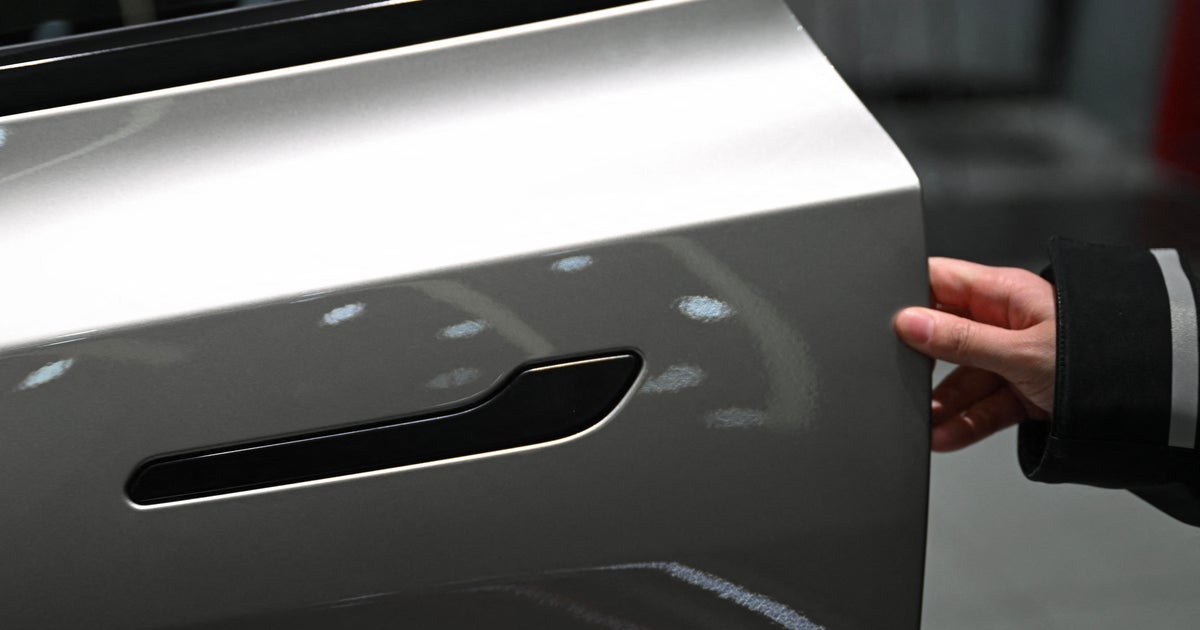
In a significant move that could reshape automotive design worldwide, China has announced it will prohibit the use of hidden door handles on vehicles starting in 2027. This regulatory change, spearheaded by China’s Ministry of Industry and Information Technology, specifically targets the sleek, retractable door handle design that has become synonymous with modern electric vehicles, particularly those manufactured by Tesla and other premium EV brands. The new mandate requires all passenger vehicle doors to incorporate a mechanical release function for handles, with only tailgates being exempt from this requirement. This decision comes in direct response to growing safety concerns following several tragic accidents involving electric vehicles where electronic door systems allegedly malfunctioned, leaving passengers trapped inside their vehicles during critical emergencies. As the world’s largest automotive market, China’s regulatory decision carries substantial weight and could trigger a domino effect of similar safety standards being adopted by other countries around the globe.
Understanding the Safety Concerns Behind the Ban
The impetus for this regulatory change stems from documented incidents where electronic door mechanisms failed during emergencies, with potentially fatal consequences. Hidden or retractable door handles, while aesthetically pleasing and aerodynamically beneficial, rely on electronic systems to function properly. In situations where a vehicle’s electrical system is compromised—such as during a fire, after a severe collision, or when the battery fails—these electronic door handles may become inoperable, effectively trapping occupants inside the vehicle. This creates a particularly dangerous scenario during emergencies when swift evacuation is critical for survival. The Chinese government’s decision to mandate mechanical release functions addresses this fundamental safety flaw by ensuring that passengers always have a reliable, non-electronic method of opening doors, regardless of the vehicle’s electrical status. This requirement acknowledges that while technological advancement and design innovation are important, they should never come at the expense of basic safety features that could mean the difference between life and death in emergency situations.
Implementation Timeline and Industry Impact
The regulatory framework establishes a clear timeline for compliance that takes into account the complexity of automotive design and manufacturing. For newly approved vehicle models, the mandatory mechanical door handle requirement takes effect on January 1, 2027, giving manufacturers approximately one year from the announcement to adjust their designs for new vehicles entering the Chinese market. Recognizing that automakers cannot immediately redesign and retrofit existing vehicle models, regulators have provided an extended compliance period for previously approved models, allowing manufacturers until January 1, 2029, to make necessary design modifications. This staged approach demonstrates an understanding of the automotive industry’s production cycles while maintaining firm safety standards. The impact of these regulations will be felt most acutely by manufacturers of premium electric vehicles, as retractable door handles have been positioned as a hallmark of luxury design and aerodynamic efficiency in this market segment. Major automakers including Tesla, with its popular Model Y and Model 3 vehicles, and BMW with its iX3 model, along with numerous Chinese electric vehicle brands, will need to undertake significant redesign efforts to comply with these new standards.
Global Implications and Potential Ripple Effects
According to Chris Liu, a senior analyst at the technology research and advisory group Omdia based in Shanghai, China’s decision represents a watershed moment in automotive safety regulation with potentially far-reaching global consequences. Liu emphasizes that China has become “the first major automotive market to explicitly ban electrical pop-out and press-to-release hidden door handles,” setting a precedent that other regulatory bodies worldwide are likely to examine closely. While safety concerns regarding hidden door handles have been raised in other jurisdictions, China is the first to translate these concerns into formal, enforceable national safety standards. This pioneering regulatory stance positions China as a leader in automotive safety policy, potentially influencing how other countries and regions approach similar safety issues. Liu suggests that regulators in Europe and other markets may reference or align their own standards with China’s approach, creating a potential global shift toward mandatory mechanical door release systems. The United States has also shown interest in this safety issue, with the National Highway Traffic Safety Administration opening an investigation last year into reported failures of Tesla’s electronic door handles, indicating that concern about this design feature extends well beyond China’s borders.
The Cost of Compliance and Design Challenges
For automotive manufacturers, particularly those specializing in premium electric vehicles, the new Chinese regulations present significant financial and engineering challenges. Retractable and hidden door handles are not merely cosmetic features; they serve important functional purposes in electric vehicle design. These handles contribute to improved aerodynamic efficiency by reducing drag, which directly impacts vehicle range—a critical selling point for electric vehicles. Additionally, the sleek, minimalist aesthetic created by hidden handles has become a distinctive design signature for premium EV brands, helping to differentiate their products in an increasingly competitive marketplace. Redesigning vehicles to incorporate mechanical door handles while maintaining aerodynamic performance and aesthetic appeal will require substantial investment in engineering, testing, and retooling manufacturing processes. Companies will need to develop innovative solutions that satisfy regulatory requirements while preserving the design language and performance characteristics that appeal to their target customers. The costs associated with these redesigns and retrofits could be substantial, potentially affecting vehicle pricing and profit margins, particularly for manufacturers who have built their brand identity around minimalist, technology-forward design philosophies.
Looking Ahead: The Future of Automotive Design and Safety
China’s ban on hidden door handles represents more than just a regulatory change; it signals a broader recalibration of priorities in automotive design, emphasizing that fundamental safety must take precedence over aesthetic innovation and technological sophistication. This regulatory action serves as a reminder to the automotive industry that the rapid pace of technological advancement and the pursuit of cutting-edge design must be balanced against practical safety considerations, particularly those involving basic emergency egress functions. As the automotive world continues its transition toward electrification and increasingly technology-dependent vehicles, this decision may prompt deeper conversations about which traditional mechanical systems should be preserved or enhanced rather than replaced with electronic alternatives. The situation also highlights the growing influence of Chinese regulatory standards on global automotive design, reflecting the country’s status as the world’s largest vehicle market and a major center of electric vehicle innovation and production. As manufacturers adapt to these new requirements, the industry will likely see creative solutions emerge that satisfy both safety regulations and consumer expectations for modern, efficient vehicle design. Ultimately, this regulatory change may serve as a catalyst for developing new design paradigms that successfully integrate mechanical reliability with contemporary aesthetics, potentially making vehicles safer for everyone while maintaining the innovation and appeal that drives the electric vehicle revolution forward.