

Deadly Cookie Factory Explosion in Greece Claims Five Lives
Tragedy Strikes During Night Shift Operations
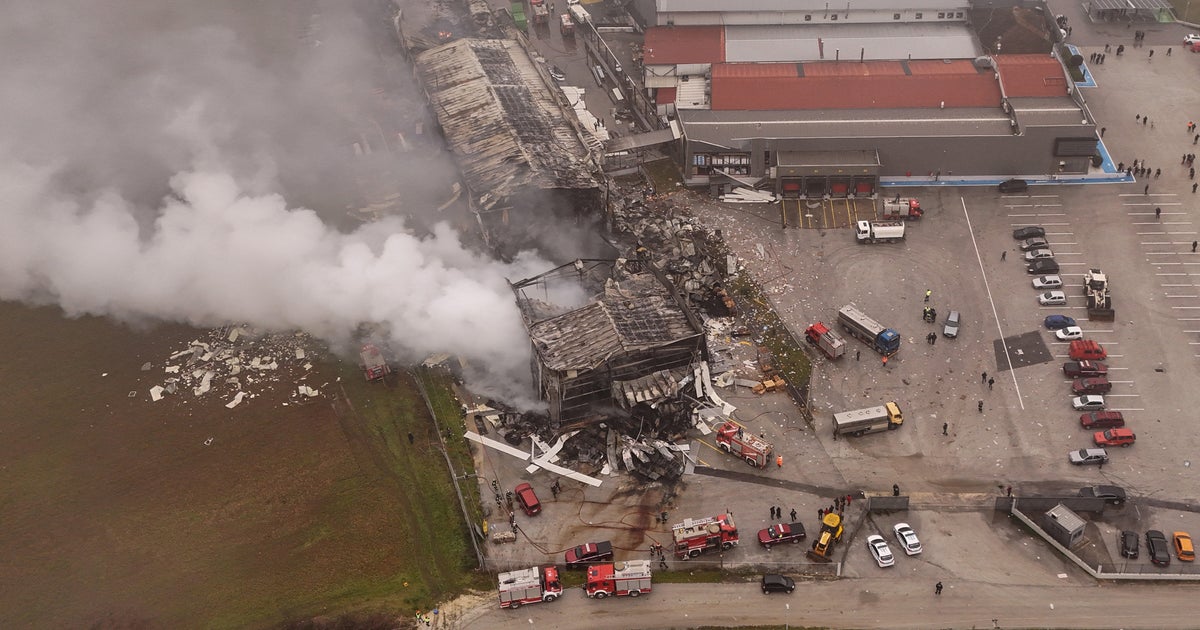
A devastating explosion ripped through a cookie manufacturing facility in central Greece late Sunday night, claiming the lives of five female workers and injuring seven others in what has become one of the country’s worst industrial disasters in decades. The catastrophic incident occurred at the Violanta biscuit plant, located near the city of Trikala, approximately 200 miles north of the capital city of Athens. The blast happened during the overnight production shift, when workers were busy preparing the popular cookies and biscuits that have made Violanta a household name throughout Greece and in export markets around the world. The force of the explosion was so severe that it triggered a massive fire that rapidly engulfed the facility, leaving firefighters struggling for hours to bring the inferno under control while desperately searching for trapped workers inside the burning structure.
Rescue Efforts and Recovery Operations
The aftermath of the explosion presented emergency responders with a nightmarish scene as fire crews worked tirelessly through the night and into the early morning hours to contain the blaze and search for survivors. The intense heat and structural damage made rescue operations extremely challenging and dangerous for the brave firefighters who entered the destroyed building. After battling the flames for several grueling hours, rescue teams made the heartbreaking discovery of four bodies inside the gutted remains of the factory – all identified as female workers who had been on duty during the night shift. The search continued, and tragically, parts of a fifth victim’s body were later recovered from the debris. The condition of these remains was such that fire officials indicated DNA testing would be necessary to make a formal identification, adding another layer of anguish to the already devastating situation for the families anxiously waiting for news about their loved ones.
Among the injured, seven people required hospitalization, including six factory workers and one firefighter who was hurt during the rescue operations. Medical authorities have provided some measure of relief by reporting that none of the injured are in serious condition, though they remain under observation and treatment at a hospital in Trikala. The injured workers are receiving comprehensive medical care as they recover from their ordeal, while investigators have already begun the painstaking work of determining exactly what triggered this catastrophic event.
Official Response and National Mourning
The tragedy sent shockwaves throughout Greece, prompting an immediate response from the highest levels of government. Prime Minister Kyriakos Mitsotakis addressed the nation during a televised Cabinet meeting, his words heavy with sorrow as he acknowledged the devastating loss of life. “Unfortunately, the day began in the shadow of the tragic accident in Trikala, at a modern food production facility,” the Prime Minister stated, his expression reflecting the gravity of the situation. He continued by extending condolences on behalf of the entire government: “Our thoughts today are with the families of the victims. On behalf of the entire Cabinet, I express to them our deepest condolences.” This public acknowledgment from Greece’s leadership underscored the national significance of the tragedy and the government’s commitment to supporting the affected families and ensuring a thorough investigation into the causes of the disaster.
Investigation and Suspected Causes
As the smoke cleared and investigators began examining the devastated facility, attention quickly turned to determining what could have caused such a catastrophic failure at what was considered a modern food production facility with presumably rigorous safety standards. Police investigators have indicated that their preliminary findings suggest the explosion may have originated somewhere near the industrial ovens used in the baking process. These ovens are a critical component of the cookie manufacturing operation and run continuously, operating around the clock to meet production demands. The constant high temperatures and continuous operation of such equipment make them potential sources of industrial accidents if not properly maintained or monitored. However, investigators have emphasized that this remains a working theory, and a comprehensive investigation is underway to determine the exact cause of the explosion and whether any safety protocols were violated or equipment failures occurred.
The Violanta company issued its own statement acknowledging the tragedy while being careful to note that the cause remains under investigation. “Today, a serious incident occurred at our factory premises during the night shift, due to a cause that remains unknown at this time,” the company stated, choosing their words carefully as the investigation continues. Television footage broadcast throughout Greece showed the devastating extent of the damage, with cameras capturing the gutted shell of what was once a thriving production facility, now reduced to charred walls and collapsed structures.
The Company and Its Significance
Violanta represents much more than just another food manufacturing business in Greece – it has become one of the country’s most recognizable brands and a success story in the Greek food industry. The company, which is locally based, has achieved impressive national distribution across Greece, with its products becoming staples in homes throughout the country. The Violanta brand portfolio includes a diverse range of popular items, from wholesome wholewheat cookies to indulgent chocolate-sandwich biscuits and nutritious cereal bars that appeal to health-conscious consumers. The destroyed facility wasn’t just any production plant; it was the company’s first factory and remains its largest and most productive operation. According to information available on the company’s website, this particular plant had an impressive annual production capacity, churning out approximately 12,500 tons of biscuits, cookies, and wafers each year.
The company’s success extends far beyond Greece’s borders, with Violanta products exported to approximately 40 countries around the world, making it an important player in Greece’s export economy. Industry observers have noted that Violanta has been among the fastest-growing brands in Greece in recent years, with a major and expanding presence in retail shops throughout the country. This growth trajectory makes the loss of their primary production facility not just a human tragedy but also a significant blow to the company’s operations and the local economy that depends on the employment and economic activity generated by the plant.
Historical Context and Moving Forward
This devastating incident takes its place among the most serious industrial accidents in Greece’s modern history, serving as a grim reminder of the potential dangers inherent in manufacturing operations. The tragedy recalls another catastrophic industrial disaster from Greece’s past – the 1992 refinery explosion in the industrial zone of Elefsina, located near the port of Piraeus, which claimed 15 lives. That incident, now more than three decades old, had been one of Greece’s deadliest industrial accidents, and sadly, the Violanta factory explosion now joins it in the annals of the country’s industrial disasters. The comparison between these two incidents, separated by decades, raises important questions about industrial safety standards, oversight, and whether enough has been done to prevent such tragedies in modern manufacturing facilities.
As Greece mourns the loss of these five women whose lives were cut short while simply doing their jobs, questions will inevitably arise about what could have been done differently and what lessons must be learned to prevent future tragedies. The families of the victims face the unimaginable grief of losing their loved ones in such sudden and violent circumstances, while the injured workers and the traumatized survivors who escaped must cope with both physical and psychological wounds. The broader community of Trikala, the workers who depended on the factory for their livelihoods, and the entire nation shares in this collective tragedy. As investigators work to piece together exactly what went wrong on that fateful night shift, the hope is that their findings will lead to meaningful improvements in industrial safety that will honor the memory of those lost by helping to ensure that such a tragedy never happens again. The road ahead will be long for everyone affected by this disaster, but the resilience of the Greek people and their commitment to supporting one another in times of tragedy will undoubtedly help the healing process as the community comes together to remember the victims and rebuild what was lost.