


Deadly Israeli Strikes in Gaza Kill Dozens Despite Ceasefire Agreement
Tragic Loss of Life Continues Amid Fragile Peace
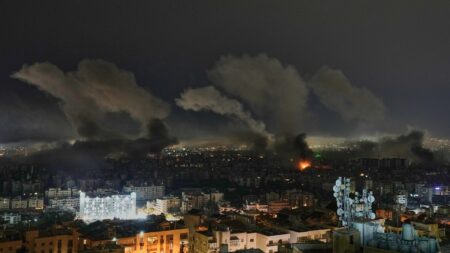
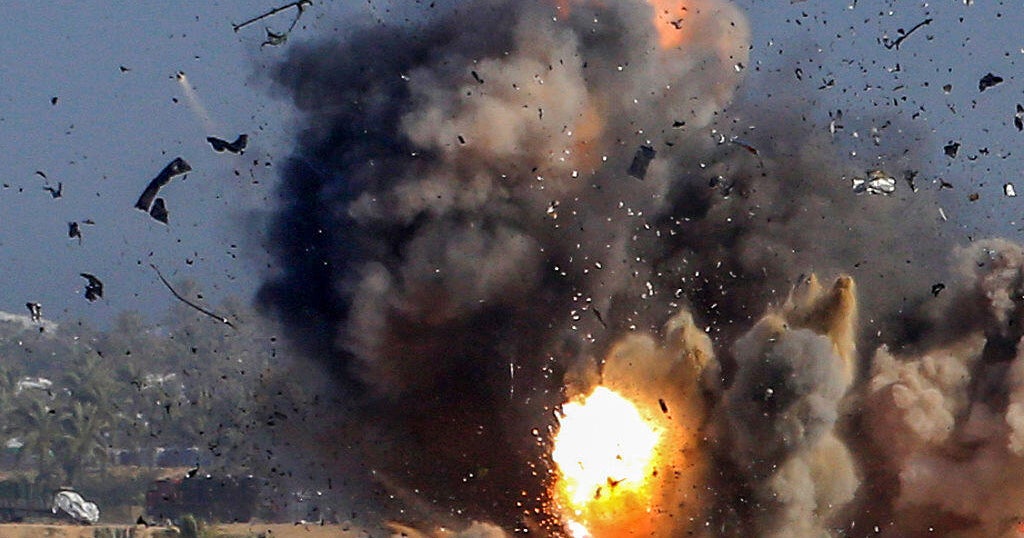
The fragile ceasefire in Gaza was shattered this weekend when Israeli airstrikes killed at least 30 Palestinians, including numerous women and children, according to hospital officials who received the victims. This devastating toll represents one of the deadliest single days since the ceasefire agreement took effect in October, sending shockwaves through communities already traumatized by months of conflict. The strikes targeted multiple locations across the Gaza Strip, turning what should have been a period of cautious hope into another day of grief and mourning. Among the locations hit were an apartment building in Gaza City where families slept, a tent encampment in Khan Younis where displaced Palestinians had sought refuge, and a police station that housed both officers and detained individuals. These attacks have raised serious questions about the durability of the ceasefire and whether genuine peace can ever be achieved in this troubled region.
The Human Cost: Families Destroyed in Moments
The human stories emerging from Saturday’s strikes paint a heartbreaking picture of ordinary people caught in an extraordinary conflict. At the tent camp in Khan Younis, a fire erupted following the airstrike, consuming seven lives in its flames—a father, his three children, and three of his grandchildren, wiping out multiple generations of a single family in moments. Officials at Nasser Hospital confirmed these deaths, adding another tragic chapter to the camp’s history as a place where displaced Palestinians sought safety only to find danger following them. In Gaza City, an apartment building strike claimed five more lives: three children, their aunt, and their grandmother, killed on a Saturday morning that began like any other. The police station bombing proved even deadlier, with Shifa Hospital director Mahamed Abu Selmiya reporting at least 14 fatalities, including police officers, four policewomen, civilians who happened to be nearby, and inmates who were being held at the facility. Another man was killed in the eastern section of Jabaliya refugee camp, adding to the day’s grim tally and reminding everyone that nowhere in Gaza feels truly safe anymore.
Israel’s Justification and Hamas’s Response
The Israel Defense Forces defended the strikes as necessary responses to what they characterized as Hamas violations of the ceasefire agreement. According to Israeli military statements, the escalation began when Israeli forces killed at least four individuals they identified as terrorists emerging from a tunnel in an Israel-controlled section of Rafah. The IDF maintained that these actions were justified under the terms of the ceasefire, asserting their right to respond to any breaches of the agreement. In their official statement, Israeli military officials accused Hamas and other armed groups in Gaza of “systematically violating international law” and “brutally exploiting civilian infrastructure and the Gazan population as human shields for terrorist activities.” They pledged to continue taking action against any violations of the ceasefire, positioning their strikes as defensive rather than aggressive measures. However, Hamas and Palestinian officials saw things very differently, with Hamas condemning Saturday’s strikes as “a renewed flagrant violation” of the ceasefire agreement. The militant group called upon the United States and other countries mediating the peace process to pressure Israel to halt its attacks, arguing that the disproportionate civilian casualties demonstrated Israel’s disregard for Palestinian lives and the spirit of the ceasefire itself.
A Ceasefire in Name Only: Rising Death Toll Since October
Saturday’s strikes serve as a sobering reminder that even during what is technically a ceasefire period, Palestinians in Gaza continue to die at alarming rates. The death toll from this single day was several times higher than the daily average since the ceasefire supposedly began, revealing the fragility of the peace agreement and the ongoing danger faced by Gaza’s civilian population. According to Gaza’s Hamas-run Health Ministry, which maintains detailed casualty records considered generally reliable by United Nations agencies and independent experts, at least 520 Palestinians have been killed by Israeli fire since the ceasefire officially started on October 10th. While critics might question the source of these statistics given Hamas’s control over the Health Ministry, international observers have consistently found their record-keeping to be accurate and comprehensive. Israel’s military has conducted numerous strikes on both sides of the ceasefire’s dividing line, each time claiming they were responding to violations of the agreement. This pattern raises difficult questions about what a ceasefire actually means when dozens of people continue to die regularly, when homes continue to be destroyed, and when families continue to be torn apart by violence that shows no signs of truly ending.
A Glimmer of Hope: Rafah Crossing Set to Reopen
Despite the violence, there was one piece of potentially positive news emerging from the region: the Rafah crossing along the border with Egypt is scheduled to open in Gaza’s southernmost city, marking a significant development for the besieged territory. This border crossing has remained closed throughout virtually the entire war, cutting Gaza off from the outside world and trapping its population in what many have described as an open-air prison. For Palestinians, the reopening of Rafah represents far more than just a border checkpoint—it’s a lifeline that could mean the difference between life and death for tens of thousands of people desperately in need of medical treatment that cannot be provided within Gaza. The territory’s healthcare infrastructure has been decimated during the conflict, with the majority of hospitals and medical facilities either destroyed or rendered non-functional due to lack of supplies, electricity, and staff. The crossing’s opening, though limited at first, marks the first major step forward in the second phase of the U.S.-brokered ceasefire agreement. This phase carries enormous challenges beyond just reopening borders, including the complex and politically sensitive task of demilitarizing the Gaza Strip after nearly two decades of Hamas rule, and establishing a new government structure capable of overseeing the massive reconstruction effort that will be needed to rebuild what the war has destroyed.
The Long Road Ahead: Reconstruction and Uncertain Future
The path forward for Gaza remains unclear and fraught with obstacles that seem almost insurmountable. Beyond the immediate humanitarian crisis—the deaths, injuries, displacement, and destruction—lie even more complex political and practical challenges that will shape the territory’s future for years to come. The second phase of the ceasefire agreement addresses some of the most contentious issues in the Israeli-Palestinian conflict, including questions about security, governance, and who will ultimately control Gaza. The proposal to demilitarize the strip strikes at the heart of Hamas’s identity as an armed resistance movement, while the plan to install a new government raises questions about Palestinian self-determination and whether any imposed leadership will have legitimacy in the eyes of Gaza’s population. Reconstruction will require not just money—though estimates run into the tens of billions of dollars—but also political will, international cooperation, and most importantly, a genuine commitment to peace from all parties involved. As Saturday’s deadly strikes demonstrate, that commitment remains questionable, with each side viewing the other’s actions as provocations that justify retaliation. For the ordinary people of Gaza—the families living in overcrowded shelters, the children who have known nothing but war, the parents trying desperately to protect their loved ones—these political complexities matter less than the simple desire to live without fear of the next airstrike, the next explosion, the next knock on the door bringing news of another death. Whether this ceasefire will evolve into genuine peace or simply serve as a temporary pause before the next round of violence remains to be seen, but for now, hope and despair continue to coexist in the ruins of Gaza.