


The Fragile Ceasefire: Continued Violence Claims Palestinian Lives in Gaza
A Morning of Tragedy
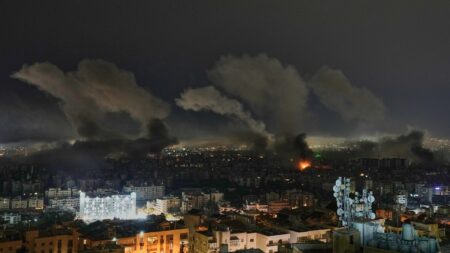
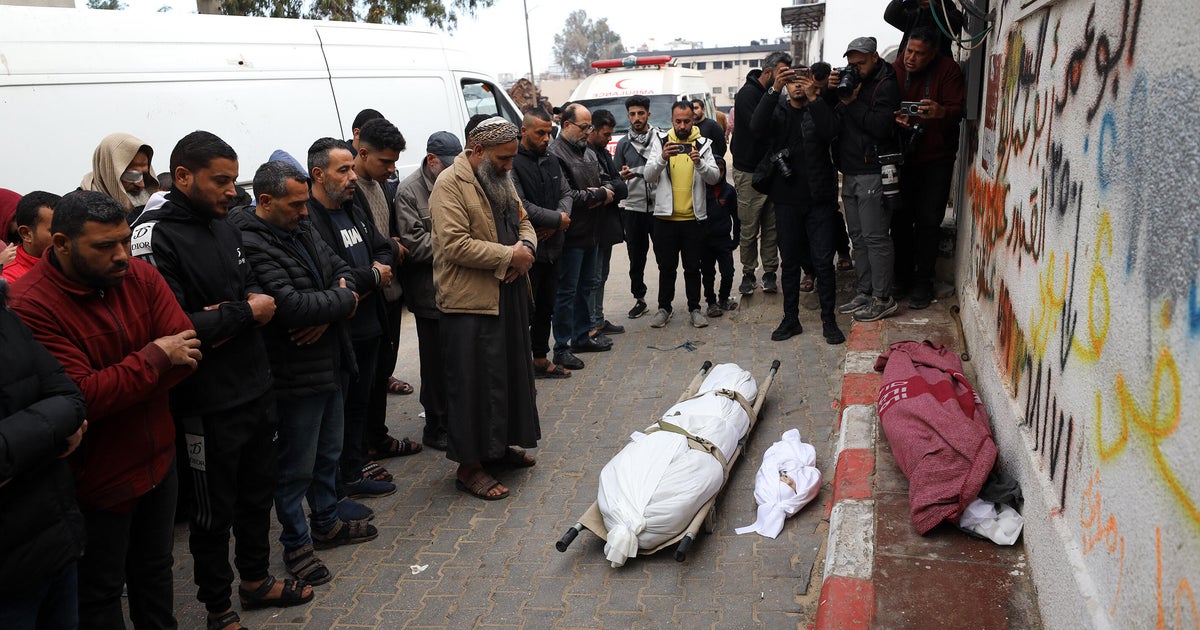
The early hours of Wednesday brought devastating news from Gaza as Israeli military strikes claimed the lives of at least 19 Palestinians, painting a grim picture of what was supposed to be a period of peace. Among those killed were innocent children—including a 5-month-old baby and a newborn just 10 days old—seven women, and a paramedic who was simply doing his job. These deaths represent just the latest casualties in what many Palestinians say feels like a ceasefire in name only. The strikes, which Israel defended as necessary responses to militant attacks, have reignited questions about the sustainability of the U.S.-brokered peace agreement that officially took effect on October 10, 2025. Hospital officials in Gaza, overwhelmed with receiving bodies and treating the wounded, have become unwilling chroniclers of a peace process that seems to be unraveling with each passing day. The death of healthcare workers, represented by the killing of paramedic Hussein Hassan Hussein al-Semieri, underscores the indiscriminate nature of the violence affecting even those dedicated to saving lives.
The Numbers Tell a Story of Persistent Conflict
Since the ceasefire was supposed to have brought an end to hostilities, at least 556 Palestinians have been killed by Israeli fire, according to Gaza’s Hamas-run health ministry. This staggering figure raises fundamental questions about what a ceasefire actually means when the death toll continues to climb daily. The health ministry reported that Wednesday’s death toll alone reached 21 people, a number that represents not just statistics but families torn apart, children who will never grow up, and communities left to mourn. The Israel Defense Forces have defended their actions by accusing Hamas militants of “blatant violations” of the ceasefire agreement, pointing to attacks on their forces in northern Gaza that seriously wounded soldiers. The military stated that upon identifying hostile fire, their armored units and aircraft conducted strikes in the area—a pattern of retaliation that has become disturbingly routine since the ceasefire began. This cycle of attack and counterattack, with civilians often caught in the crossfire, has created a reality where the distinction between war and peace has become almost meaningless for ordinary Gazans.
Voices from the Ground: Where is the Peace?
Dr. Mohamed Abu Selmiya, director of Gaza City’s Shifa Hospital, gave voice to the frustration and anguish felt by many Palestinians when he posted on Facebook: “The genocidal war against our people in the Gaza Strip continues. Where is the ceasefire? Where are the mediators?” His words reflect the lived experience of Gaza’s residents, who continue to face the same dangers they endured during open warfare. The hospital director’s question about the whereabouts of mediators points to a deeper crisis of international accountability and the apparent inability or unwillingness of outside parties to enforce the terms of the agreement they helped broker. An Israeli military official, speaking to The Associated Press under conditions of anonymity, made clear that strikes would continue, defending them as responses to Hamas violations or attacks on Israeli soldiers. According to Israeli sources, four soldiers have been killed since the ceasefire took effect—deaths that Israel treats as justification for continued military action. Meanwhile, mediators have condemned the ongoing violence, and Hamas has characterized Israeli strikes as violations of the deal, creating a situation where each side blames the other while civilians continue to die.
The Human Cost in Detail
The Wednesday morning strike in the Tuffah neighborhood of north Gaza exemplifies the human tragedy unfolding behind the statistics. Israeli troops fired on a building, killing at least 11 people, most from the same family, according to Shifa Hospital. Among the dead were two parents and their 10-day-old daughter, her 5-month-old cousin, and their grandmother—three generations of a single family wiped out in moments. Israel’s military explained that their aircraft and armored units returned fire after militants began shooting at troops, badly wounding a reservist soldier who was evacuated to a hospital. But the calculus of proportionality—the death of entire families in response to attacks on soldiers—continues to fuel international concern and Palestinian grief. The violence didn’t end with the Tuffah strike. In the southern city of Khan Younis, an Israeli strike on a family’s tent killed three people, including a 12-year-old boy, whose body was received by Nasser hospital. Tank shelling in Gaza City’s eastern Zaytoun neighborhood killed another three Palestinians, including a married couple. Yet another strike on a tent in the Muwasi area of Khan Younis killed at least two and wounded five others, including the on-duty paramedic al-Semieri, whose death represents the particular vulnerability of humanitarian workers in conflict zones.
The Broader Context of an Ongoing Catastrophe
The deaths on Wednesday are drops in an ocean of suffering that has engulfed Gaza since the current conflict began. More than 71,800 Palestinians have been killed since the start of the war, according to the Gaza health ministry, though this figure doesn’t distinguish between fighters and civilians. The ministry, while part of the Hamas-led government, maintains detailed casualty records that are considered generally reliable by U.N. agencies and independent experts, who actually believe the true death toll is substantially higher because many bodies remain buried under rubble, uncounted and unrecovered. Israel disputes these figures but has notably failed to provide its own casualty counts for Palestinian civilians since launching the war in response to Hamas’s October 7, 2023 terrorist attack. That attack killed approximately 1,200 Israelis and resulted in 251 hostages being taken—a horrific event that triggered the current cycle of violence. The absence of Israeli civilian casualty data for Palestinians creates an information vacuum that makes it difficult to assess the full scope of the humanitarian disaster, though the available evidence from hospitals, international organizations, and journalists on the ground paints a picture of unprecedented civilian suffering.
A Peace That Feels Like War
For the people of Gaza, the distinction between official war and official peace has become almost academic. The U.S.-brokered peace plan that was supposed to bring relief has instead delivered what many describe as continued warfare under a different name. The ceasefire agreement, punctuated by deadly strikes that occur with disturbing regularity, has failed to provide the most basic element of peace: safety for civilians. Families continue to live in tents, vulnerable to strikes. Children continue to die. Healthcare workers trying to save lives are themselves killed. The infrastructure of daily life—already devastated by months of intense warfare—continues to deteriorate. The international community, which invested diplomatic capital in brokering the ceasefire, now faces a test of its commitment to enforcing the terms and protecting civilian lives. The cycle of attack and retaliation, with each side claiming the other violated the agreement first, suggests a fundamental breakdown in the peace process that requires urgent intervention. Without meaningful enforcement mechanisms and genuine commitment from all parties to prioritize civilian protection over military objectives, the ceasefire risks becoming simply another chapter in Gaza’s long history of suffering rather than the end of it. The questions posed by Dr. Abu Selmiya—”Where is the ceasefire? Where are the mediators?”—remain unanswered as bodies continue to arrive at overwhelmed hospitals and families continue to bury their dead.