


Mexico to Send Humanitarian Aid to Cuba Amid U.S. Pressure Over Oil Shipments
A Delicate Balance Between Compassion and Diplomacy
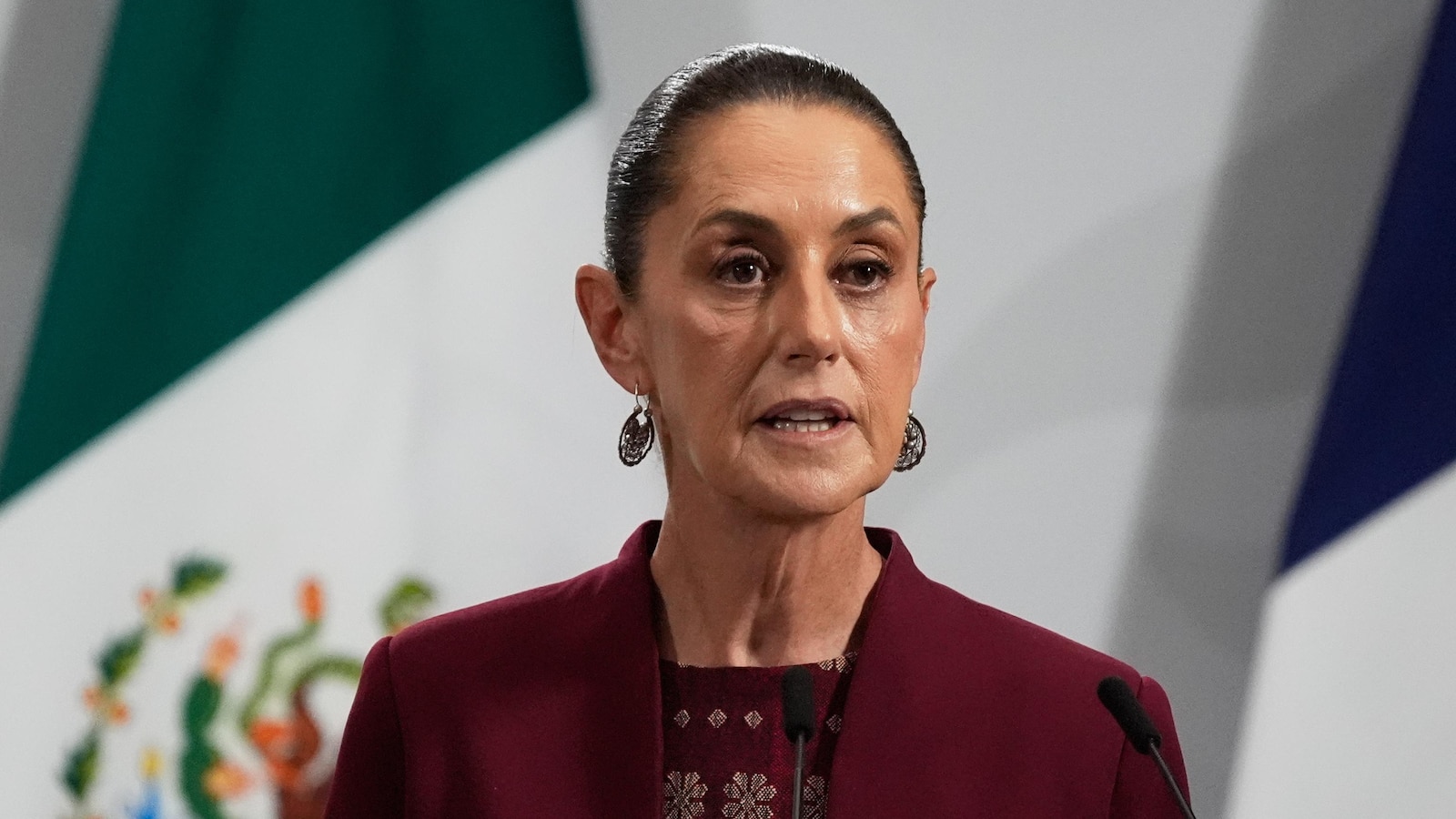
In a move that highlights the complex geopolitical relationships in the Americas, Mexico’s President Claudia Sheinbaum announced on Sunday her intention to send humanitarian assistance to Cuba within the coming week. Speaking at a public event in the northern Mexican state of Sonora, President Sheinbaum outlined plans to deliver food and other essential humanitarian supplies to the Caribbean island nation, which has been facing increasingly difficult economic circumstances. This announcement comes at a particularly sensitive moment, as it follows U.S. President Donald Trump’s public statement that he had specifically requested Mexico halt its oil shipments to Cuba. The situation presents a delicate diplomatic challenge for President Sheinbaum, who must navigate between maintaining Mexico’s historical relationship with Cuba, addressing genuine humanitarian concerns, and managing her country’s crucial relationship with its powerful northern neighbor, the United States.
Conflicting Accounts of Diplomatic Conversations
The diplomatic narrative surrounding Mexico-Cuba relations has become somewhat complicated by differing accounts of recent communications between U.S. and Mexican leadership. President Trump told reporters that he explicitly instructed the Mexican president to cease oil shipments to Cuba during their discussions. However, President Sheinbaum offered a notably different characterization of her Thursday phone conversation with President Trump, stating clearly that Cuban affairs were not part of their discussion agenda. This discrepancy in public statements reflects the sensitive nature of the topic and the different political pressures facing each leader. For President Sheinbaum, the challenge lies in maintaining Mexico’s traditional stance of non-intervention in other nations’ affairs while also preserving productive working relationships with both the United States and Cuba. She emphasized that her government is committed to finding diplomatic solutions to all matters related to oil shipments to Cuba, specifically framing these efforts within a humanitarian context rather than a purely political or economic one.
Mexico Steps Into a Critical Supply Gap
The context for this diplomatic tension becomes clearer when examining the recent dramatic shifts in Cuba’s oil supply chain. Following a U.S. military operation conducted in early January that resulted in the removal of Venezuelan President Nicolás Maduro from power, Venezuela—which had traditionally been one of Cuba’s primary oil suppliers—suspended its petroleum shipments to the island nation. These shipments had already been declining in recent years due to Venezuela’s own economic challenges and deteriorating oil production infrastructure, but their complete cessation left Cuba in a precarious position. Into this void stepped Mexico, which became the primary supplier of both crude oil and refined petroleum products to Havana. This wasn’t entirely new territory for Mexico, as Mexican oil has historically served as an important lifeline for Cuba, particularly during periods when the island faced supply disruptions from other sources. However, Mexico’s emergence as the main supplier has taken on new significance given Cuba’s current isolation and economic difficulties.
The Numbers Behind the Oil Shipments
The actual volume of oil flowing from Mexico to Cuba tells an important story about both the relationship between these nations and the recent pressure Mexico has faced regarding these shipments. According to Pemex, Mexico’s state-owned petroleum company, oil shipments to Cuba averaged nearly 20,000 barrels per day during the period from January through September 30, 2025. While this might seem like a substantial amount, it’s relatively modest in terms of international oil trade—yet for Cuba, dealing with severe shortages, these barrels represent a critical supply. Interestingly, these shipment levels appear to have declined significantly following diplomatic engagement from the United States. In September, U.S. Secretary of State Marco Rubio made a visit to Mexico City, presumably to discuss various bilateral issues including the Cuba question. Following this visit, Jorge Piñon, an expert at the University of Texas Energy Institute who employs satellite technology to monitor oil shipments, reported that the flow of Mexican oil to Cuba had dropped to approximately 7,000 barrels per day—a reduction of about 65% from the earlier reported average. This sharp decline suggests that U.S. diplomatic pressure may have already been having an effect even before President Trump’s recent public statements on the matter.
Humanitarian Concerns Take Center Stage
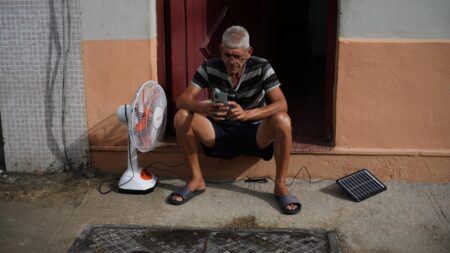
President Sheinbaum’s framing of the situation as fundamentally humanitarian in nature represents an attempt to navigate the political complexities while maintaining Mexico’s traditional values of international solidarity and non-intervention. By announcing plans to send food and other humanitarian aid to Cuba, she is emphasizing the human dimension of the crisis rather than the political or ideological aspects that have historically defined Cuba’s relationships with other nations in the hemisphere. This humanitarian approach allows Mexico to demonstrate concern for the Cuban people’s wellbeing—who are facing serious shortages of basic necessities including food, medicine, and fuel—without necessarily making a broader political statement about the Cuban government or U.S. policy toward the island. It’s worth noting that humanitarian considerations aren’t merely political rhetoric in this case; Cuba has indeed been experiencing severe economic hardship, with widespread shortages affecting ordinary citizens’ daily lives. By focusing on humanitarian aid rather than exclusively on oil shipments, President Sheinbaum may be seeking a middle path that addresses real human needs while being responsive to U.S. concerns about supporting the Cuban government.
Looking Ahead: Mexico’s Foreign Policy Challenges
The situation surrounding Mexico’s relationship with Cuba and the United States’ concerns about that relationship illustrates the broader challenges facing President Sheinbaum as she shapes Mexico’s foreign policy approach. Mexico has long maintained a foreign policy tradition based on principles of non-intervention, self-determination of peoples, and solidarity with other Latin American nations—principles that have sometimes put it at odds with U.S. policy preferences in the region. At the same time, Mexico’s economic and security interests are deeply intertwined with the United States through trade relationships, border management, and countless other practical considerations. Finding the right balance between these competing pressures will likely be an ongoing challenge throughout Sheinbaum’s presidency. The Cuba question is just one example of how these tensions manifest, but it’s a particularly visible one given the strong feelings the island nation evokes in U.S. domestic politics, especially among influential Cuban-American communities in Florida. How President Sheinbaum manages this situation—delivering on her commitment to send humanitarian aid while addressing U.S. concerns and potentially further reducing oil shipments—will offer insights into her broader approach to foreign policy and her administration’s diplomatic priorities in the months and years ahead.