


Pakistan Reports Major Counterterrorism Operation Following Deadly Coordinated Attacks in Balochistan
Deadly Weekend Violence Sparks Massive Security Response
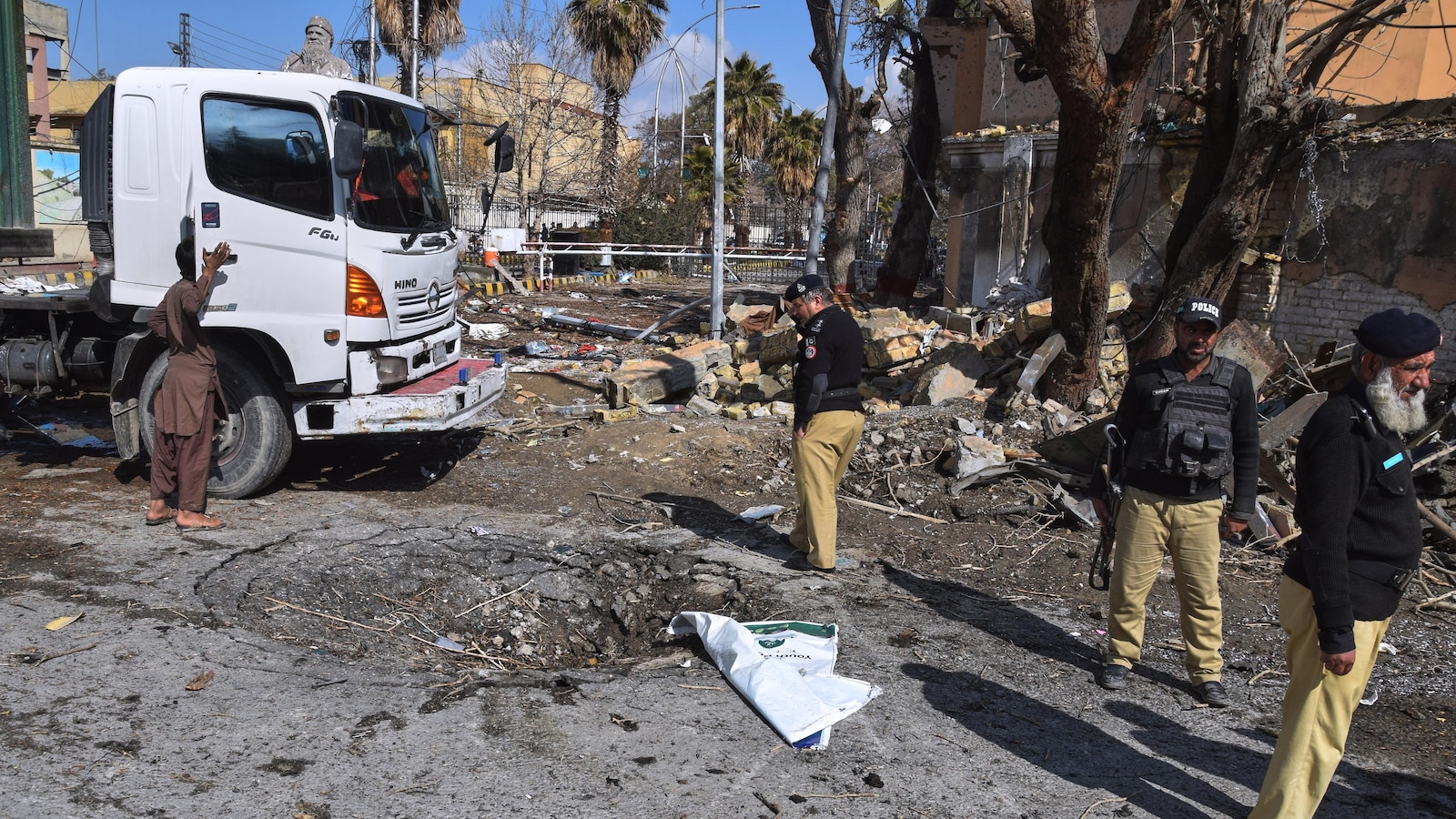
The southwestern Pakistani province of Balochistan experienced one of its bloodiest weekends in recent memory, as coordinated terrorist attacks on Saturday left 33 people dead, predominantly civilians, prompting a massive counterterrorism operation that authorities claim resulted in over 100 militant deaths. The violence unfolded across multiple locations throughout this strategically important but chronically unstable region, where Pakistan has been attempting to attract international investment despite ongoing security challenges. According to government officials, the initial attacks began early Saturday morning and targeted various civilian and security installations across Balochistan, creating widespread panic among residents and triggering an immediate response from Pakistani military and police forces. The 40-hour operation that followed represents one of the most intensive counterterrorism campaigns the province has witnessed in decades, highlighting the persistent security threats that continue to plague this resource-rich area despite government efforts to establish stability and attract foreign capital for development projects.
Government Officials Detail Operation Against “Indian-Backed Terrorists”
Sarfraz Bugti, Balochistan’s provincial chief minister, held a press conference in the provincial capital of Quetta on Sunday to provide details about the security forces’ response to the attacks. Speaking alongside senior government official Hamza Shafqat, who frequently oversees counterterrorism operations in the province, Bugti announced that security forces had killed 145 members of what the government refers to as “Fitna al-Hindustan”—a term Pakistani authorities use to describe the outlawed Baloch Liberation Army (BLA), which they allege receives backing from India. Bugti emphasized that this represented the highest number of militants killed in a single operation in decades, signaling the scale and intensity of both the original attacks and the government’s response. The chief minister stated that authorities currently held the bodies of all 145 killed militants in custody and revealed that some of those killed were Afghan nationals, a claim that fits within the broader narrative Pakistani officials have been promoting about cross-border terrorism originating from Afghanistan. Bugti praised the coordinated efforts of military, police, and paramilitary forces for their swift response in repelling the assaults and preventing what he described as a plot to take hostages in Quetta’s city center.
Attacks Target Civilians and Security Forces Across Strategic Province
The Saturday attacks that triggered this massive security operation resulted in devastating civilian casualties, with authorities confirming that 18 civilians—including five women and three children—lost their lives alongside 15 security personnel. Local residents described scenes of terror and confusion as violence erupted across their communities. Khan Muhammad, a Quetta resident, captured the atmosphere of fear that gripped the city, stating it was “a very scary day in the history of Quetta,” with armed militants openly roaming the streets before security forces could respond and establish control. One of the most horrific incidents occurred in the port city of Gwadar, where militants stormed the home of a Baloch laborer and killed five women and three children—an attack that even Chief Minister Bugti specifically condemned during his press conference. The coordinated nature of the attacks, which included both suicide bombings and armed assaults, demonstrated a level of planning and organization that raised serious concerns among security officials. According to Bugti, the attackers had intended to seize hostages after storming government offices in Quetta’s high-security zone, but authorities claim they had intelligence about these plans and prepared their forces accordingly, preventing the hostage-taking scenario from unfolding.
Regional Tensions and Accusations of Cross-Border Support
The attacks have further inflamed already tense relations between Pakistan and its neighbors, with Pakistani officials making serious accusations against both India and Afghanistan regarding their alleged support for militant groups operating in Balochistan. Chief Minister Bugti repeatedly accused both countries of backing the BLA militants responsible for the weekend’s violence, claiming that senior BLA leadership operates from Afghan territory with impunity. Both the Taliban government in Kabul and Indian authorities in New Delhi have consistently denied these allegations, but Pakistani officials continue to assert that cross-border support enables these terrorist networks to function. Bugti specifically referenced the 2020 Doha agreement, under which Afghanistan’s Taliban rulers pledged not to allow Afghan soil to be used as a launching pad for attacks against other nations, expressing disappointment that “unfortunately, the Afghan soil was still being used against Pakistan.” These tensions have been escalating since early October, when Pakistan conducted airstrikes targeting what it described as Pakistani Taliban hideouts inside Afghanistan, operations that reportedly killed dozens of alleged insurgents and further strained the already fragile relationship between Islamabad and Kabul.
Balochistan’s Strategic Importance and Investment Challenges
The timing and location of these attacks carry particular significance given Pakistan’s ongoing efforts to attract foreign investment to Balochistan, a province rich in natural resources including minerals and strategic port facilities. Despite its wealth of resources, Balochistan remains one of Pakistan’s least developed regions, creating grievances that separatist groups have exploited in their insurgency against the central government. In September 2025, Pakistan achieved a significant milestone when a U.S. metals company signed a $500 million investment agreement focusing on the province’s mining sector—a deal that came just one month after the U.S. State Department officially designated the BLA and its armed wing as a foreign terrorist organization. This designation represented international recognition of the security threats in the region, but the weekend’s violence demonstrates that such designations alone have not deterred militant activities. The attacks pose a serious challenge to Pakistan’s strategy of promoting economic development as a path to stability in Balochistan, as foreign investors naturally hesitate to commit resources to regions experiencing such violence. Chinese interests have been particular targets of BLA attacks in recent years, as thousands of Chinese nationals work on infrastructure projects throughout the province as part of the China-Pakistan Economic Corridor.
Long-Running Insurgency and Complex Militant Landscape
The weekend violence represents the latest chapter in Balochistan’s long-running separatist insurgency, where ethnic Baloch groups have fought for decades seeking greater autonomy or complete independence from Pakistan’s central government. The BLA, banned in Pakistan, has emerged as one of the most active militant organizations in this conflict, regularly targeting Pakistani security forces and increasingly attacking civilians, including foreign nationals working on development projects. Pakistani authorities claim the BLA operates with support from the Pakistani Taliban, known as Tehrik-e-Taliban Pakistan (TTP), creating a complex network of militant groups with overlapping but sometimes distinct objectives. The TTP, which is separate from but allied with Afghanistan’s Taliban rulers who returned to power in August 2021, has its own grievances against the Pakistani state and has conducted numerous attacks throughout the country. This web of militant organizations, some motivated by ethnic nationalism, others by religious ideology, and still others by a combination of factors, creates an extremely challenging security environment for Pakistani authorities. As the government celebrates what it portrays as a major victory against terrorism with the reported killing of 145 militants, the underlying issues driving insurgency in Balochistan—political marginalization, economic underdevelopment, and disputes over resource exploitation—remain largely unaddressed, suggesting that the cycle of violence may continue despite tactical successes in individual operations.