
Trump’s New Tariff Strategy: Targeting Countries That Supply Oil to Cuba
A National Security Emergency Declaration
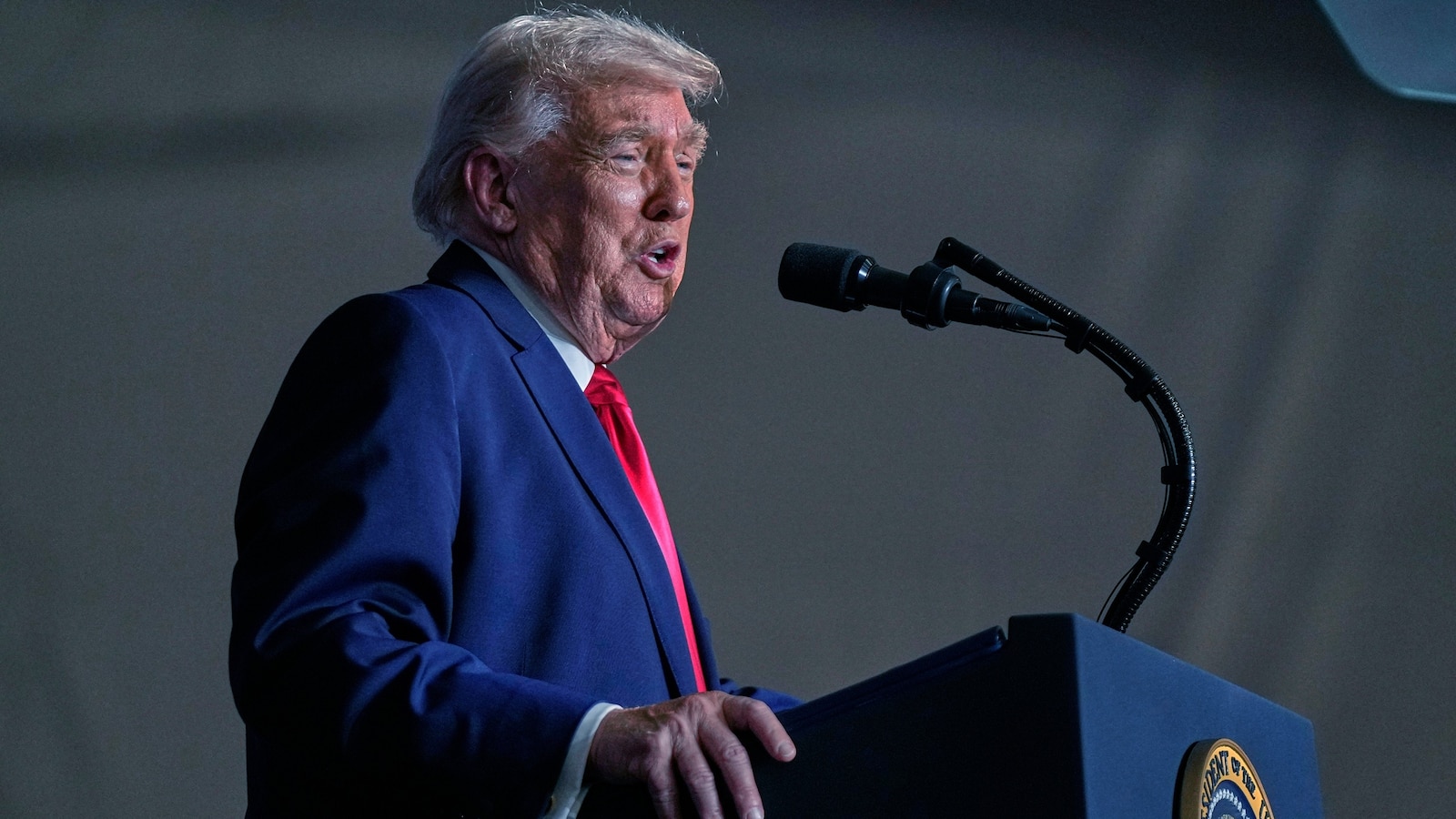
President Donald Trump has taken a bold new step in his administration’s approach to Cuba by signing an executive order that declares the island nation a threat to U.S. national security and foreign policy. This Thursday announcement marks a significant escalation in the longstanding tensions between Washington and Havana, introducing a novel approach that extends beyond traditional bilateral sanctions. The order characterizes the “policies, practices, and actions of the Government of Cuba” as representing “an unusual and extraordinary threat” to American interests. What makes this executive order particularly noteworthy is its indirect approach—rather than imposing new sanctions directly on Cuba itself, Trump has chosen to target third-party countries that maintain oil trade relationships with the island. This strategy essentially attempts to economically isolate Cuba by threatening retaliatory measures against any nation that “directly or indirectly sells or otherwise provides any oil to Cuba.” The announcement came during Trump’s appearance in Iowa and was further discussed at the Kennedy Center premiere of the “MELANIA” documentary, where the President elaborated on his Cuba policy to reporters. The timing of this order is significant, coming as the Supreme Court weighs in on the legality of the administration’s use of emergency powers to impose tariffs, potentially setting important precedents for executive authority in trade matters.
How the Tariff Mechanism Will Work
Unlike previous tariff announcements that have specified exact percentages or dollar amounts, this executive order establishes a more complex, multi-agency review process before any penalties are actually imposed. The order deliberately avoids spelling out specific new tariff rates, instead creating a framework for evaluation and action. When a country is identified as selling oil to Cuba, a comprehensive review will be triggered involving the secretaries of Commerce, State, Treasury, and Homeland Security, along with the U.S. trade representative. This interagency team will assess whether additional tariffs should be levied on goods imported from those countries into the United States. Following their recommendation, President Trump will make the final determination on what tariffs, if any, will be imposed. This graduated approach gives the administration flexibility to calibrate its response based on the nature and extent of each country’s oil relationship with Cuba, potentially allowing for diplomatic negotiations before punitive measures take effect. It also provides Trump with maximum leverage, as countries won’t know exactly what economic consequences they face until after the review process concludes. This uncertainty itself may serve as a deterrent, encouraging nations to reconsider their oil trade with Cuba before facing potential tariffs on their exports to the lucrative U.S. market.
The Administration’s Justification and Cuba’s Alleged Threats
The executive order doesn’t simply cite economic concerns or regional politics as its rationale—it paints Cuba as part of a broader constellation of threats to American security. According to the order, “the government of Cuba has taken extraordinary actions that harm and threaten the United States,” specifically pointing to what it describes as alliances with Russia, China, Iran, Hamas, and Hezbollah. This framing elevates the Cuba issue beyond a regional Caribbean concern to part of the administration’s broader confrontation with what it views as hostile global powers and terrorist organizations. By linking Cuba to these entities, the administration attempts to justify the use of emergency national security powers to impose economic measures that might otherwise face legal challenges or congressional resistance. Commerce Secretary Howard Lutnick defended the approach at the Kennedy Center event, explaining that “the President wants to make sure his foreign policy is being defended by all of our allies and all of our friends.” Lutnick suggested that the order clearly communicates expectations to U.S. allies about aligning with American foreign policy objectives. He predicted that, like other Trump tariff initiatives, this one would ultimately produce “reasonable and sensible” results, implying that the threat alone might be sufficient to change behavior without actually implementing harsh penalties. This justification essentially argues that countries choosing to trade oil with Cuba are undermining U.S. foreign policy and should face consequences for that decision.
Trump’s Perspective on Cuba’s Economic Situation
President Trump’s comments at the Kennedy Center revealed his view of Cuba’s current economic fragility and his intentions regarding the island’s future. When asked by ABC News’ Selina Wang whether he was trying to choke off Cuba’s economy, Trump offered a somewhat contradictory response that combined expressions of sympathy with assertions of inevitable collapse. “Cuba is a failing nation, and you have to feel badly for Cuba,” he said, before adding that “they’ve treated people very badly.” He specifically referenced Cuban Americans who were “treated very badly” and suggested they would “probably like to go back,” implying a post-regime-change scenario. Trump concluded with a stark prediction: “I think Cuba will not be able to survive.” This statement reflects the administration’s apparent strategy of applying maximum economic pressure in hopes of forcing regime change or collapse. In earlier statements from January, Trump had been even more explicit about Cuba’s economic vulnerabilities, particularly following the U.S. capture of ousted Venezuelan leader Nicolas Maduro. “Cuba looks like it’s ready to fall,” he said on January 4th. “They got all of their income from Venezuela, from the Venezuelan oil. They’re not getting any of it. And Cuba literally is ready to fall.” These comments suggest that Trump sees Venezuela’s crisis and the disruption of Venezuelan oil supplies to Cuba as creating a unique opportunity to finally topple the Cuban government through economic pressure, completing an objective that has eluded U.S. policymakers for over six decades.
The Mexico Connection and Diplomatic Implications
The timing of Trump’s Cuba tariff announcement is closely connected to ongoing discussions with Mexico, one of the countries that has maintained oil trade relationships with Cuba. Mexican President Claudia Sheinbaum recently clarified that her country continues to send oil to Cuba, putting Mexico potentially in the crosshairs of these new tariff threats. Interestingly, Trump and Sheinbaum spoke by phone on the same day as the tariff announcement, though Trump characterized it as a “very productive telephone conversation” focused on “the Border, stopping Drug Trafficking, and Trade.” The fact that Cuba wasn’t explicitly mentioned in Trump’s description of the call suggests that the tariff threat might be serving as leverage in broader negotiations with Mexico on these other issues. This approach reflects Trump’s transactional diplomacy style, where multiple issues are bundled together in complex negotiations where concessions in one area might offset concerns in another. For Mexico, the calculus is complicated—continuing oil shipments to Cuba might appeal to the country’s traditional foreign policy independence and solidarity with Latin American nations, but it could also trigger tariffs on Mexican goods entering the huge U.S. market. Beyond Mexico, other countries that have supplied oil to Cuba, including Venezuela (despite its current crisis), Russia, and potentially others, will need to evaluate whether their Cuba relationships are worth potential U.S. economic retaliation. The policy essentially forces countries to choose between Cuba and access to the American market, a choice that for most represents an obvious economic decision but one that carries diplomatic and sovereignty implications.
Legal Questions and Broader Implications
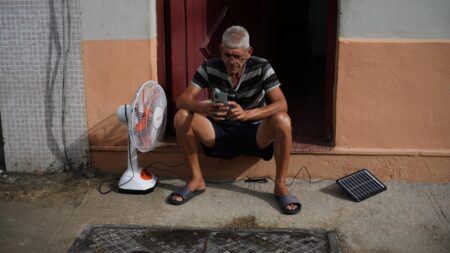
The rollout of this Cuba-focused tariff policy comes at a particularly sensitive moment, as the Supreme Court considers the legality of the administration’s use of emergency powers to impose tariffs more broadly. The Court’s eventual decision could either validate Trump’s expansive interpretation of presidential authority on trade and national security matters or significantly constrain it, potentially affecting not just the Cuba policy but the administration’s entire tariff strategy. Legal experts have debated whether declaring Cuba a national security emergency provides sufficient justification for what are essentially economic sanctions on third-party countries. The administration’s linking of Cuba to Russia, China, Iran, and terrorist organizations appears designed to strengthen the national security argument, but critics might argue this represents an overreach of emergency powers for what are fundamentally foreign policy disagreements. The broader implications of this approach extend beyond Cuba policy. If successful, this model of threatening tariffs on countries that trade with nations the U.S. opposes could be replicated with other targets, essentially weaponizing America’s market access as a tool of foreign policy enforcement. This represents a significant evolution in how the United States exercises global influence—moving from direct sanctions and bilateral pressure to a more complex web of secondary consequences for countries that don’t align with U.S. policy preferences. For Cuban Americans, particularly in Florida, this aggressive stance represents a fulfillment of campaign promises and a rejection of the Obama-era normalization approach. For ordinary Cubans on the island, already facing severe shortages and economic hardship, the policy threatens to worsen conditions by further restricting the oil supplies essential for transportation, electricity generation, and basic economic function. Whether this pressure leads to the regime change Trump appears to anticipate or simply deepens humanitarian suffering remains an open and contentious question.