


Ukraine, Russia, and the U.S. Resume Peace Talks in Abu Dhabi
A Second Chance at Diplomacy Amid Ongoing Conflict
After nearly four years of devastating conflict, Ukraine and Russia have returned to the negotiating table in Abu Dhabi for their second round of trilateral peace talks with the United States. Ukraine’s chief negotiator, Rustem Umerov, confirmed on Wednesday that discussions had commenced in the Emirati capital, marking a continuation of the diplomatic efforts that first began in late January. According to U.S. officials present at the talks, Wednesday’s conversations proved “productive” and were scheduled to continue the following morning. This renewed diplomatic push represents a significant moment in the ongoing war, as it remains one of the few instances where all three parties have sat down together since Russia launched its full-scale invasion of Ukraine. The first round of talks in January had been characterized by American officials as “the most constructive of the war,” raising hopes that meaningful progress toward peace might finally be within reach. That initial meeting appeared to yield at least one tangible result: a brief four-day “energy truce” where both nations agreed to halt attacks on each other’s critical energy infrastructure. However, the fragile optimism generated by those early discussions would prove short-lived, as Russia’s actions in the days leading up to this second round cast serious doubt on Moscow’s genuine commitment to peace.
Russia Shatters the Truce with Devastating Attacks
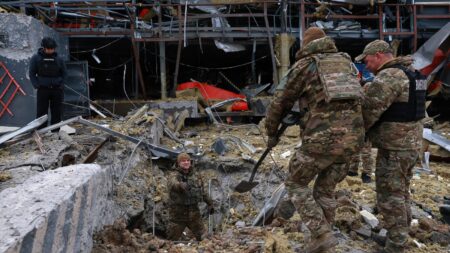
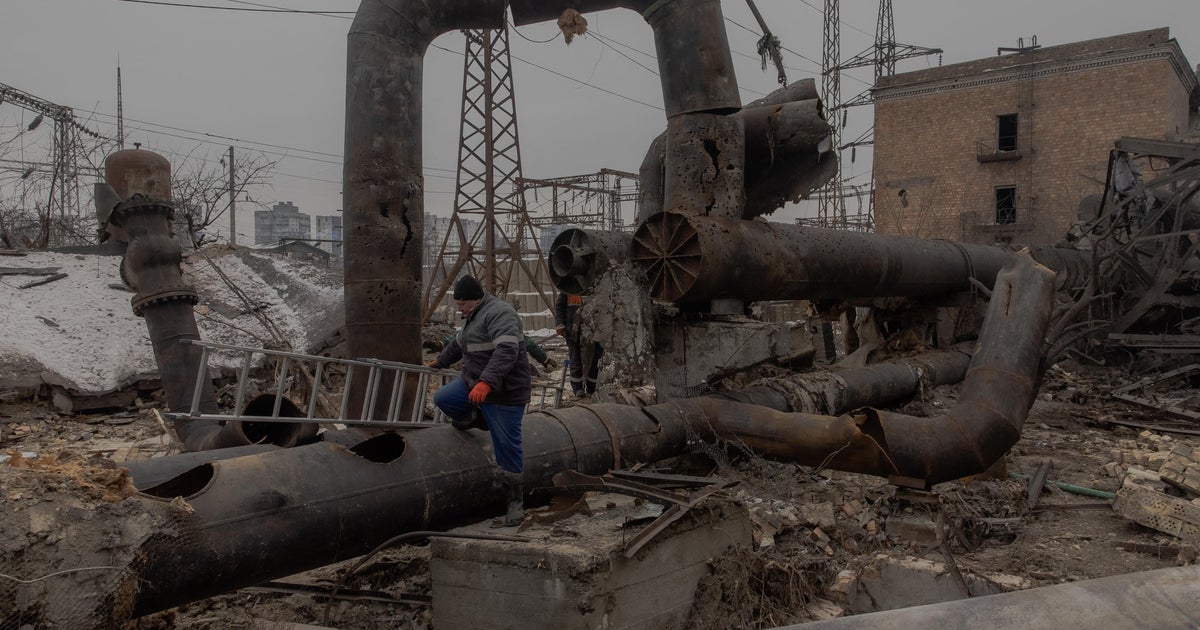
The momentum from January’s talks evaporated dramatically in the nights before the second round of negotiations began. Between Monday night and Tuesday morning, Russia unleashed one of its most ferocious attacks on Ukraine since the war started, launching an overwhelming assault consisting of 450 drones and more than 60 missiles targeting Ukrainian cities and infrastructure. Ukraine’s Foreign Minister Andrii Sybiha reported that the strikes left approximately 1,170 apartment buildings in Kyiv without heating during the brutal winter months. Representatives from DTEK, Ukraine’s largest private energy company, described the bombardment as “one of the worst attacks” on the country’s energy infrastructure throughout the entire war. The timing of these strikes, coming just as diplomats prepared to discuss peace, sent a clear and troubling message about Russia’s approach to negotiations. President Volodymyr Zelenskyy didn’t mince words in his assessment, stating that the attacks provided clear evidence that Russia’s leaders “do not take diplomacy seriously.” Yuriy Sak, an adviser to Ukraine’s Ministry of Strategic Industries, echoed this sentiment when speaking to reporters, highlighting the stark contradiction in Russia’s behavior: “On the one side, they continue to say they are interested in peace. On the other side, they destroy our infrastructure, bomb our people, and people are left without heat during these freezing months.”
Different Perspectives on Legitimate Targets
The two sides remain fundamentally divided on what constitutes acceptable military action, even as they sit down to discuss peace. Kremlin spokesman Dmitry Peskov, speaking before the Abu Dhabi negotiations began, defended Russia’s devastating strikes by claiming that Russian forces were “striking targets they believe are associated with the Kyiv regime’s military complex, and the operation continues.” This justification, however, rang hollow to international observers and Ukrainian officials alike. NATO Secretary General Mark Rutte visited Kyiv shortly after the attacks and personally toured the damage inflicted on the city’s infrastructure. In a pointed social media post, Rutte described visiting “a civilian heating plant” that had been hit by Russian missiles on Tuesday, emphasizing that it had “no military value whatsoever” and that the attacks were “meant only to make people suffer.” This deliberate targeting of civilian infrastructure during freezing winter conditions has become a pattern in Russia’s military strategy, one that international law experts have characterized as potential war crimes. The fact that Russia would intensify such attacks immediately before peace talks suggests either a calculated negotiating tactic designed to demonstrate strength, or a genuine lack of interest in reaching a peaceful settlement—or perhaps both.
The Major Obstacles to Achieving Peace
As negotiators gather in Abu Dhabi, they face two fundamental issues that have consistently blocked progress toward ending the conflict. The first major sticking point involves Russia’s demands that Ukraine formally cede control of territories that Russian forces currently occupy in the eastern Donbas region. This represents an enormous ask that strikes at the heart of Ukrainian sovereignty and territorial integrity. For Ukraine to formally recognize these land seizures would essentially reward Russia’s aggression and set a dangerous precedent for international relations. President Zelenskyy made it abundantly clear late last year that territorial concessions remain the single biggest obstacle in peace negotiations. The second critical issue concerns security guarantees for Ukraine’s future protection. Even if a ceasefire were to be agreed upon, Ukraine needs credible assurances from Western powers that they will come to its defense if Russia decides to attack again after a peace deal is reached. Without such guarantees, any ceasefire would simply give Russia time to regroup and rearm before launching another invasion. Ukrainian foreign ministry spokesperson Georgiy Tykhyi acknowledged these challenges when he told reporters that “the most sensitive and complex issues, such as territorial issues” would not be resolved during this round of negotiations in Abu Dhabi. Instead, these fundamental questions will be reserved for direct discussions between the countries’ heads of state, suggesting that the current talks are more focused on building frameworks and addressing technical details rather than resolving the core disputes.
Military Minds Meet to Work Out Technical Details
Despite the limitations on what this round of talks can accomplish, there are reasons for cautious optimism about making progress on certain practical matters. Both Ukraine and Russia have sent delegations led by senior military figures who understand the operational realities on the ground. Ukraine’s team includes Kyrylo Budanov, the former head of military intelligence who now serves as President Zelenskyy’s chief of staff, bringing extensive knowledge of military operations and intelligence assessments to the negotiating table. Russia’s delegation is led by Igor Kostyukov, the head of the GRU military intelligence service, ensuring that Moscow is also represented by someone with deep understanding of military affairs. Importantly, these are the same negotiators who participated in the first round of talks in Abu Dhabi at the end of January, which could help maintain continuity and build on whatever progress was made during those initial discussions. Yuriy Sak, the Ukrainian government adviser, suggested that having military professionals on both sides could facilitate progress on technical aspects of a potential peace agreement. “When military guys meet military guys, they can make progress, they speak the same language,” he explained. “The concrete measures and steps within security guarantees—the military guys on both sides are well placed to discuss.” This focus on the practical implementation of security arrangements, verification mechanisms, and enforcement procedures could lay important groundwork even if the bigger political questions remain unresolved.
Cautious Hope Amid Deep Skepticism
The mood surrounding these talks reflects the complex emotions of a nation exhausted by war yet wary of false promises. Sak captured this ambivalence when he shared his personal feelings about the negotiations: “I personally remain slightly skeptical of some solid outcome, but at the same time, I am surrounded by people here in Ukraine who believe that some real outcome might be possible soon.” This tension between skepticism and hope reflects the reality facing millions of Ukrainians who desperately want peace but refuse to accept peace at any price. The stakes could not be higher—this is about determining the future of Ukraine as an independent nation and establishing whether international law and territorial sovereignty still mean anything in the 21st century. President Trump’s involvement adds another layer of complexity to the negotiations, as his administration’s approach to Ukraine has differed significantly from previous U.S. policy. The coming days will reveal whether this renewed diplomatic effort represents a genuine opportunity for peace or merely another chapter in a prolonged conflict. As Sak concluded, “When the moment comes and the leaders meet, the nuances and details will be worked out and hopefully we can reach a compromise that is just for Ukraine and just for the world.” For now, negotiators continue their work in Abu Dhabi, knowing that millions of people are counting on them to find a path forward that honors both justice and the urgent need for peace.