

Major Prisoner Exchange Signals Progress in U.S.-Mediated Ukraine-Russia Peace Talks
Historic Swap Brings Hope Amid Ongoing Negotiations
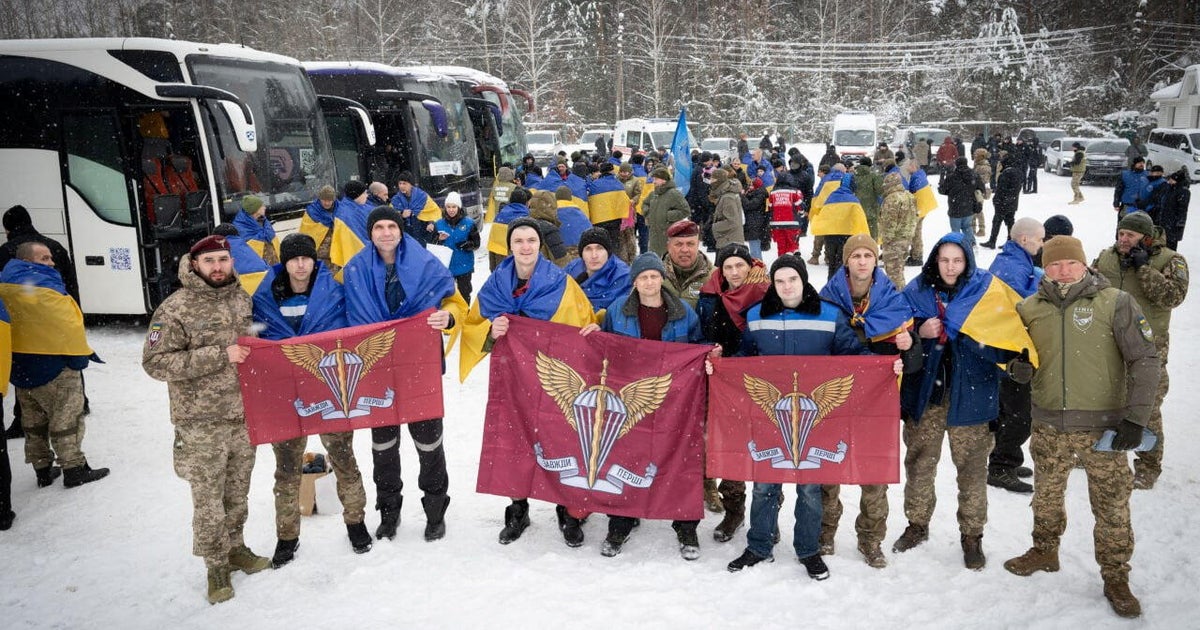
In a significant development that offers a glimmer of hope in the brutal conflict between Ukraine and Russia, the two warring nations completed a substantial prisoner exchange on Thursday, with each side releasing 157 captured soldiers. The swap, which was announced by U.S. special envoy Steve Witkoff, represents one of the most tangible outcomes of renewed diplomatic efforts to find common ground between the adversaries. The exchange took place in Belarus, Russia’s ally that shares borders with both nations, and was confirmed when Russia’s defense ministry released footage showing freed prisoners of war wrapped in Russian flags boarding buses. This development came during the second round of trilateral peace talks held in Abu Dhabi, where American mediators worked to facilitate dialogue between Ukrainian and Russian representatives in hopes of eventually ending the devastating war that has consumed the region.
Diplomatic Engagement Shows Tangible Results
Steve Witkoff, speaking on behalf of the United States, characterized the two-day negotiations in the United Arab Emirates capital as both “detailed and productive,” though he was careful to temper expectations by acknowledging that “significant work remains” before any comprehensive peace agreement can be reached. Nevertheless, the successful prisoner exchange demonstrates that sustained diplomatic engagement can deliver concrete, meaningful results even when broader political agreements remain elusive. The humanitarian gesture of returning 314 soldiers to their homes and families serves as evidence that despite deep divisions over territorial issues and the fundamental causes of the conflict, Russia and Ukraine can still find areas of cooperation when properly motivated and facilitated by neutral international mediators. This success in Abu Dhabi builds upon the first round of trilateral talks that took place at the end of January, suggesting that a framework for continued dialogue is taking shape, even if the path forward remains challenging and uncertain.
Ukrainian President Emphasizes Importance of Exchange
Ukrainian President Volodymyr Zelenskyy addressed reporters in Kyiv with evident satisfaction about the prisoner swap, noting that it “came after a long pause, and it is critical that we were able to make it happen.” His comments highlighted the human dimension of the conflict and the priority his government places on bringing captured Ukrainian soldiers home from Russian captivity. Zelenskyy was particularly emphatic in thanking Ukrainian military forces for their role in making such exchanges possible, acknowledging that the capture of Russian soldiers on the battlefield directly contributes to what he called Ukraine’s “exchange fund” – essentially the bargaining chips that make negotiated swaps feasible. In a social media post, the Ukrainian leader made it clear that without the determination and success of Ukrainian warriors on the battlefield, such humanitarian exchanges would be impossible to arrange, linking military performance directly to diplomatic outcomes in this particular arena.
Battlefield Success Enables Humanitarian Outcomes
President Zelenskyy’s comments reveal an uncomfortable truth about prisoner exchanges in wartime: they depend on both sides having captives to trade. His praise for Ukrainian soldiers who capture Russian troops underscores how military operations and humanitarian concerns remain intertwined throughout the conflict. “Without the determination of our warriors, such exchanges would be impossible. And thus every result achieved by our units is what also sustains the ability to bring Ukrainians home from Russia,” Zelenskyy stated, drawing a direct connection between battlefield victories and the ability to negotiate for the release of captured Ukrainians. The president pledged that Ukraine would “continue to work to release our people from captivity,” signaling that securing the return of prisoners of war remains a top priority for his government alongside broader war aims. This prisoner exchange also suggests that both sides recognize the value of these humanitarian gestures, both for morale purposes and as confidence-building measures that might eventually pave the way for more substantive negotiations on ending the conflict itself.
Complex Issues Reserved for Higher-Level Discussions
While the successful prisoner swap represents meaningful progress, Ukrainian foreign ministry spokesman Georgiy Tykhyi made clear that the trilateral talks are proceeding cautiously, with the most difficult and contentious issues deliberately set aside for future, higher-level discussions. Speaking to reporters as the latest round of talks began, Tykhyi explained that “the most sensitive and complex issues, such as territorial issues,” would be left for direct negotiations between the countries’ heads of state rather than being tackled by lower-level diplomatic teams. This approach suggests a pragmatic recognition that building momentum through smaller agreements on humanitarian issues might create a foundation for eventually addressing the fundamental questions that divide the two nations. The territorial disputes at the heart of the conflict – including Russia’s occupation of Crimea and parts of eastern Ukraine – remain too politically charged and strategically important to be resolved through preliminary negotiations, but the successful completion of prisoner exchanges demonstrates that diplomatic channels remain open and functional.
Breaking the Stalemate After Months of Deadlock
The February prisoner exchange takes on added significance given that the last such swap occurred on October 2, 2025 – a gap of more than four months during which progress on humanitarian exchanges appeared to have completely stalled. President Zelenskyy had expressed frustration in late January, telling reporters in Kyiv that Russia had “halted the process” of prisoner swaps and suggesting that Moscow didn’t see sufficient advantage in continuing them. “They are not particularly interested in exchanging people, because they do not feel that it gives them anything. They believe it benefits us,” he explained at the time, revealing the cold calculus that often governs such humanitarian decisions during wartime. The resumption of exchanges following the U.S.-mediated talks in Abu Dhabi suggests that American diplomatic pressure and the structure of trilateral negotiations may have shifted Russian thinking on this issue. Both Witkoff’s announcement of the swap and Zelenskyy’s commitment that the trilateral talks would continue “in the near future” indicate that despite the long and difficult road ahead, all parties see value in maintaining this diplomatic dialogue. The exchange of 314 prisoners, while representing only a fraction of those held captive on both sides, offers hope to countless families and demonstrates that even amid devastating conflict, humanity and diplomacy can occasionally prevail over the brutal logic of war.