

Venezuela Marks New Chapter with First LPG Export Under Interim Leadership
Historic Shipment Signals Potential Economic Shift
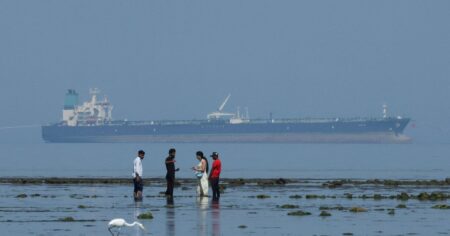
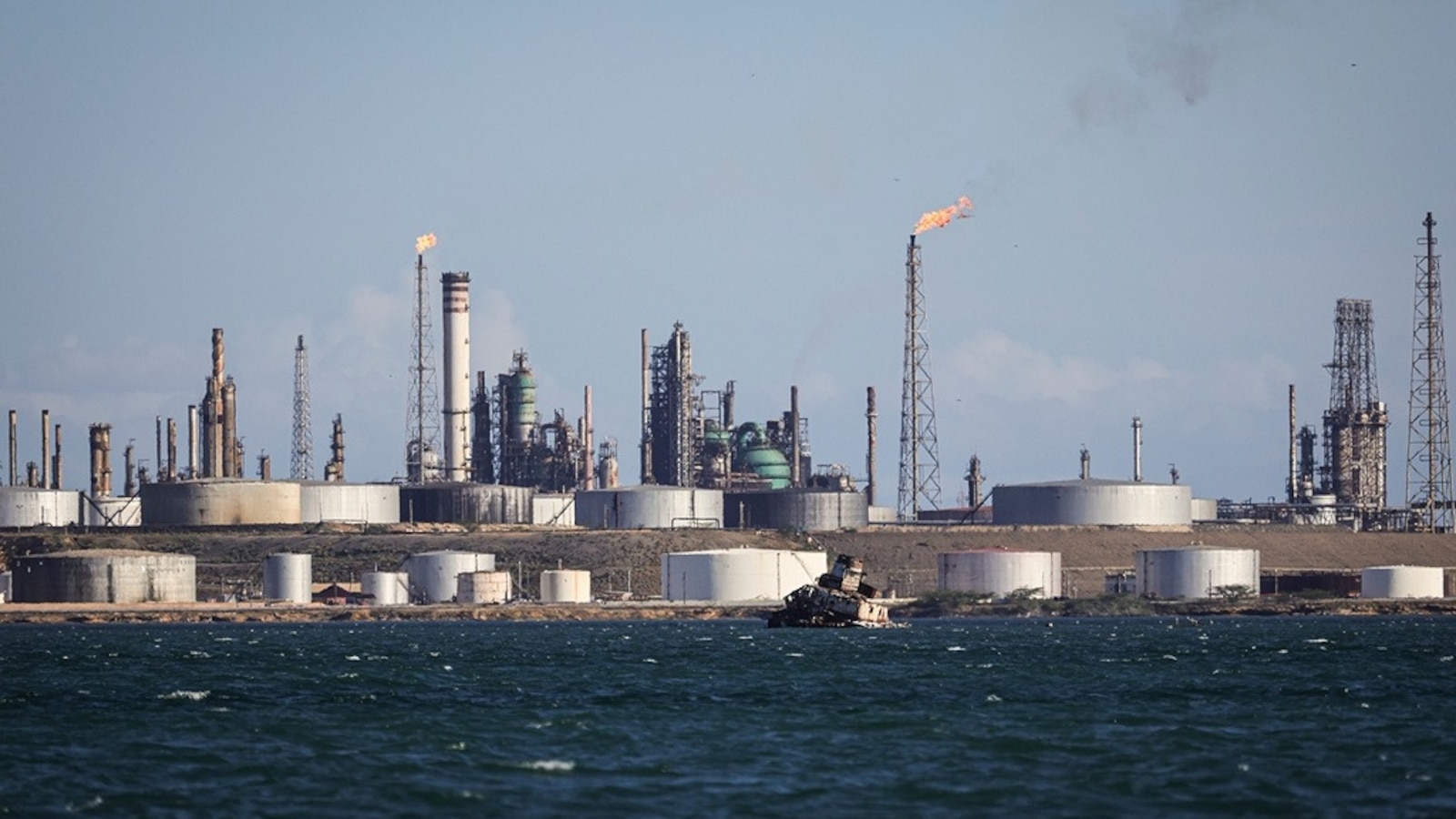
In a significant development for Venezuela’s troubled economy, interim President Delcy Rodriguez announced on Sunday that the nation has successfully exported its first-ever shipment of liquefied petroleum gas (LPG). The announcement, shared via her Telegram channel, represents what Rodriguez characterized as a “historic milestone” for the South American nation, which has struggled for years under crippling economic sanctions and political turmoil. The Singapore-flagged vessel Chrysopigi Lady departed from a port in northern Venezuela on the evening of February 1st, carrying what Rodriguez proudly described as “the country’s first molecule of gas” for export. According to maritime tracking data from marinetraffic.com, the vessel is scheduled to arrive in Providence, Rhode Island, marking a notable shift in Venezuela-U.S. relations. This export comes at a particularly sensitive time, occurring less than a month after a dramatic U.S. military operation that fundamentally altered Venezuela’s political landscape and set the stage for what could be a complete transformation of the country’s international standing.
The Tumultuous Path to Leadership
Delcy Rodriguez’s ascension to Venezuela’s highest office came under extraordinary circumstances that few could have predicted. As the former vice president under Nicolas Maduro, Rodriguez found herself thrust into the presidential role following a military operation ordered by President Donald Trump in early January. That operation resulted in Maduro’s capture and subsequent transfer to the United States, where he now faces federal charges. Rodriguez was sworn in as interim president shortly after Maduro’s detention, inheriting a nation in crisis and a political situation of unprecedented complexity. Her transition to power represents not just a change in leadership, but potentially a fundamental shift in Venezuela’s relationship with the international community, particularly the United States. However, this transition has not been without its challenges, as Rodriguez must navigate the delicate balance between asserting Venezuelan sovereignty and working cooperatively with the very government that militarily intervened in her country just weeks ago.
Walking a Diplomatic Tightrope
Since assuming office, Rodriguez has faced the monumental challenge of managing dual responsibilities that often seem to pull in opposite directions. Domestically, she must maintain order and legitimacy in a country that has experienced significant trauma, both from years of economic hardship and from the recent military intervention that claimed approximately 100 lives. Internationally, she must carefully calibrate her relationship with Washington, which now holds significant leverage over Venezuela’s future but also represents the power that forcibly removed her predecessor. This delicate balancing act has been evident in Rodriguez’s public statements, where she has struggled to find the appropriate tone to both satisfy American expectations and maintain Venezuelan dignity. Last week, during a ceremony recognizing her as Venezuela’s Commander-in-Chief in Caracas, Rodriguez attempted to strike this balance by acknowledging that Venezuela has “opened a space for political dialogue” while simultaneously warning that “those who seek to perpetuate harm and aggression against the people of Venezuela should stay in Washington.” These seemingly contradictory messages reflect the nearly impossible position in which she finds herself.
Honoring the Fallen While Moving Forward
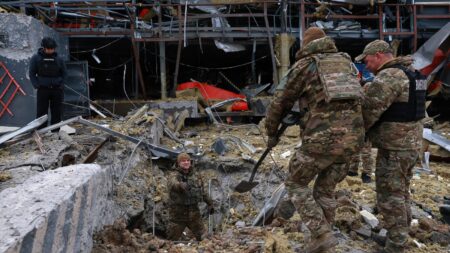
Perhaps the most delicate aspect of Rodriguez’s public messaging has been addressing the January 3rd military operation itself. During the same ceremony on January 28th, Rodriguez made a point of honoring those who died during the U.S. intervention, stating that “no one” in Venezuela surrendered and declaring “honor and glory to the heroes and heroines of January 3, 2026.” This statement serves multiple purposes: it acknowledges the sacrifice of those who died, it attempts to preserve national pride in the face of military defeat, and it signals to domestic audiences that she has not completely capitulated to American demands. According to Venezuela’s interior minister, Diosdado Cabello, approximately 100 people were killed during the operation, including 32 Cuban security officials whose deaths were confirmed by the Cuban government on January 4th. The presence of Cuban forces defending the Maduro government underscores the complex international dimensions of Venezuela’s political situation and the broader geopolitical implications of the January 3rd intervention. Rodriguez’s challenge is to honor these deaths while simultaneously building a working relationship with the government responsible for them.
Economic Implications and Future Prospects
The LPG export announcement represents more than just a commercial transaction; it symbolizes Venezuela’s potential reintegration into global energy markets from which it has been largely excluded due to U.S. sanctions. For years, Venezuela’s oil and gas sector has been crippled by a combination of mismanagement, underinvestment, and international restrictions that prevented the country from fully monetizing its vast natural resources. The fact that this first shipment is headed to the United States itself is particularly significant, suggesting that sanctions may be easing or that special arrangements have been made as part of the new political understanding between Caracas and Washington. Rodriguez’s description of this as “an achievement for the well-being of the people of Venezuela” reflects the desperate economic situation facing ordinary Venezuelans, millions of whom have fled the country in recent years due to hyperinflation, shortages of basic goods, and the collapse of public services. If this export represents the beginning of renewed international trade, it could provide the economic lifeline that Venezuela desperately needs. However, the success of this economic opening will likely depend on Rodriguez’s ability to maintain stable governance and continue cooperating with international partners, particularly the United States.
The Road Ahead for Venezuela’s Interim Government
The coming weeks and months will prove crucial for determining whether Rodriguez can successfully navigate Venezuela through this transitional period. She faces challenges on multiple fronts: maintaining domestic security and legitimacy, managing relationships with international partners who have varying interests in Venezuela’s future, and beginning the process of economic reconstruction in a country that has been devastated by years of crisis. The LPG export, while symbolically important, is just one small step in what will need to be a comprehensive effort to rebuild Venezuela’s economy and restore normal governance. Rodriguez must also contend with the fact that her position is explicitly “interim,” raising questions about when and how permanent leadership will be determined. Will there be elections? If so, when and under what conditions? These questions remain unanswered, creating uncertainty that could undermine stability. Additionally, Rodriguez must manage relationships with other international actors, including Cuba, Russia, and China, all of which had close ties to the Maduro government and may view the current situation with suspicion or hostility. Despite these immense challenges, the LPG export announcement suggests that Rodriguez is attempting to move forward pragmatically, focusing on concrete achievements that can improve conditions for ordinary Venezuelans while carefully managing the complex political dynamics she has inherited. Whether this approach will succeed remains to be seen, but it represents Venezuela’s best hope for emerging from years of crisis and isolation.