


Massive “No Kings” Protests Sweep America: A Historic Stand Against Presidential Overreach
A Movement Born from Resistance
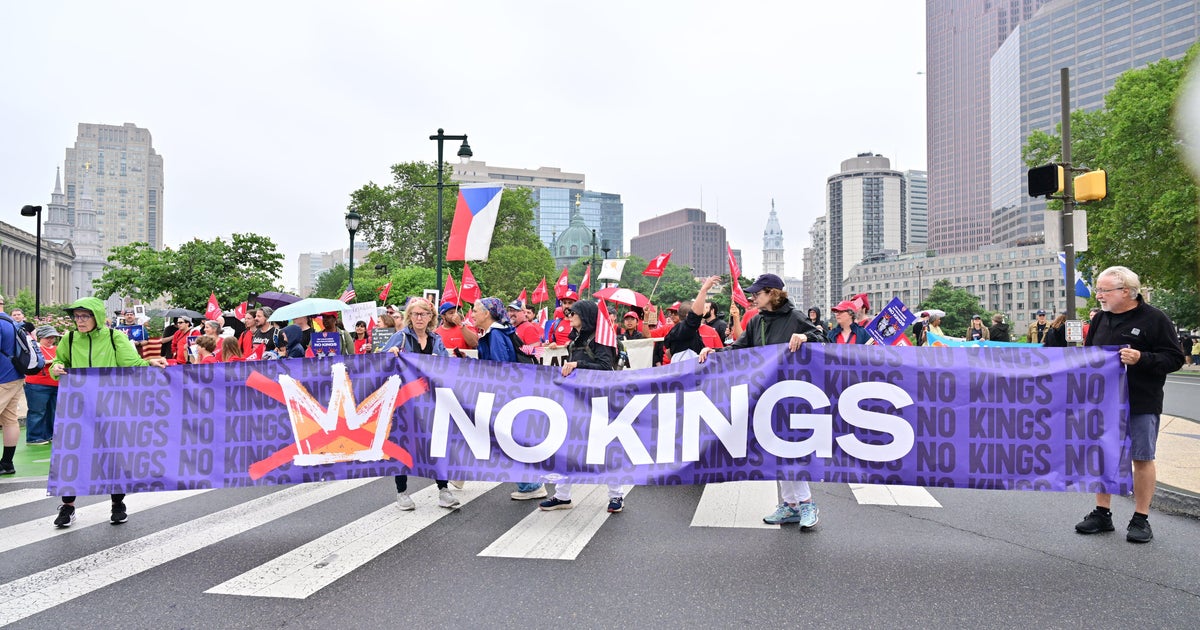
Across the United States and around the world, a groundswell of citizen activism is taking shape in what organizers predict could be one of the largest protest movements in American history. The “No Kings” rallies, scheduled for Saturday, represent a coordinated response to what millions perceive as presidential overreach and abuse of executive authority by President Donald Trump. With more than 3,100 registered events spanning all 50 states and an anticipated participation of over 9 million people, this movement reflects deep concerns that transcend traditional political boundaries. What started as scattered reactions to controversial administration policies has coalesced into a unified call for accountability and democratic preservation. The protests take their name from America’s founding rejection of monarchical rule, invoking the revolutionary spirit that established the nation’s system of checks and balances. Organizers emphasize that this isn’t merely partisan opposition but a fundamental defense of constitutional principles that limit executive power.
From Paris to St. Paul: A Global Movement Takes Shape
The protests kicked off Saturday morning in Paris, where several hundred demonstrators—primarily American expatriates joined by French labor unions and human rights organizations—gathered at the historic Bastille square. The symbolism was intentional: Bastille, site of the 1789 uprising against royal tyranny, provided the perfect backdrop for a modern stand against what protesters view as authoritarian tendencies. Participants carried signs reading “War for profit, our troops are not for sale” and “When injustice becomes law, resistance becomes duty,” articulating concerns about military deployments and executive decision-making. Ada Shen, the Paris rally organizer, captured the sentiment driving protesters worldwide: “I protest all of Trump’s illegal, immoral, reckless, and feckless, endless wars. It is clear he doesn’t really have a plan. It is clearly that the abuse of power is the point. It is very clear that he is a strong man who is abusing the authority vested in him by the American people as our elected president.” Her words reflect a broader anxiety that presidential power, meant to be constrained by constitutional limits, has expanded beyond recognition.
Minnesota Takes Center Stage in National Resistance
The national spotlight focuses on St. Paul, Minnesota, where the rally at the state Capitol has been designated the flagship event for the entire movement. This recognition stems from Minnesota’s transformation into an epicenter of resistance following a tragic incident that galvanized opposition nationwide. Federal agents fatally shot two individuals—Renee Good and Alex Pretti—who were monitoring the administration’s immigration enforcement activities, sparking winter protests that brought thousands of Minnesotans into the streets despite harsh weather. The profound impact of these deaths resonated beyond state borders, symbolizing what critics view as the dangerous consequences of unchecked executive authority. The St. Paul event promises star-studded support, headlined by Bruce Springsteen, who will perform “Streets of Minneapolis,” a song he wrote specifically in response to the shootings and as tribute to Minnesota’s protest movement. Springsteen’s Land of Hope & Dreams American Tour, themed around “No Kings” principles, launches Tuesday in Minneapolis, extending the cultural resonance of this political moment. Joining him will be folk legend Joan Baez, actress and longtime activist Jane Fonda, and singer Maggie Rogers, alongside Minnesota political leaders including Lt. Gov. Peggy Flanagan, Attorney General Keith Ellison, and St. Paul Mayor Kaohly Her. St. Paul police are preparing for more than 150,000 demonstrators—exceeding the turnout from the historic 2017 Women’s March—and have planned extensive street closures throughout the downtown area to accommodate the massive crowd safely.
Nationwide Mobilization Across Urban and Rural America
Beyond Minnesota, major demonstrations are planned in cities throughout the country, each expected to draw substantial crowds unified by shared concerns about democratic governance. Philadelphia organizers anticipate large turnout requiring significant roadway closures, while in Chicago, Indivisible Chicago and the ACLU of Illinois are coordinating a rally expected to attract tens of thousands. Texas cities, Detroit, and at least 40 locations throughout Southeast Michigan will host events, creating a nationwide tapestry of dissent. What makes this protest wave particularly significant, according to national organizers, is its geographic and demographic breadth. “This administration’s actions are angering not just Democratic voters or folks in big blue city centers—they are crossing a line for people in red and rural areas, in the suburbs, all over the country,” explained Leah Greenberg, co-executive director of Indivisible. The data supports this claim: two-thirds of RSVPs have come from outside major urban centers, with registration surges in traditionally conservative states like Idaho, Wyoming, Montana, Utah, South Dakota, and Louisiana, as well as competitive suburban areas in Pennsylvania, Georgia, and Arizona. This pattern suggests the protests reflect concerns that transcend partisan identity, touching on fundamental American values about limited government and individual rights.
International Solidarity and Alternative Participation
The movement extends beyond American borders, with rallies planned in more than a dozen countries spanning Europe, Latin America, and Australia. In nations with constitutional monarchies, organizers have adapted the messaging, calling their protests “No Tyrants” while maintaining solidarity with the core principles driving American demonstrations. This international dimension reflects both the global nature of democratic concerns and the particular interest foreign observers have in American political developments. For those unable to attend physical gatherings due to health, mobility, geographic, or other constraints, Stand Up For Science is hosting a “virtual and accessible” online event, ensuring that participation barriers don’t prevent people from adding their voices to this democratic chorus. This inclusive approach recognizes that meaningful protest in the digital age requires accommodation for diverse circumstances while maintaining the movement’s collective power.
Competing Narratives and Historical Context
The White House has dismissed the nationwide protests with pointed rhetoric, characterizing them as artificial manifestations of “leftist funding networks” with minimal genuine public support. White House spokesperson Abigail Jackson offered a dismissive assessment: “The only people who care about these Trump Derangement Therapy Sessions are the reporters who are paid to cover them.” This response exemplifies the deep divide in how Americans perceive current political dynamics—one side sees constitutional crisis and democratic emergency, while the other sees partisan hysteria and coordinated opposition. National organizers counter that Saturday’s protests are expected to exceed the previous two rounds of “No Kings” rallies, which they estimate drew more than 5 million people in June and more than 7 million in October, suggesting a movement with growing rather than diminishing energy. Katie Bethell, executive director of MoveOn, articulated the stakes as protesters see them: “Millions of us are rising up from all walks of life, from rural communities to big cities at No Kings. And as we do so, we will send the loudest, clearest message yet that this country does not belong to kings, dictators, tyrants. It belongs to us.” This framing invokes America’s foundational rejection of hereditary power and concentrated authority, positioning the protests within a long tradition of democratic resistance. Whether Saturday’s demonstrations achieve their organizers’ ambitious predictions or fall short, they represent a significant moment in ongoing debates about presidential power, democratic norms, and citizen engagement—questions that have animated American politics since the nation’s founding and remain as urgent today as ever.