


Search Underway for Missing Humanitarian Aid Vessels Bound for Cuba
Two Boats Disappear En Route to Havana
The Mexican navy announced Thursday that it has launched a comprehensive search operation for two vessels carrying humanitarian aid to Cuba that have gone missing in Caribbean waters. The boats, which departed from Isla Mujeres on Mexico’s picturesque Quintana Roo coast on March 20, were expected to reach Havana sometime between Tuesday and Wednesday of this week. However, according to the navy’s official statement, there has been no communication from the vessels, and Cuban authorities have not confirmed their arrival at the intended destination. The disappearance has prompted Mexican naval commanders throughout the region to coordinate with search and rescue stations, launching what appears to be an extensive operation across Caribbean waters. The incident comes during a particularly sensitive time, as Cuba faces mounting humanitarian challenges amid international political tensions and supply shortages.
Experienced Crews and Well-Equipped Vessels
The missing boats are part of a broader humanitarian initiative organized by Nuestra America Convoy, a global coalition dedicated to providing aid to Cuba during its current crisis. A spokesperson for the organization reached out to CBS News on Thursday evening to provide reassurance about the situation while expressing cautious optimism. According to the statement, both vessels are manned by experienced sailors who are well-versed in navigating Caribbean waters, and each boat is equipped with modern safety systems and appropriate signaling equipment designed for maritime emergencies. The organization emphasized its full cooperation with Mexican authorities and other agencies involved in the search efforts. Significantly, the convoy spokesperson noted that neither vessel has transmitted a distress signal, which could suggest various scenarios – from communication equipment failure to the boats being in areas with poor signal reception. The organization has joined the Mexican Navy in appealing to anyone in the region who might have information or sightings of the vessels to come forward immediately.
International Effort Mobilizes Across Multiple Countries
The search for the missing humanitarian vessels has quickly evolved into an international operation, reflecting both the multinational composition of the crews and the geopolitical significance of the aid mission. While Mexican naval authorities have not publicly disclosed the specific identities or complete nationalities of the crew members aboard the missing boats, the scope of their coordination efforts reveals the international nature of this crisis. The Mexican navy has established direct communication channels with rescue and maritime agencies in Poland, France, Cuba, and the United States, indicating that crew members from at least these nations may be among those missing. Furthermore, Mexican officials are maintaining ongoing contact with diplomatic missions representing the crew members’ countries of origin, ensuring real-time information exchange and coordinated response efforts. The navy has deployed aircraft to conduct aerial searches along the entire route between Isla Mujeres and Havana, covering hundreds of miles of open water. Additionally, authorities have issued appeals to all seafarers and maritime organizations operating in the Caribbean Sea and Gulf of Mexico, asking them to report any information or sightings to the nearest naval authority, effectively turning the region’s maritime community into a network of potential spotters.
Context: Cuba’s Humanitarian Crisis and Aid Missions
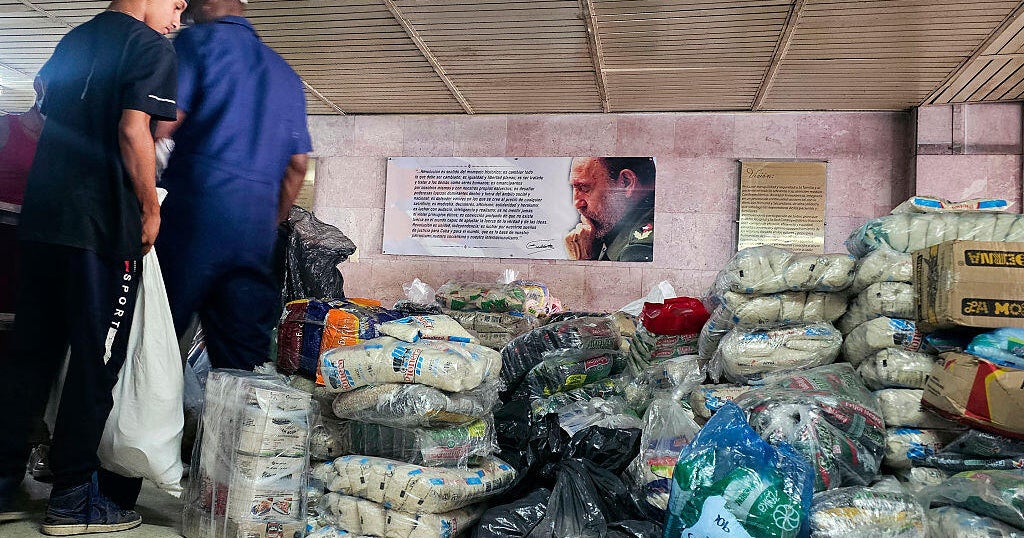
The disappearance of these vessels occurs against the backdrop of a larger humanitarian effort to support Cuba, which is currently experiencing what many describe as a severe humanitarian crisis. Since last week, activists and humanitarian workers from multiple countries have been departing from various Mexican ports aboard vessels loaded with essential supplies, including food, medicine, and other critical items destined for the Communist-led island nation. These aid missions have become increasingly important as Cuba struggles with severe shortages affecting its population’s basic needs. The crisis has been significantly exacerbated by a U.S.-imposed fuel embargo that has left the island nation scrambling for energy resources. The Nuestra America Convoy represents a grassroots international response to these challenges, with volunteers and activists organizing supply runs despite the risks inherent in maritime travel and the complicated political landscape surrounding U.S.-Cuba relations. Previous shipments from the convoy have successfully reached their destination, with aid being distributed to critical facilities such as the William Soler Pediatric Cardiocenter in Havana, where supplies are desperately needed for vulnerable populations, particularly children requiring medical care.
Political Dimensions and the Oil Blockade
The humanitarian situation that prompted these aid missions is directly connected to recent political developments in the region. President Trump implemented what amounts to a de facto oil blockade on Cuba in January 2025, a decision that came in the aftermath of the U.S.-backed ouster of Venezuelan leader Nicolas Maduro. This political shift had immediate and severe consequences for Cuba, as Venezuela under Maduro’s government had been the island’s principal source of fuel supplies for years. The sudden loss of this lifeline has created cascading effects throughout Cuban society, impacting everything from transportation and electricity generation to agricultural production and healthcare services. The fuel shortage has compounded Cuba’s existing economic challenges, which stem from decades of U.S. sanctions, the country’s centrally planned economic system, and the lingering impacts of the COVID-19 pandemic on its crucial tourism industry. The humanitarian aid convoys, including the now-missing vessels, represent an attempt by international activists and solidarity movements to circumvent official channels and directly address the suffering of ordinary Cuban citizens caught in the middle of geopolitical maneuvering. These grassroots initiatives have become a symbol of international humanitarian cooperation, even as they operate in the complex space between multiple nations’ foreign policies and maritime regulations.
Ongoing Search Efforts and Community Response
As the search continues, the maritime community throughout the Caribbean region has been placed on high alert, with commercial vessels, fishing boats, and recreational sailors all asked to keep watch for any signs of the missing humanitarian boats. The Mexican navy’s use of aircraft provides crucial aerial surveillance capability, allowing search teams to cover vast expanses of ocean more quickly than surface vessels alone could manage. Weather conditions, ocean currents, and the vessels’ last known positions are all being analyzed to narrow the search area and maximize the chances of locating the boats and their crews. The families of crew members, along with members of the international solidarity movement supporting Cuba, are anxiously awaiting news while holding onto hope that the experienced sailors aboard will be found safe. The incident has also sparked broader conversations about the risks faced by humanitarian workers and activists who undertake these supply missions, often in small vessels crossing significant stretches of open ocean. Maritime safety experts note that while the Caribbean is generally navigable, unexpected weather, mechanical failures, or navigation errors can quickly turn routine voyages dangerous. As search efforts continue, the international community watches closely, hoping for a positive resolution to this troubling disappearance while the larger humanitarian mission to support Cuba’s struggling population continues from other ports and through other channels.