


U.S. Military Strikes Drug Boat in Pacific, Adding to Growing Death Toll
Latest Attack Leaves Two Dead in Ongoing Counter-Narcotics Campaign
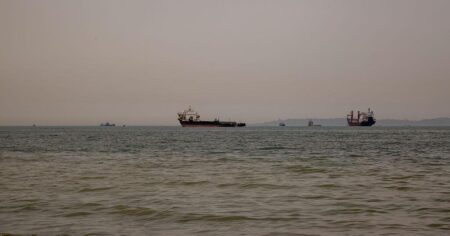
The United States Southern Command (SOUTHCOM) made public on Monday that American military forces had carried out another deadly airstrike targeting what officials identified as a drug smuggling vessel operating in the Eastern Pacific Ocean. The strike resulted in the deaths of two individuals who were aboard the boat at the time of the attack, while one person managed to survive the assault. According to the military command’s official statement, which was shared on the social media platform X (formerly known as Twitter), SOUTHCOM immediately took steps to assist the survivor by contacting the U.S. Coast Guard to activate their Search and Rescue operations. The announcement included video footage showing the actual moment of the strike, providing visual documentation of the military operation. This transparent approach to communicating military actions represents the command’s effort to keep the public informed about their counter-narcotics operations in the region.
Justification and Authorization Behind the Strike
The military operation was carried out under the direct authorization of General Francis L. Donovan, who serves as the commander of SOUTHCOM. In their official statement, the command provided specific reasoning for why this particular vessel was targeted for destruction. According to military intelligence assessments, the boat in question was traveling along well-established and documented narco-trafficking routes that are commonly used by drug smuggling operations throughout the Eastern Pacific region. Furthermore, intelligence analysis had confirmed that the vessel was actively engaged in narco-trafficking activities at the time it was struck. This intelligence gathering and verification process is crucial to the military’s targeting procedures, as it helps ensure that strikes are directed at legitimate threats rather than innocent civilian vessels that might be traveling through the same waters for legal purposes. The decision to launch such strikes involves careful consideration of available intelligence, threat assessment, and adherence to rules of engagement that govern military operations in international waters.
Part of an Extensive Counter-Drug Campaign
What makes this particular strike especially significant is that it represents just one operation within a much larger and sustained military campaign against drug trafficking in the Pacific region. Monday’s airstrike marked the 38th such operation conducted by U.S. forces since September 2nd of the previous year. This remarkably high number of strikes over a relatively condensed time period demonstrates the intensity and scope of American military efforts to disrupt drug smuggling networks that operate in these waters. The sustained pace of these operations suggests a coordinated and ongoing strategy rather than sporadic, reactive measures. The Eastern Pacific has long been a critical corridor for drug traffickers attempting to move illegal narcotics, particularly cocaine, from South American production areas toward consumer markets in Central America, Mexico, and ultimately the United States. By maintaining such an aggressive operational tempo, SOUTHCOM appears to be attempting to significantly degrade the ability of trafficking organizations to move their products through maritime routes.
The Human Cost of the Counter-Drug War
The cumulative human toll of these military operations has been substantial and raises important questions about the broader implications of this aggressive interdiction strategy. With the two deaths from Monday’s strike, the total number of people killed in these 38 airstrikes has reached 130 individuals. This means that on average, each strike has resulted in approximately 3.4 deaths, though the actual distribution likely varies considerably from one incident to another, with some strikes proving far more lethal than others. These casualties represent individuals who, while allegedly engaged in illegal drug trafficking activities, were nonetheless killed without trial or due process—a reality that reflects the complexities and moral ambiguities inherent in military approaches to counter-narcotics operations. While drug trafficking undeniably causes tremendous harm to communities throughout the Americas and beyond, the use of lethal military force against suspected traffickers operating in international waters exists in a gray area between law enforcement and warfare. The individuals killed in these strikes might have included low-level operatives, coerced participants, or even people who were simply in the wrong place at the wrong time.
Strategic Effectiveness and Policy Questions
The escalation in airstrikes against suspected drug vessels reflects a broader shift in U.S. counter-narcotics policy toward more aggressive military intervention. This approach raises important questions about effectiveness, proportionality, and long-term strategy in addressing the drug trade. While destroying boats and interdicting shipments can disrupt specific trafficking operations and potentially increase the costs and risks for smuggling organizations, history has shown that drug trafficking networks are remarkably resilient and adaptive. When one route becomes too dangerous or costly, traffickers typically shift to alternative methods, routes, or transportation modes. The fundamental economic reality remains that as long as there is substantial demand for illegal drugs in consumer markets and profitable opportunities for those willing to supply them, the trade will continue in some form. Critics of militarized approaches to drug policy argue that these resources might be better directed toward demand reduction, treatment programs, economic development in source countries, and addressing the root causes that drive people into the drug trade in the first place.
Broader Context and Future Implications
The ongoing campaign of airstrikes in the Eastern Pacific represents just one component of America’s multifaceted approach to combating drug trafficking, but it’s an increasingly prominent and controversial one. The willingness to use lethal military force against suspected drug vessels marks a significant escalation from traditional Coast Guard interdiction methods, which typically involve stopping vessels, seizing contraband, and arresting suspects for prosecution. The shift toward immediate destruction of vessels through airstrikes eliminates the possibility of gathering intelligence from captured smugglers, recovering evidence for prosecution of higher-level cartel members, or providing those involved with any opportunity for surrender or judicial process. As this campaign continues and the death toll rises, it will likely face increasing scrutiny from human rights organizations, international partners, and policymakers who question whether the tactical gains justify the human costs and whether this approach represents the most effective use of military resources in addressing the complex challenge of drug trafficking. The survivor from Monday’s strike, once rescued, may provide valuable intelligence about trafficking operations, but they will also carry testimony about the lethal reach of American counter-drug efforts in international waters—a message that SOUTHCOM clearly intends to send to anyone considering involvement in maritime drug smuggling operations.