

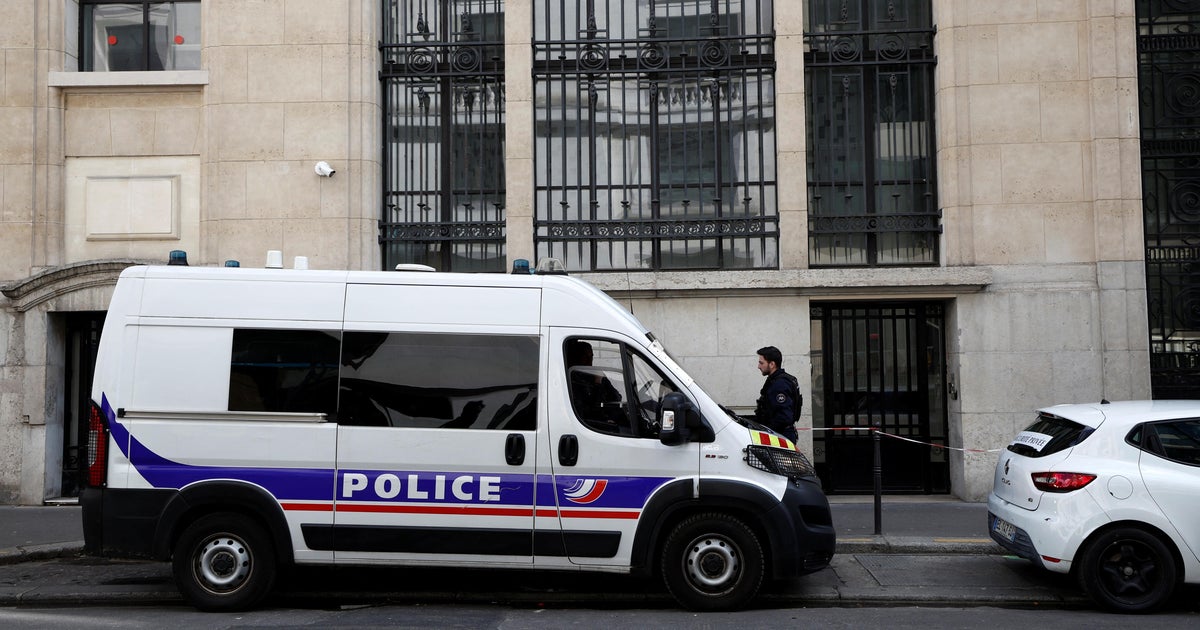

Foiled Terror Plot at Bank of America in Paris: Four Suspects Now in Custody
Early Morning Attempt Near Iconic Parisian Landmark
In the heart of one of the world’s most beloved cities, a potentially devastating act of terrorism was narrowly avoided in the early hours of Saturday morning. French authorities have arrested four individuals in connection with an attempt to plant a homemade explosive device outside the Paris headquarters of Bank of America, located in one of the capital’s most prestigious and heavily trafficked areas. The incident occurred around 3:30 a.m. near the famous Champs-Élysées, a boulevard synonymous with Parisian elegance and a magnet for millions of tourists each year. What makes this case particularly disturbing is not just the brazen nature of the attempted attack, but the circumstances surrounding how the alleged perpetrator was recruited and the nominal sum for which he was apparently willing to carry out such a dangerous act. The French domestic security service announced the arrests on Sunday, revealing that two additional suspects were taken into custody on Saturday night, following the initial arrest of the person caught attempting to place the device and the subsequent identification of other individuals believed to be involved in the plot.
The Recruitment: Social Media and Desperation
Perhaps the most chilling aspect of this thwarted attack is the method by which the main suspect was allegedly recruited. According to police sources, the arrested individual claimed he had been approached and hired through Snapchat, the popular social media platform typically associated with casual communication among friends and family. The suspect stated that he had agreed to carry out the bombing in exchange for approximately $692—a shockingly small amount of money that speaks volumes about the vulnerability of certain individuals to exploitation by those with malicious intent. The suspect, who claims to be a minor from Senegal, represents a troubling trend of young people, often immigrants or individuals in precarious situations, being targeted for recruitment by criminal or terrorist organizations. These vulnerable individuals, sometimes desperate for money or lacking strong social support systems, can become unwitting pawns in larger schemes orchestrated by more sophisticated actors who remain safely in the shadows. French officials are currently working to verify the suspect’s identity and age, as these details will be crucial in determining how the case proceeds through the justice system and what protections or considerations may apply if he is indeed a minor.
The Scene and Swift Police Response
The attempted bombing was foiled thanks to vigilant police work and perhaps some element of good fortune. When officers arrived at the Bank of America headquarters near the Champs-Élysées in the pre-dawn hours, they found the suspect in the act of attempting to place the homemade explosive device. What made the scene even more suspicious was the presence of a second individual who appeared to be documenting the attempt by taking photos and video with a cell phone. This second person’s role in the plot remains unclear—they may have been creating evidence for those who organized the attack, gathering material for propaganda purposes, or simply documenting the event for verification before payment was made. When police arrived on the scene, this second individual immediately fled, suggesting a level of awareness about the illegality of the activity and a desire to avoid capture. The location of the attempted attack is significant not just because of the symbolic value of targeting an American financial institution, but also because of the area’s importance to Paris’s economy and international image. The Champs-Élysées and surrounding streets welcome countless visitors every day, and any successful attack in this area could have had devastating consequences not just in terms of potential casualties, but also in terms of the psychological impact on both residents and the tourism industry that is vital to Paris’s economy.
Expanding Investigation and Additional Arrests
Following the initial arrest at the scene and the identification of the fleeing accomplice, French authorities moved quickly to expand their investigation. By Saturday night, two additional arrests had been made, bringing the total number of suspects in custody to four when combined with the initial suspect and presumably the person who fled but was later apprehended. Authorities have not yet disclosed the identities of these two additional suspects or specified what roles they may have played in the attempted bombing. Were they the masterminds who recruited the young man allegedly hired through Snapchat? Were they technical experts who constructed the explosive device? Or were they intermediaries who facilitated the connection between the would-be bomber and the ultimate organizers of the plot? These questions remain unanswered as the investigation continues, but the swift action to identify and arrest these individuals suggests that authorities had good intelligence or were able to quickly extract information from the initial suspect. The speed of these additional arrests is encouraging, as it indicates that police may be working to dismantle not just this particular plot but potentially a larger network of individuals involved in planning or facilitating terrorist activities in France.
Serious Charges and Legal Proceedings
The gravity of the situation is reflected in the extensive list of charges being pursued by France’s National Anti-Terrorist Prosecutor’s Office, which announced on Saturday that it had opened a comprehensive investigation. The charges include attempted arson or dangerous damage in connection with a terrorist enterprise, manufacture of an incendiary or explosive device in connection with a terrorist enterprise, possession and transport of an incendiary or explosive device with the intent to prepare dangerous damage in connection with a terrorist enterprise, and terrorist conspiracy. This array of charges demonstrates that French authorities are treating this incident with the utmost seriousness and are leaving no legal avenue unexplored in their effort to hold all responsible parties accountable. The involvement of the Anti-Terrorist Prosecutor’s Office, along with both the Paris police and France’s domestic intelligence service, signals a multi-agency approach that brings together various areas of expertise and resources. This coordinated effort is essential when dealing with cases that may have international dimensions or connections to larger terrorist networks. The legal proceedings that will follow will be crucial not just for determining the fate of these four suspects, but also for potentially uncovering additional information about how such plots are organized, how vulnerable individuals are recruited, and what measures can be taken to prevent similar incidents in the future.
Broader Implications and Ongoing Threats
This thwarted attack serves as a stark reminder that the threat of terrorism remains very real in Europe, and particularly in France, which has experienced several devastating attacks over the past decade. While authorities successfully prevented this particular incident from causing harm, the fact that someone was willing and able to attempt such an attack raises important questions about security, social integration, and the exploitation of vulnerable populations. The use of social media platforms like Snapchat for recruitment is especially concerning, as it demonstrates how terrorist actors are adapting their methods to exploit modern communication technologies and target individuals who may not be reached through traditional recruitment methods. The small sum allegedly offered to the suspect—less than $700—is particularly troubling because it suggests that there may be many individuals in similarly desperate circumstances who could be exploited in the same way. This incident should prompt serious reflection about the social conditions that create such vulnerability and what can be done to provide better support systems and opportunities for young people, particularly immigrants and refugees, who may be struggling to find their place in European society. At the same time, it highlights the ongoing need for robust security measures, effective intelligence gathering, and international cooperation in combating terrorism. As the investigation continues and more details emerge about this plot and those behind it, French authorities will undoubtedly be working to identify any weaknesses in current security protocols and to develop strategies for preventing similar attempts in the future, while the public is reminded once again that vigilance and community awareness remain essential components of collective security in an age of evolving terrorist threats.